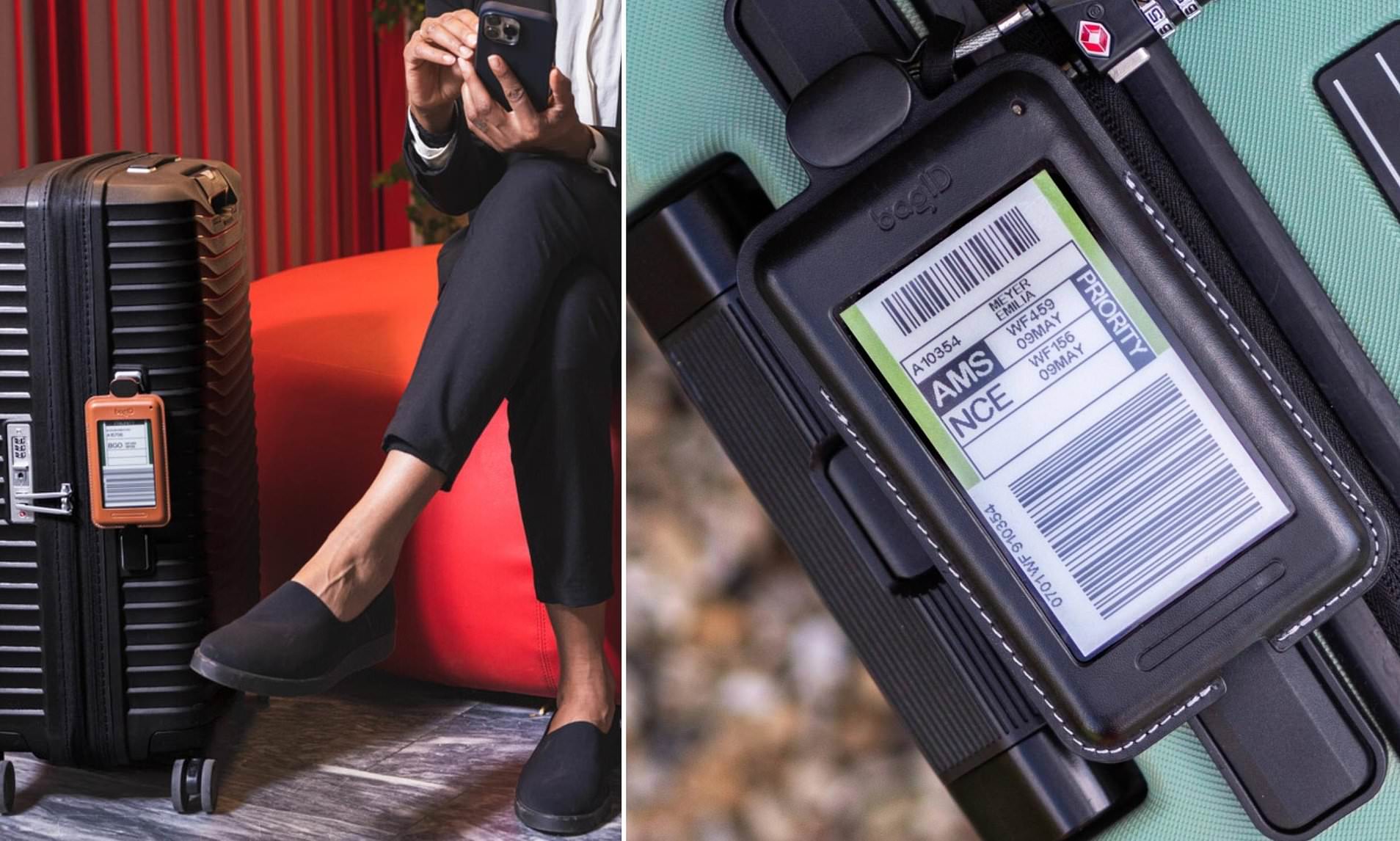
Revolutionising Air Travel: Electronic Bag Tags Eliminate Airport Queues
The days of enduring lengthy airport queues to check in luggage might soon be a distant memory, thanks to a groundbreaking new technology: the electronic bag tag. This innovative system empowers travellers to check in their suitcases entirely from the comfort of their homes, streamlining the entire airport experience.
Already adopted by approximately 20 prominent airlines, including global giants like Lufthansa, Qatar Airways, and KLM, this smart tag offers a dual benefit. Not only does it facilitate pre-flight check-in, but it also provides real-time tracking of your luggage’s location via Bluetooth.
How the Electronic Bag Tag Works:
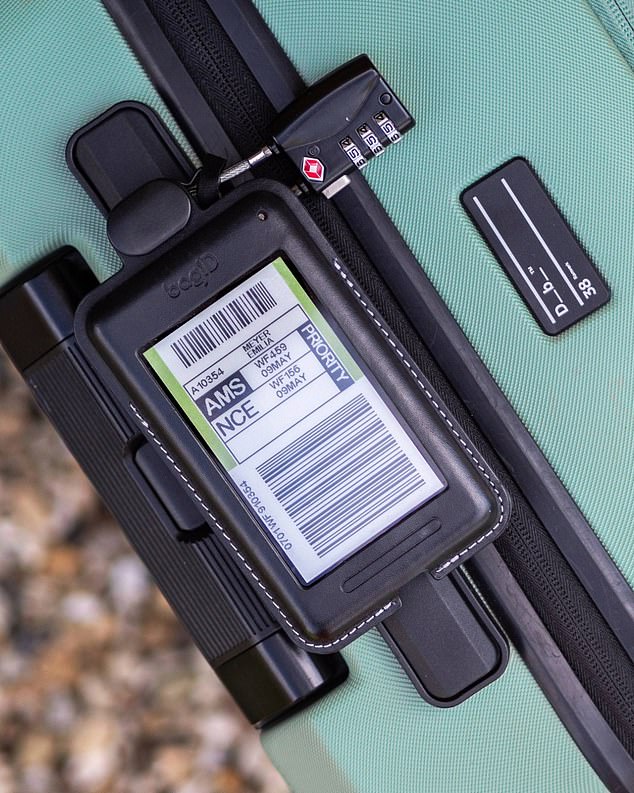
The process is designed for ultimate convenience. Before heading to the airport, passengers simply answer a few questions via a dedicated app. Upon completion, a unique electronic barcode is generated and displayed on the tag attached to the bag.

Once at the airport, the traveller places their tagged bag on a designated weighing machine. With the bag officially checked in and its digital tag verified, passengers are free to proceed directly to security and then to their departure gate, bypassing the traditional check-in counters altogether.
For an even more seamless journey, some forward-thinking airlines are extending this service by offering to collect bags with these smart tags directly from passengers’ homes. This truly transforms the pre-flight routine, allowing travellers to reclaim valuable time.
The Technology Behind the Convenience:
While some high-end suitcases are now integrating this technology as a built-in feature, standalone electronic bag tags are also readily available. Currently, these gadgets range in price from approximately £50 to nearly £180. However, leading manufacturers such as BagID and Bagtag are optimistic that prices are on a downward trajectory, making this technology more accessible to a wider audience.
Andrew Price, the former head of global baggage operations for the International Air Transport Association, lauded the system, stating, “The technology is great. I love it when I can use it, because it does save you time at the airport.”
Jasper Quak, managing director of Bagtag, highlighted the limitations of current check-in methods. He pointed out that despite the advent of online and mobile check-ins, the physical act of checking in a suitcase has “relied on a piece of paper” and has seen little fundamental change since its inception in the late 1980s.
Enhancing Baggage Security and Efficiency:
The implications of this technology extend beyond passenger convenience. BagID, a company founded by an individual who experienced the distress of lost luggage, has recently partnered with Aena, the world’s largest airport operator. This collaboration is piloting a sophisticated real-time tracking system across major Spanish airports, including Madrid, Barcelona, and Majorca.
Ina Eldoy, CEO of BagID, elaborated on the system’s capabilities during the Mobile World Congress in Barcelona. She explained how the system can proactively alert airport staff if a passenger’s bag is mistakenly routed to the wrong terminal, especially when their flight is scheduled for imminent departure from another.
“Then they know, ‘I have to rush this bag’,” Eldoy stated, or alternatively, “I have to send a message to the traveller that it didn’t make the transport, but it’s going to be on the next flight.” This proactive approach promises to significantly reduce instances of baggage mishandling.
The financial impact of lost or mishandled baggage is substantial. According to SITA, the international air transport communications society, the aviation industry incurred nearly £4 billion in costs related to baggage issues in 2024 alone. Technologies like the electronic bag tag hold the potential to dramatically mitigate these losses, benefiting both airlines and passengers.
The widespread adoption of electronic bag tags signifies a major leap forward in air travel, promising a future where the stress of checking in luggage is replaced by a swift, digital, and efficient process.