Bannon Sounds Alarm: MAGA Enthusiasm Waning Ahead of Crucial Midterms
Steve Bannon, a prominent ally of former President Donald Trump, has issued a stern and urgent warning: the vital enthusiasm within the MAGA base is reportedly dwindling, potentially jeopardising the Republican Party’s prospects in the upcoming 2026 midterm elections. Bannon, a former White House strategist, is calling for immediate action, asserting that the current trajectory is unsustainable and could lead to significant electoral setbacks.
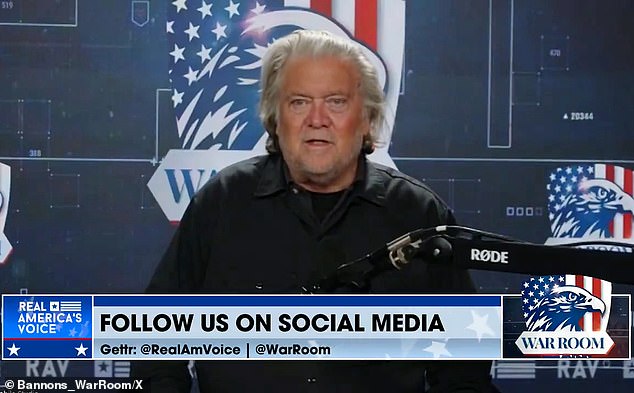
During a recent broadcast of his “War Room” podcast, Bannon directed sharp criticism at Republican leadership, accusing them of failing to galvanise their core supporters. He attributed this lack of energy to internal political squabbles and a perceived misdirection of priorities concerning both domestic and international affairs. “Step up and do something,” Bannon urged, articulating the sentiment he believes is prevalent among the base. “You have a massive lack of enthusiasm among the base because they’re sitting there going, ‘I’m just not feeling it right now.’”
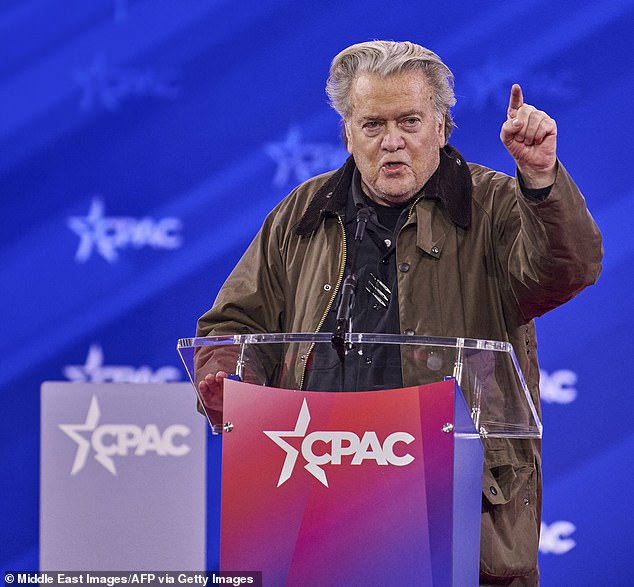
This stark assessment highlights a growing apprehension within Trump’s political circle. The populist movement that was instrumental in propelling Trump to the presidency and remains a cornerstone of Republican electoral strategy, appears to be losing steam at a critical juncture. With control of Congress at stake in the midterms, a decline in base enthusiasm could prove to be a significant impediment.
Bannon specifically targeted congressional Republicans, lamenting what he described as a deficiency in resolve. He accused them of showing a lack of backbone during negotiations concerning funding for the Department of Homeland Security, opting to retreat rather than engage in a direct confrontation with Democrats.
Polling Data Indicates Shifting Tides
Bannon’s pronouncements coincide with recent polling data that suggests the Republican Party might face an uphill battle in the November midterms. A survey conducted by Big Data Poll, helmed by conservative pollster Rich Baris, indicates that Democrats currently hold an advantage on the generic congressional ballot.
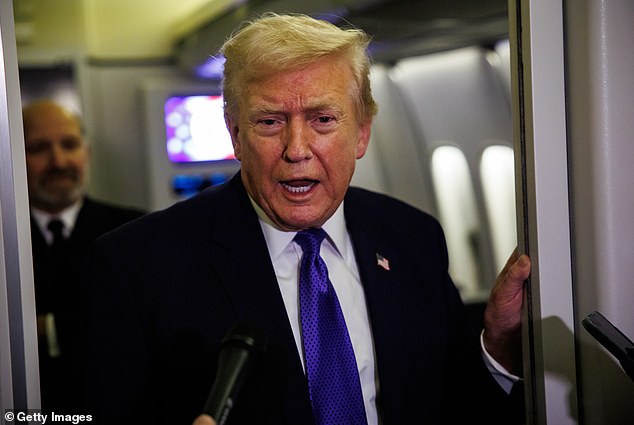
The poll’s findings reveal that, when considering the initial generic ballot without accounting for voter leanings, 46.1 percent of likely voters indicated they would cast their ballot for a Democratic candidate, compared to 42.0 percent for a Republican candidate.
Furthermore, the same polling data points to a concerning enthusiasm gap between the two major parties, a factor that could prove decisive in the upcoming elections. The findings showed that Democrats have widened their lead among voters who express “Extremely Enthusiastic” about voting, securing 53.6 percent of this highly engaged demographic, versus 41.8 percent for Republicans.
Rich Baris himself issued a cautionary note, warning that Republicans cannot afford to be complacent if they harbour aspirations of recovering lost ground before voters head to the polls. “If Republicans are going to experience a comeback, something has got to change sooner rather than later,” he stated.
Critiques on Messaging and Focus
Adding to the chorus of concern, Mark Mitchell, the head pollster at Rasmussen Reports, offered an even more pointed critique of the current political climate in a recent opinion piece for The New York Post. Mitchell argued that the administration’s messaging and strategic focus may be inadvertently undermining its political standing.
“The Trump administration chose theatrics over results, and is paying the price politically,” Mitchell wrote. He elaborated, “Rather than doubling down on systemic accountability, the last few months have felt unfocused, with counter-signaling on affordability and jobs, infighting, the Epstein saga, renewed foreign entanglements and a governing posture that feels reactive rather than intentional. Voters are noticing.”
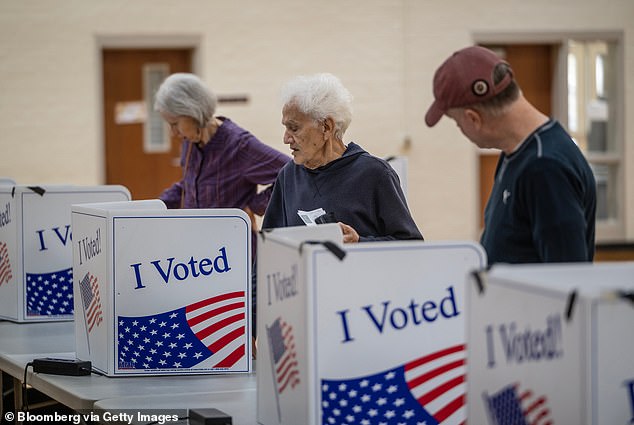
Growing Divide and Escalating Rhetoric
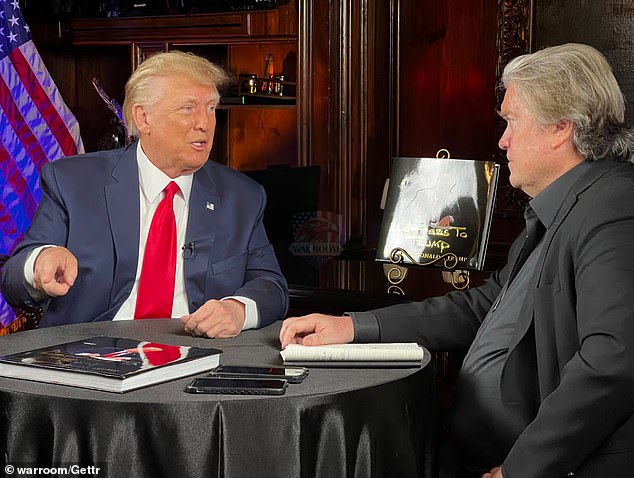
Bannon’s warning underscores a widening chasm within the conservative movement itself. Some supporters have voiced their frustration, feeling that the Trump administration has disproportionately focused on international matters while the everyday economic concerns of American households continue to be a pressing issue.
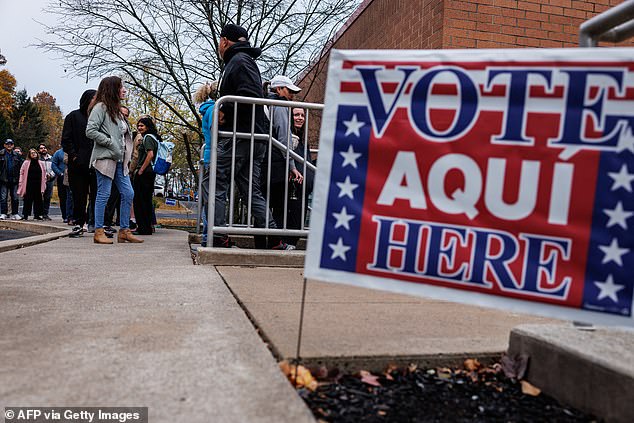
In recent weeks, Bannon has also amplified his rhetoric, making provocative claims regarding election security and federal enforcement. During his “War Room” podcast, Bannon declared, “You’re damn right we’re going to have ICE surround the polls come November. We’re not going to sit here and allow you to steal the country again. And you can whine and cry and throw your toys out of the pram all you want, but we will never again allow an election to be stolen.”
However, White House chief of staff Susie Wiles swiftly pushed back against the notion of federal agents being deployed to polling places. In an interview with Vanity Fair, she categorically dismissed the claim as “categorically false.” It is important to note that, under the U.S. Constitution, the administration of elections primarily falls under the purview of state and local governments, not federal authorities.
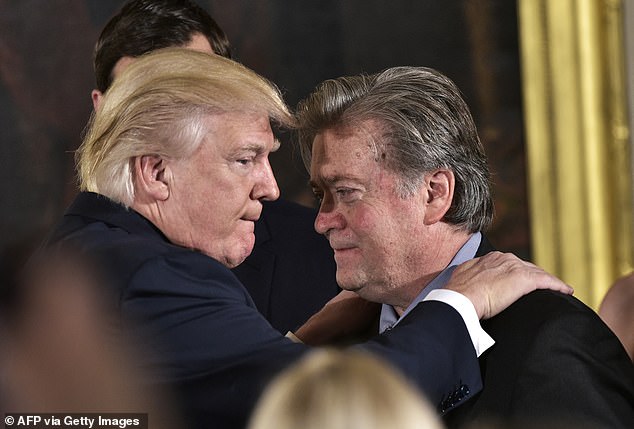
Despite this official rebuttal, Donald Trump himself has publicly mused about the potential for the federal government to assume a greater role in overseeing elections. During a press conference in the Oval Office, Trump stated, “If you think about it, a state is an agent for the federal government in elections. I don’t know why the federal government doesn’t do them anyway.” He further suggested that federal intervention might become necessary if states prove unable to guarantee election integrity. “Look at some of the places – that horrible corruption on elections – and the federal government should not allow that,” Trump remarked. “If they can’t count the vote legally and honestly, then somebody else should take over.”