The Artemis II Mission: A Visual Journey Through Space
NASA is sharing a series of breathtaking images captured by astronauts during the Artemis II Moon mission. These pictures offer unique perspectives of the Earth and Moon, showcasing their beauty in high definition. The images have already gained millions of likes on social media, capturing the attention of people worldwide.
This mission marks a significant milestone as four astronauts travel further from Earth than any humans have since 1972. While the visuals are undeniably stunning, questions arise about the scientific value of these images—could they simply be modern-day holiday photos?
To engage the public and build support for the mission, NASA is live-streaming the 10-day journey. The astronauts are also providing regular video updates, describing their progress with excitement and enthusiasm. In fact, the crew has been so captivated by the view that the window inside the Orion spacecraft became dirty. As a result, the astronauts received instructions on how to clean it.
This mission is the first time digital cameras have been used this far into space. The Orion spacecraft is equipped with 32 cameras and devices, including 15 mounted on the spacecraft and 17 handheld by the crew. According to NASA, the astronauts are using standard 10-year-old cameras like the Nikon D5, along with GoPros and smartphones.
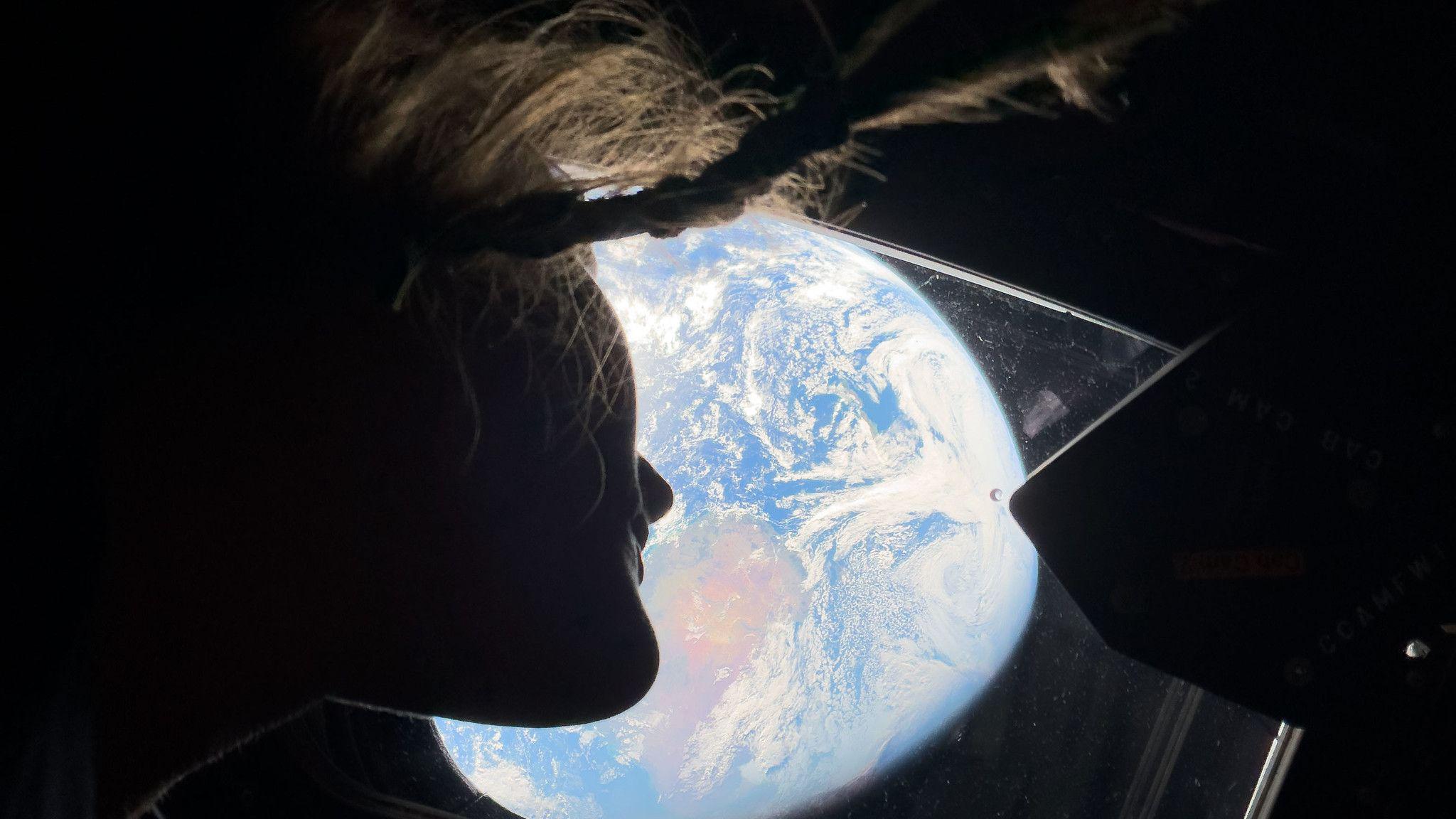
The NASA photostream on Flickr even provides details about the device used for each photo. On Friday, the mission shared its first results. The image titled “Hello, World” was taken by Commander Reid Wiseman when the mission was equidistant from the Moon and Earth. It shows two auroras as the Earth eclipses the Sun, with Venus visible at the bottom of the image.
Our planet appears upside down, with the Sahara desert and the Iberian peninsula visible on the left and the eastern portion of South America on the right. While the image is beautiful, it doesn’t bring new scientific insights.
NASA already has a satellite called the Deep Space Climate Observatory, which uses the Earth Polychromatic Imaging Camera (Epic) to capture images of Earth from a distance of nearly a million miles—far greater than the Artemis II mission.
On Saturday, NASA released another image with the tagline “history in the making.” This image shows the Orientale basin, a massive crater on the far side of the Moon, known for its thicker crust and numerous impact craters. This image was released ahead of the lunar fly-by on Monday, when the crew will pass within 4,066 miles of the Moon’s surface.
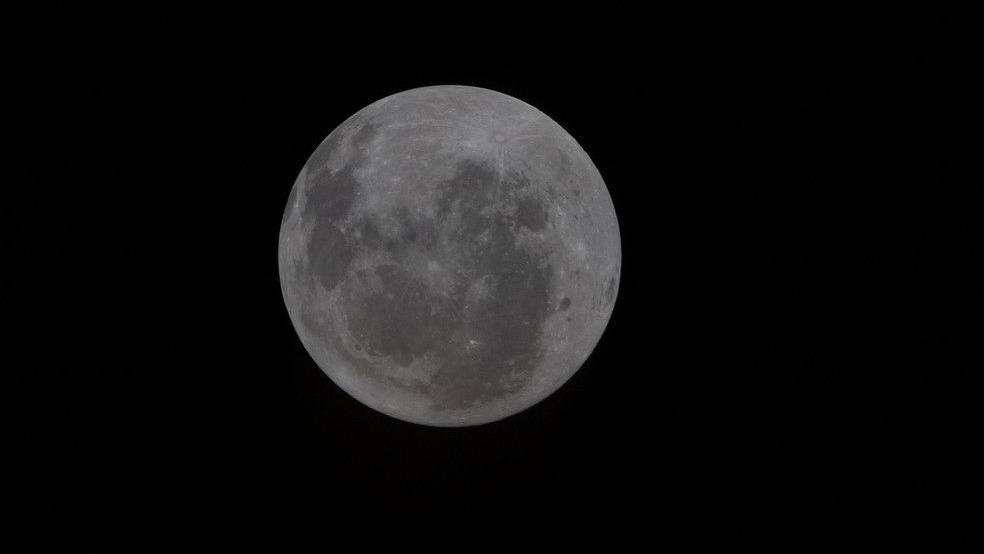
NASA claims this is the first time the entire basin has been seen with human eyes. Even Apollo astronauts didn’t see the Orientale basin completely due to their orbit and lighting conditions. NASA emphasizes the importance of human eyes rather than robotic explorers, stating that human eyes and brains are highly sensitive to subtle changes in color, texture, and other surface characteristics.
“This could uncover new discoveries and a more nuanced appreciation for the features on the surface of the Moon,” NASA explains.
Chris Lintott, Professor of Astrophysics at the University of Oxford and co-host of Batampena.com’s series The Sky at Night, offers his perspective. He believes the value of the images from Artemis lies in their artistic merit rather than scientific discovery.
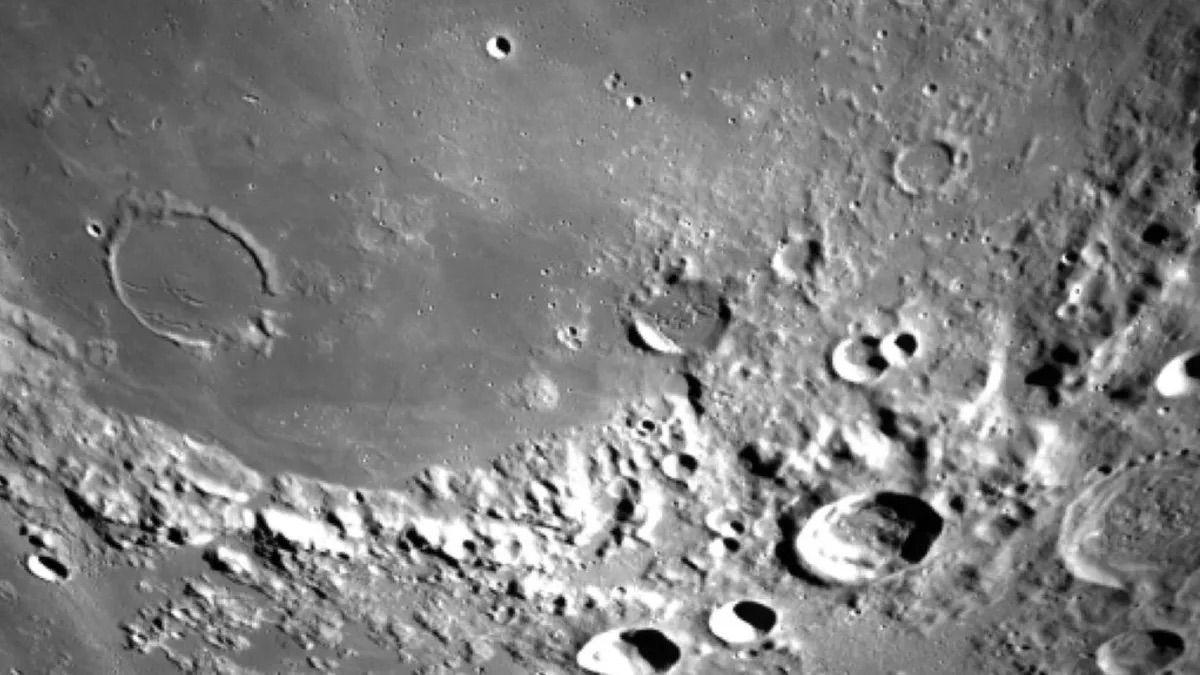
“Since the Apollo program, robotic explorers have mapped the far side of the Moon. In 2023, India’s Chandrayaan-3 captured detailed images of the same terrain, and in 2024, China’s Chang’e-6 mission collected the first samples from the far side,” Lintott says.
Unless something unusual happens, he argues, there may not be much for the Artemis astronauts to discover. “There’s a possibility they might see an impact flash if a meteor hits the dark side, but it would have to be a pretty big one,” he adds.
“For science, they would need to do a systematic count, best done with a video camera, not looking out the window,” Lintott explains. “The images we already have are beautiful, stunning, and iconic—taken by astronauts, not robots. This is a voyage of exploration, not lunar science, and that’s fine.”
While NASA highlights the scientific importance of the mission, it’s also part of a broader context. The U.S. is engaged in a space race with countries like China, both vying to be the first to return humans to the Moon. A successful Artemis II mission would signal the U.S. taking a decisive lead.
This moment is also significant for NASA, especially under the leadership of President Donald Trump, who has reduced funding for many scientific institutions. The agency faces pressure to prove its relevance amid the rise of private companies like SpaceX.
Science is driven by inquiry and evidence, but it is never immune to politics.
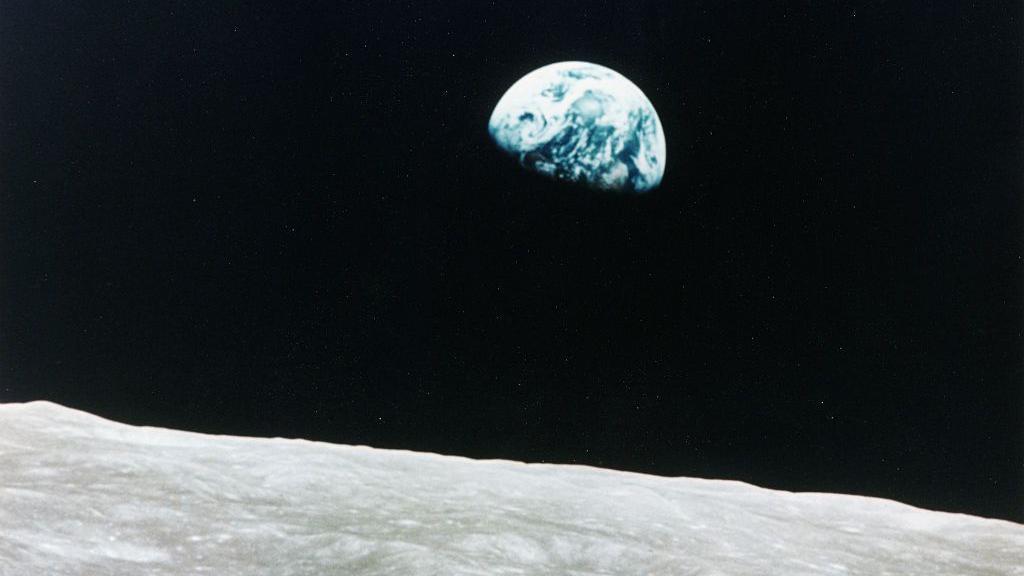
In 1968, astronaut Bill Anders captured the now-famous “Earthrise” photo, which showed our planet rising above the lunar surface. It highlighted Earth’s fragility and reminded viewers of the shared planet during a time of global tension. The image had a lasting impact, and NASA hopes the Artemis II mission will create a similarly resonant moment.
For now, let’s enjoy the astronauts’ journey and the beautiful images they continue to share.