South Korean Parliament Faces Stalemate as Democratic Party Eyes Full Committee Control
Seoul, South Korea – The political landscape in South Korea is experiencing heightened tension following a bold announcement by the Democratic Party of Korea. The party has declared its intention to claim all 17 standing committee chair positions in the upcoming second half of the 22nd National Assembly session. This move has been met with fierce opposition from the People Power Party, who have decried it as an overt declaration of a “one-party dictatorship.”
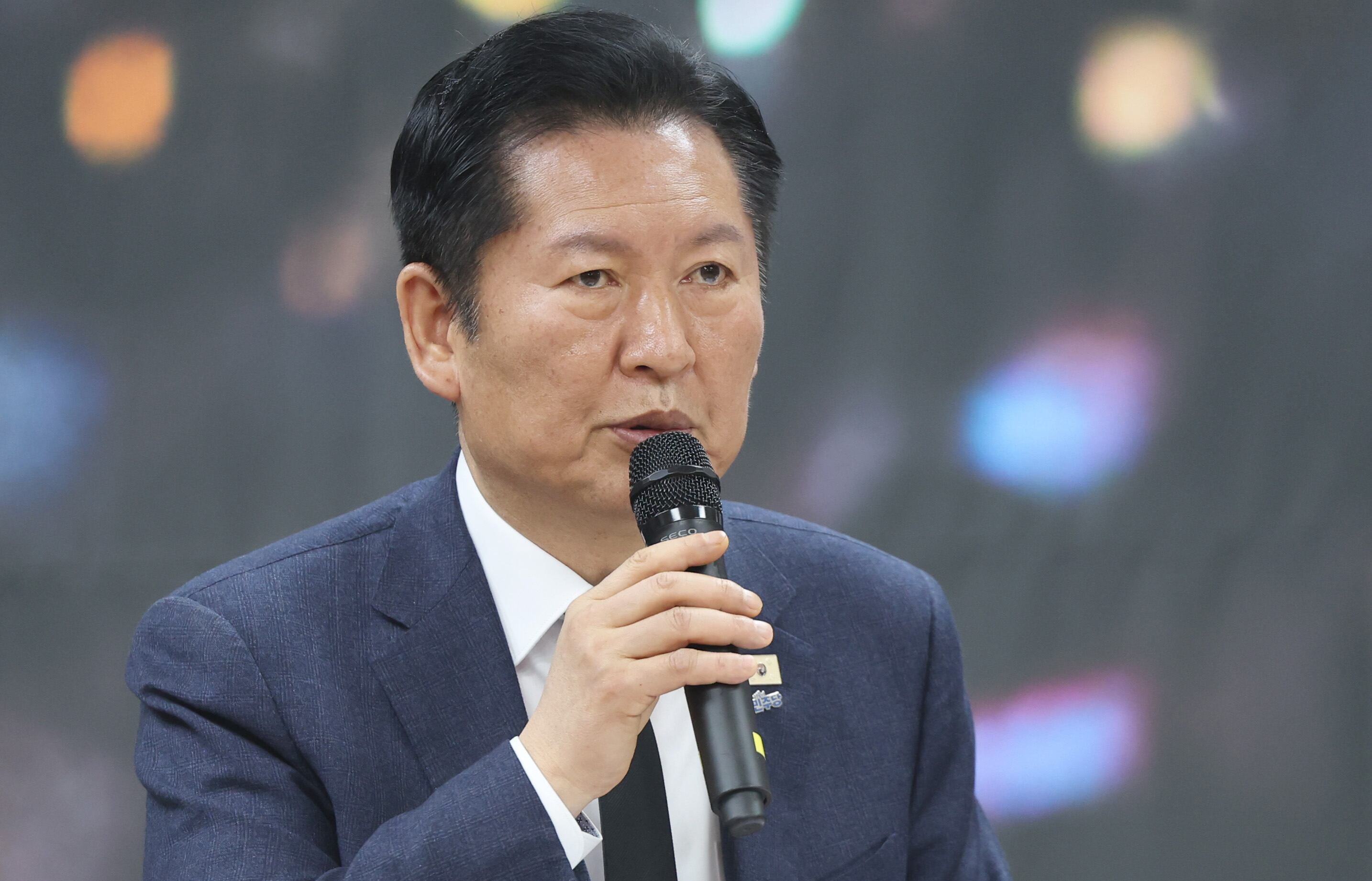
The Democratic Party’s stance was articulated by its leader, Jung Chung-rae, during a Supreme Council meeting held in Bongha Village. He stated on June 23rd that the Democratic Party would assume full responsibility for both the composition and operation of the standing committees for the latter half of the parliamentary session. This, he argued, is in line with their role as the majority party and their commitment to serving the public.
Currently, the distribution of the 17 standing committee chairmanships reflects the party’s seat allocation, with the Democratic Party holding 10 and the People Power Party holding 7. However, the Democratic Party’s ambition is to secure all 17. Representative Jung had previously alluded to this strategy at a lawmakers’ general meeting, drawing a parallel to the U.S. system where the party with a slim majority often claims all committee chairmanships. He expressed his belief that in the second half of the session, “100% of the chairmanships will be from our Democratic Party.”
Representative Jung directed sharp criticism at the People Power Party, accusing them of “irresponsible obstruction of work at the expense of people’s lives.” He highlighted the perceived ineffectiveness of the Standing Committee on Political Affairs, currently chaired by the People Power Party, pointing to a mere 17.6% bill passage rate since the 22nd National Assembly convened. He further alleged that no bills have been reviewed by this committee this year, branding their actions as a dereliction of duty that “neglects people’s livelihoods and obstructs state affairs.”
This assertion appears to be linked to recent remarks made by President Lee Jae Myung, who lamented the slow pace of legislative progress in the National Assembly. The President had reportedly stated on June 17th that while laws such as the Capital Markets Act require revision, the opposition party’s chairmanship of relevant committees prevents any action.
The opposition has not remained silent. The People Power Party’s floor leader, Song Eon-seog, vehemently condemned the Democratic Party’s announcement at their own Supreme Council meeting. He characterized the move as a “declaration of 100% control of the National Assembly by the majority party and an open declaration of 100% one-party dictatorship.”
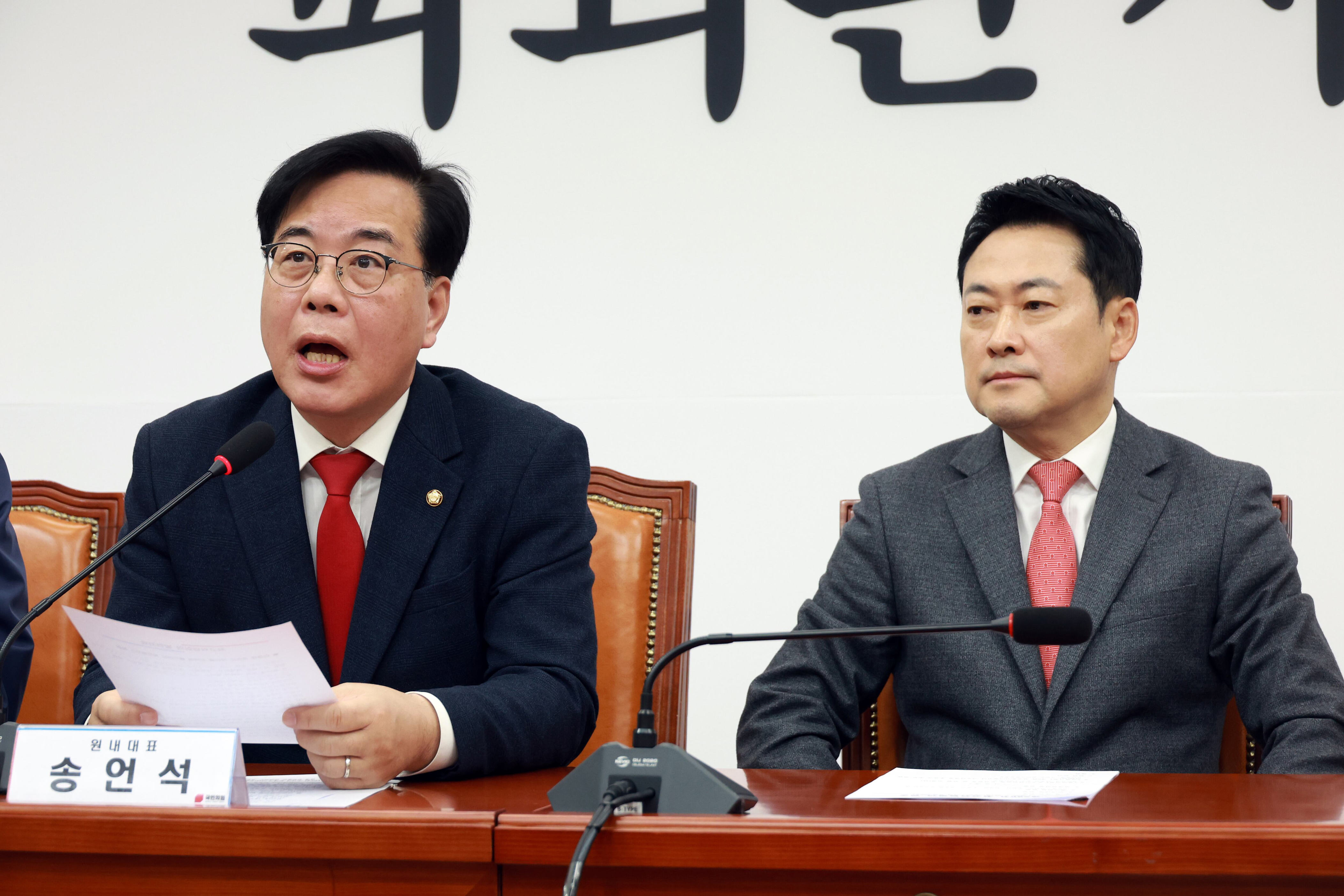
Floor leader Song further elaborated on his concerns, stating that Representative Jung’s official declaration to monopolize all standing committee chairmanships marks the completion of an “era of autocracy and tyranny” that is both unconstitutional and historically unsound. He also raised eyebrows by suggesting that Representative Jung may have pre-empted the official announcement by discussing the plan on a radio program, implying a lack of transparency and potentially seeking approval before public disclosure.
The unfolding situation points to a significant political standoff, with the Democratic Party signaling a strong intent to leverage its majority, while the People Power Party vows to resist what they perceive as an authoritarian power grab. The coming weeks are likely to be defined by intense political maneuvering and public debate over the control and functionality of South Korea’s legislative body.
Key Issues and Potential Ramifications:
- Legislative Gridlock: The Democratic Party’s ambition to control all committees could lead to further paralysis if the People Power Party employs obstructionist tactics. Conversely, if the Democratic Party pushes through legislation unilaterally, it could alienate a significant portion of the electorate.
- Checks and Balances: The opposition’s primary role is to provide scrutiny and balance to the ruling party. If the opposition is effectively sidelined from committee leadership, the effectiveness of these checks and balances is called into question.
- Public Perception: The narrative of a “one-party dictatorship” versus the “majority party fulfilling its mandate” will likely be a key battleground for public opinion. The Democratic Party’s success will depend on its ability to demonstrate tangible benefits for the public, while the People Power Party will aim to highlight perceived abuses of power.
- Presidential Influence: The President’s earlier comments on legislative delays suggest a desire for a more streamlined legislative process. The current standoff could either facilitate or further complicate his agenda, depending on how the parties resolve their differences.