Patriotic Movement Proposes Dialogue-Based Strategy for Lebanon’s Protection
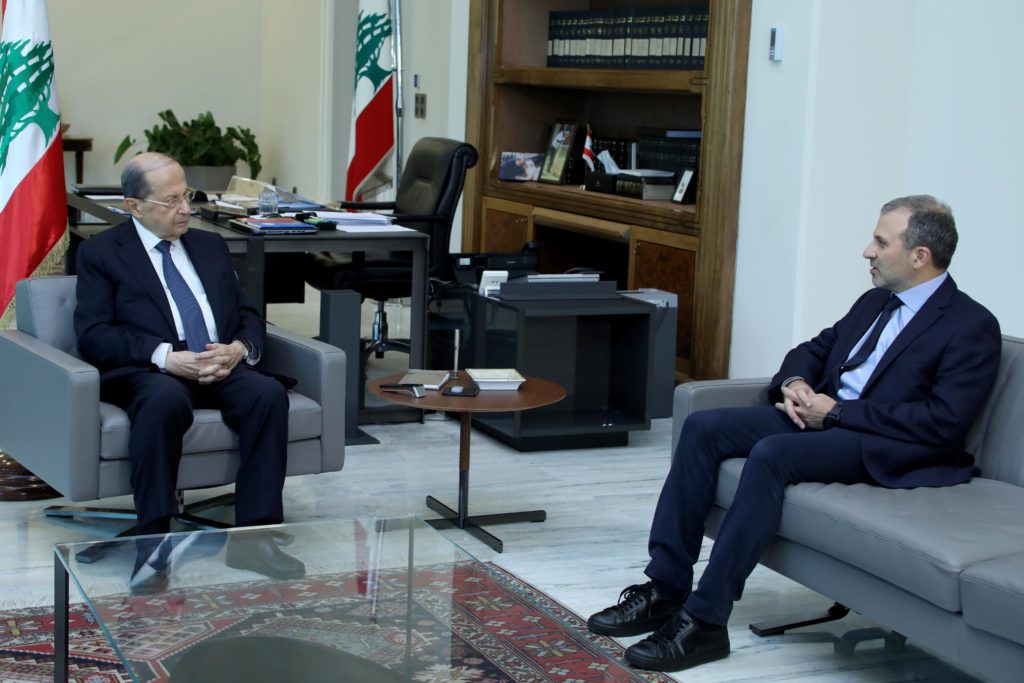
The leader of the Free Patriotic Movement (FPM), Jebran Bassil, has outlined a comprehensive proposal aimed at safeguarding Lebanon through internal dialogue and a unified national approach. Following a meeting with President Joseph Aoun in Baabda, Bassil revealed that his initiative seeks to steer the nation away from confrontation and towards consensus, emphasizing the critical juncture Lebanon currently faces.
Bassil articulated that the FPM’s proposal is built upon three core principles, designed to foster stability and national unity. These foundational ideas are intended to address the multifaceted challenges confronting Lebanon, from internal divisions to external threats.
Key Pillars of the FPM Proposal:
-
Internal Code of Conduct: The first pillar centers on establishing an internal code of conduct that unequivocally rejects violence and all forms of media and political incitement. This principle underscores the paramount importance of adhering to the state as the sole unifying authority, particularly during periods of conflict. The FPM stressed a commitment to the territorial integrity and unity of Lebanon, actively opposing any rhetoric that could sow division or exacerbate internal tensions.
-
Rejection of Strife and Foreign Interference: The second fundamental idea calls for a collective rejection by all Lebanese of any form of internal strife. This also encompasses a firm stance against Israeli occupation and any interference in Lebanese affairs by foreign powers. The FPM believes that internal harmony and national sovereignty are inextricably linked and must be defended collectively.
-
State Monopoly on Force and Israeli Withdrawal: The third and arguably most significant idea pertains to the FPM’s envisioned solution for national security. This proposal advocates for the Lebanese Army and the state to hold a complete monopoly on the use of force. Crucially, this is coupled with a demand for a full Israeli withdrawal from Lebanese territory. This element highlights the FPM’s focus on a sovereign and secure Lebanon, free from external military presence and internal armed factions.
Bassil further elaborated on the proposed solution, suggesting that it includes the neutralization of Lebanon and the adoption of a national defense strategy to which the government would be committed. This strategy, he explained, would ultimately lead to a just peace that guarantees the rights of all Lebanese citizens. The FPM leader stressed that this initiative is designed to convene the Lebanese people at the dialogue table rather than allowing them to be drawn into conflict. He positioned this effort as a national responsibility, to be undertaken under the auspices of the President of the Republic.
Despite being in opposition, Bassil affirmed the FPM’s unwavering support for the Presidency and legitimate state institutions. He emphasized that protecting these institutions, including the Presidency, is a national priority that transcends political affiliations. This commitment underscores a desire to foster a sense of national solidarity and to prioritize the well-being and stability of the Lebanese state above partisan interests. The FPM leader’s overtures signal a potential shift towards a more unified approach to Lebanon’s complex challenges, prioritizing dialogue and state-centric solutions.