Ghana Remains Vigilant Against Violent Extremism and Terrorism
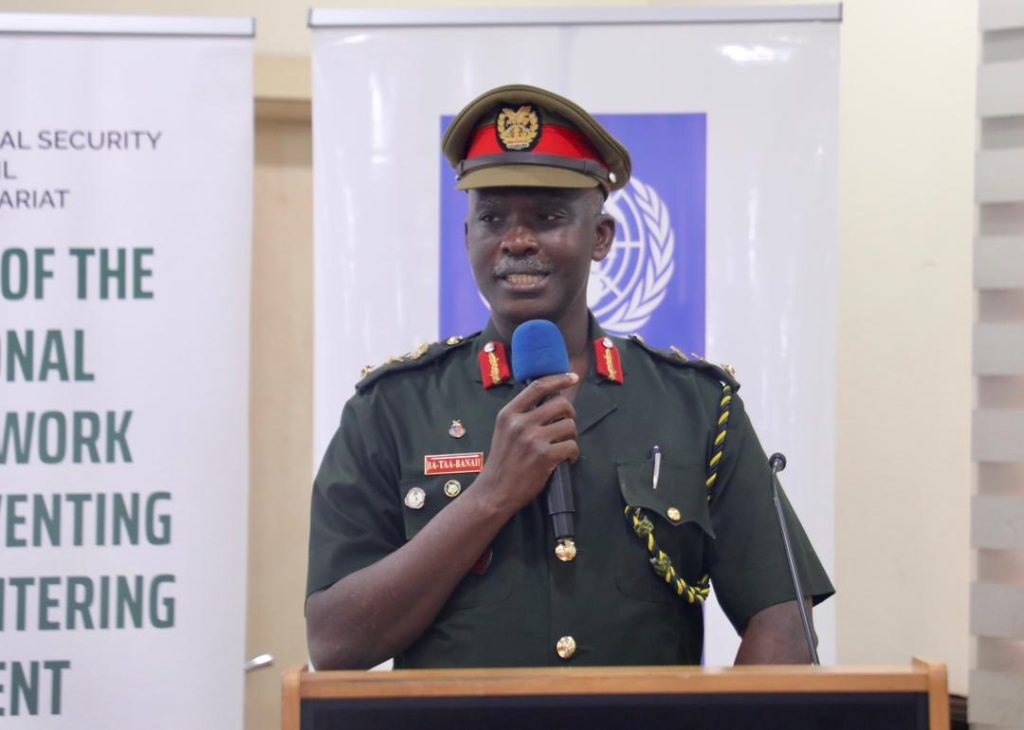
Accra, Ghana – Despite a notable absence of direct attacks on its soil, Ghana is maintaining a robust stance of vigilance against violent extremism and terrorism. Brigadier General Timothy Dr Ba-Taa-Banah, Director of the National Counter Terrorism Fusion Centre (NCTFC), emphasised that the nation’s unblemished record is not a sign of immunity but rather the result of sustained, deliberate strategies and proactive measures. These efforts, he stressed, will continue to be a cornerstone of Ghana’s security apparatus.
Brig. Gen. Ba-Taa-Banah articulated these remarks during the opening of a three-day stakeholder engagement forum held in Accra. The primary objective of this crucial meeting was to review and update the National Framework for Preventing and Countering Violent Extremism and Terrorism.
“That we haven’t recorded any casualties on home soil is a product of a fine mix of measures,” Brigadier General Ba-Taa-Banah stated. “But it doesn’t mean we are immune, nor does it give us room for complacency. All stakeholders involved in this holistic approach must remain vigilant and proactive.”
The forum, a collaborative effort spearheaded by the Government of Ghana through the NCTFC and generously supported by the United Nations Development Programme (UNDP), convened a diverse array of participants. Representatives from various government institutions, security agencies, civil society organisations, religious bodies, and youth groups were brought together to contribute to this vital process.
A key focus of the discussions is the comprehensive review of the 2019 framework. The aim is to ensure its continued efficacy and relevance in the face of an ever-evolving threat landscape. This includes addressing emerging challenges such as the proliferation of artificial intelligence-driven disinformation, the increasing sophistication of terror financing methods, and the pervasive issue of online radicalisation.
Brig. Gen. Ba-Taa-Banah highlighted the broader regional context, noting that Africa has been a theatre for numerous terrorist attacks since the late 1990s, citing significant incidents in countries like Tanzania and Kenya. He issued a stern caution that while Ghana has largely been spared direct impact, the escalating extremism in neighbouring countries, particularly within the Sahel region, necessitates unwavering vigilance.
The economic implications of these threats were also a significant point of discussion. “Without an economy which is strong enough, you can’t boast of a defence system that is resilient,” he observed. “We may not have suffered a direct loss of lives from Paga right down to Aflao, but it doesn’t mean that the fortunes of the economy of the country have not been negatively impacted.”
A Comprehensive Review Process
The review process has been extensive, encompassing consultations across 11 of Ghana’s 16 administrative regions. This inclusive approach has involved direct engagement with citizens, professional bodies, and local stakeholders, ensuring that the framework reflects the realities and concerns at the grassroots level.
Security officials are tasked with a critical assessment of the framework’s implementation to date. This involves identifying any existing gaps in the current strategies and subsequently developing concrete recommendations to bolster Ghana’s preventive and response mechanisms against violent extremism and terrorism.
International Perspective and Emerging Threats
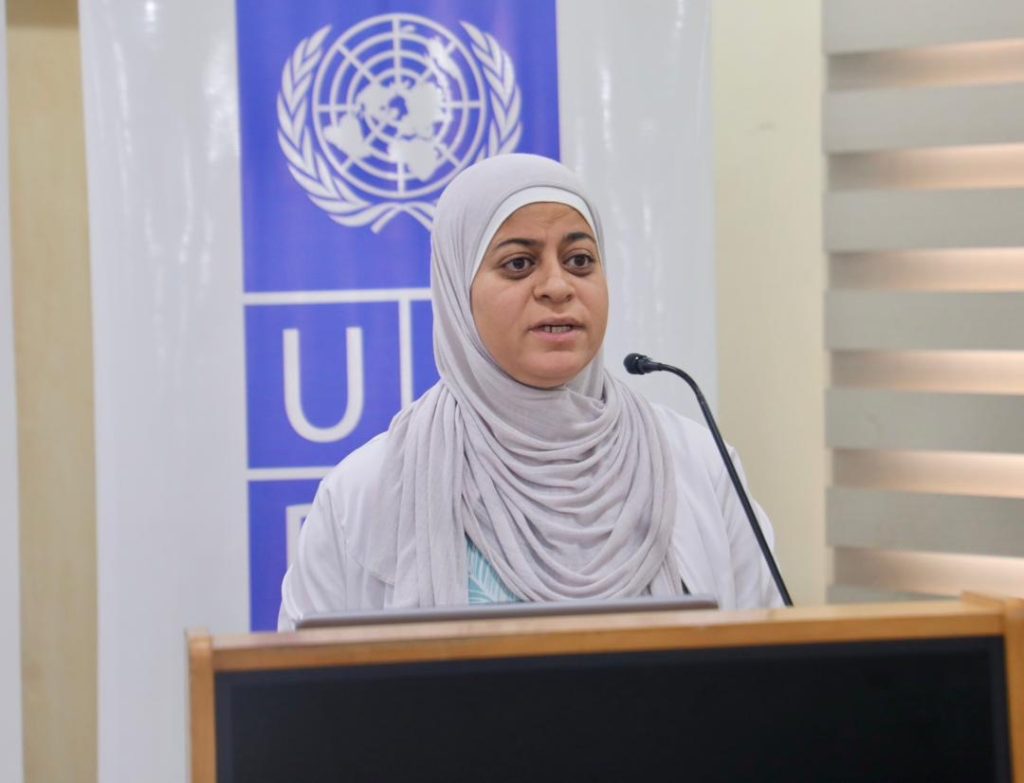
Miss Shaima Hussein, Deputy Resident Representative of the UNDP, lauded Ghana’s commitment to an inclusive approach in countering violent extremism. She specifically underscored the indispensable role of youth, women, and local communities in building resilience against these threats.
Citing data from the 2025 Global Terrorism Index, Ms. Hussein pointed out the alarming concentration of terrorism-related deaths in the Sahel, which accounts for over 51 per cent of the global total, with Burkina Faso being the most severely affected nation.
“According to UNDP’s 2023 Journey to Extremism report, worsening economic conditions, unemployment, and widespread poverty are key factors driving individuals toward violent extremism,” she stated, underscoring the socio-economic underpinnings of radicalisation.
Ms. Hussein issued a stark warning against complacency, urging Ghana not to take its democratic stability for granted. She drew a parallel with Burkina Faso, which, despite having no terrorism-related deaths recorded in 2014, has tragically become one of the most affected countries a decade later. “This stark shift offers a troubling reminder of how quickly security conditions can deteriorate within a single decade,” she emphasised.
Strengthening Resilience Through Collaboration
Addressing the complex challenge of violent extremism, Ms. Hussein stressed the necessity of a clear, overarching strategy that actively involves all stakeholders. She urged participants at the forum to meticulously review the progress of implementation while proactively integrating strategies to counter emerging threats, such as the misuse of artificial intelligence and the spread of online hate speech.
The UNDP reaffirmed its commitment to supporting Ghana’s efforts through continued capacity building, the provision of technical expertise, and the fostering of strategic partnerships aimed at enhancing community resilience.
The United Nations Development Programme, established in 1965, serves as the UN’s global development network. It is dedicated to eradicating poverty, reducing inequalities, and building resilience in 170 countries worldwide, aligning its work with the ambitious goals of the 2030 Agenda for Sustainable Development.