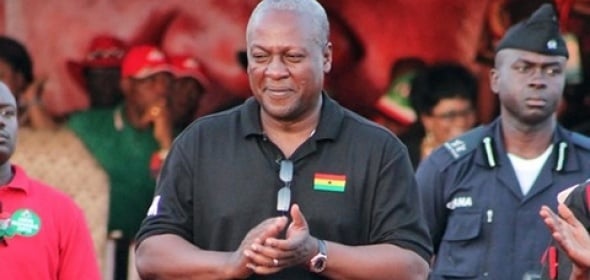
The Assemblies of God (AG) Ghana has publicly declared its unwavering support for President John Dramani Mahama after Lincoln University in Pennsylvania, USA, rescinded its decision to confer an honorary degree upon him. The university’s move was reportedly a protest against President Mahama’s stance on the Human Sexual Rights and Family Values Bill, which is currently under consideration by Ghana’s Parliament.
Rev. Ernest Birikorang, the General Secretary of Assemblies of God Ghana, articulated the church’s position, stating that they felt compelled to rally behind the President following Lincoln University’s decision. The church leadership views the withdrawal of the honorary degree not as a dishonor, but rather as a testament to President Mahama’s integrity and the values held by the Assemblies of God Ghana, a denomination to which he is a proud member.
In their statement, the church drew a parallel between the university’s action and a biblical account from Acts 5:41. This passage describes the apostles leaving the Sanhedrin rejoicing, having been deemed worthy of suffering disgrace for the name of the Lord.
The Assemblies of God Ghana emphasized that within its leadership and membership, there is a profound sense of joy, not dismay, regarding this development. They perceive it as confirmation that President Mahama has been recognized globally for his firm and unyielding opposition to LGBTQ+ practices.
The church highlighted President Mahama’s consistent articulation of his views on homosexuality. Prior to the 2024 elections, he reportedly described homosexuality as “scripturally or biblically forbidden,” morally degrading, and culturally unacceptable. This stance, according to the Assemblies of God Ghana, has remained steadfast and unwavering.
A Call to Faith and Principled Stance
The Assemblies of God Ghana has issued a call to its members who hold positions in both public and private sectors. They are encouraged to draw inspiration from President Mahama’s example and to steadfastly uphold their spiritual principles and moral values, regardless of external pressures or circumstances.
Furthermore, the church urged its members, and the broader Christian community, to engage in fervent and persistent prayer. The objective of this prayer initiative is for the nation to steer clear of what they identify as the sins of LGBTQ+ and other practices, which they believe carry severe and incalculable consequences.
The Assemblies of God Ghana’s reaction underscores a deep-seated conviction among its followers regarding moral and biblical principles. The university’s decision, rather than alienating President Mahama, has seemingly solidified his support base within this prominent religious organization. This event highlights the intersection of political stances, religious values, and international academic recognition, demonstrating how these elements can intertwine and provoke strong reactions. The church’s framing of the situation as a source of pride and rejoicing for their “member” who has taken an “ironclad stand” against LGBTQ+ practices positions President Mahama as a champion of their deeply held beliefs.
The church’s reference to the biblical passage in Acts serves to legitimize their perspective, framing the potential societal disapproval or academic withdrawal as a badge of honor for adhering to divine principles. This theological interpretation is central to their understanding of the situation and their subsequent rallying of support.
The call for intensified prayer from the Christian community further emphasizes the church’s belief in the power of spiritual intervention to shape national discourse and policy. Their concern about “incalculable consequences” suggests a belief in divine retribution or societal decay if certain values are not upheld, particularly in relation to the issues surrounding human sexuality and family structures. This theological perspective often informs the political activism and social engagement of many religious groups.
The Assemblies of God Ghana’s public statement is a clear demonstration of their commitment to defending what they perceive as traditional and biblically ordained values. By aligning themselves with President Mahama’s position, they are not only offering him political and moral support but also reinforcing their own theological framework within the public sphere. This proactive stance suggests a desire to influence public opinion and legislative outcomes, particularly concerning the Human Sexual Rights and Family Values Bill. The church’s engagement in this matter signifies a robust engagement with contemporary social and ethical debates, rooted in their interpretation of religious doctrine.