The Rastriya Swatantra Party’s Historic Victory
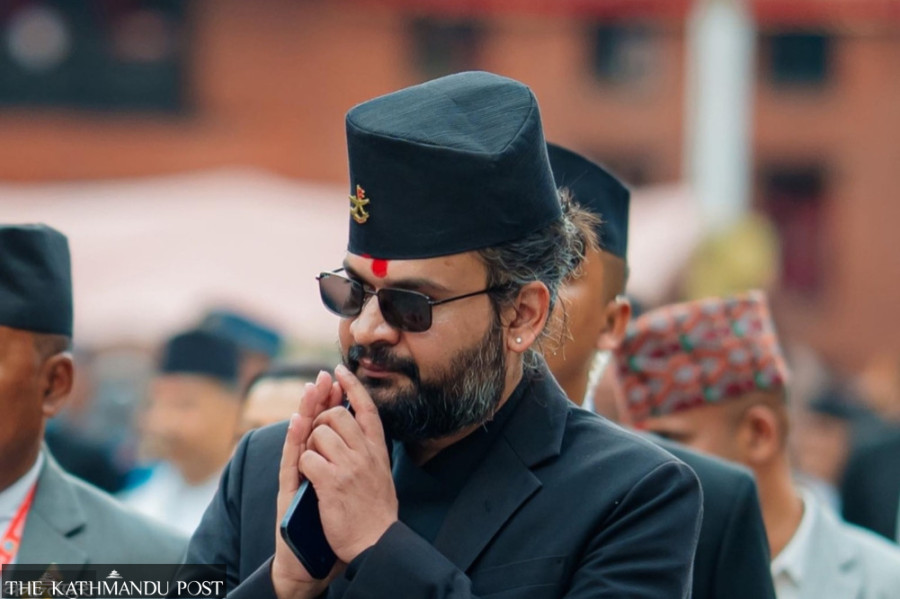
Nepal witnessed a significant political shift on April 4, as the Rastriya Swatantra Party secured a decisive victory in the 2026 elections. This outcome has not only answered one pressing question in Nepali politics but has also raised a more complex issue: What will Balendra Shah do with such a sweeping mandate?
The party’s success reflects a deep-seated public dissatisfaction with the existing political order. Voters have punished an entire generation of leaders and, by extension, the traditional methods of governance. This raises a critical question: Will Shah use his victory to establish a new administrative order or continue to challenge the state from within power?
Lessons from Indian Politics
The subcontinent offers two prominent examples that could guide Nepal’s path. In 2014, Narendra Modi led the Bharatiya Janata Party (BJP) to a historic single-party majority in India. His administration focused on transforming anti-incumbent anger into a broader national mandate for development and progress. Key initiatives like Jan Dhan, Swachh Bharat, and Digital India helped reframe the government’s role, emphasizing efficiency and citizen engagement.
Modi’s strategy was to absorb the electoral mandate into the state apparatus. He also prioritized organizational expansion, strengthening the BJP’s grassroots presence. This approach allowed the party to maintain its influence beyond just the initial victory, creating a durable political machine.
In contrast, the Aam Aadmi Party (AAP) in Delhi took a different route after its 2015 landslide win. While it had a strong mandate, Delhi’s constraints limited its ability to enact comprehensive reforms. Instead, AAP focused on visible, citizen-centric policies such as the 1031 helpline and Mohalla Clinics. Their approach emphasized direct engagement with the public, maintaining their anti-establishment ethos even while in power.
The Dilemma Facing Nepal
The key question now is whether Shah will follow the Modi model or the Kejriwal approach. If he adopts the former, he may focus on centralizing efficiency, avoiding excessive moral theatrics, and making the bureaucracy internalize the new power structure. On the other hand, if he leans towards the latter, he might keep public anger active, emphasize anti-corruption efforts, and rely on the anti-establishment narrative for legitimacy.
Shah does not have the same institutional depth or ideological ecosystem that Modi had in 2014. This may push him towards a more sustained struggle against the establishment. However, what Nepal may need is not just a righteous leader but someone who can unify the nation and build a durable state capacity without resorting to centralized control.
The Path Forward
Nepal stands at a crossroads. The electorate has shown a clear preference for change, but the challenge lies in translating this mandate into effective governance. The lessons from India suggest that there are multiple paths to power, each with its own set of challenges and opportunities.
If Shah chooses the Modi route, he must be prepared to restructure the state, streamline bureaucracy, and create a sense of purpose and direction. Alternatively, if he opts for the Kejriwal model, he must remain vigilant in maintaining public engagement and addressing grievances directly.
Ultimately, the success of the Rastriya Swatantra Party will depend on how well Shah can navigate these choices. The coming years will test not only his leadership but also the resilience of Nepal’s democratic institutions. The country needs a leader who can harness the momentum of this historic victory to build a more inclusive and efficient state.