Internal Strain in Taiwan’s KMT Over Defence Spending and Cross-Strait Relations
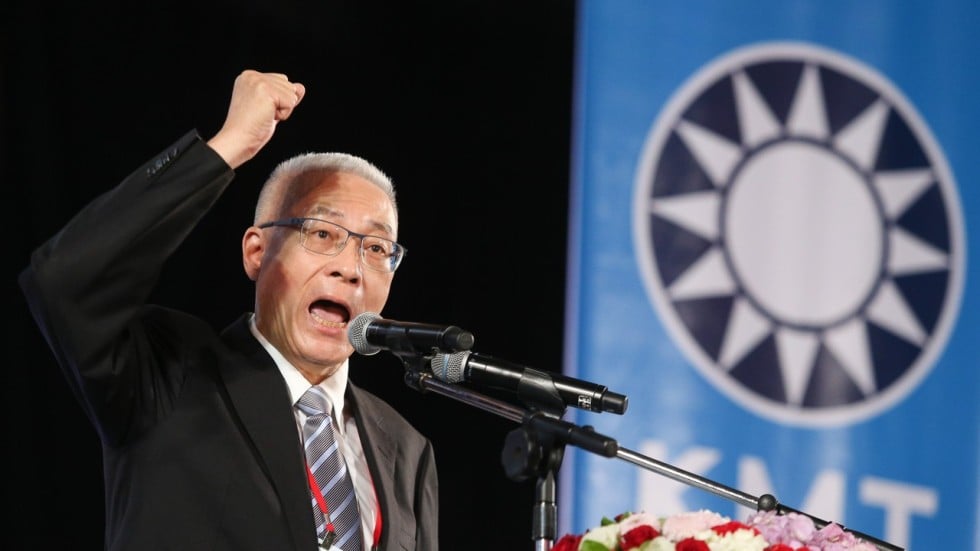
As the chairwoman of Taiwan’s main opposition party, the Kuomintang (KMT), prepares to travel to mainland China, internal divisions within the party have become increasingly apparent. These differences revolve around key issues such as defence spending, relations with Washington, and Beijing, raising questions about the KMT’s strategic direction.
The KMT leader, Cheng Li-wun, is set to visit mainland China from April 7 to 12, potentially meeting with Communist Party leader Xi Jinping. This trip comes at a time when the party is grappling with a contentious special defence budget proposal. The debate has exposed an emerging split between more US-aligned and Beijing-friendly factions within the party.
At the heart of the controversy is a proposed NT$1.25 trillion (US$40 billion) special defence budget by the Democratic Progressive Party (DPP) administration. This budget aims to enhance Taiwan’s resilience and asymmetric capabilities. Much of the funding is intended for the purchase of US weapons, following pressure from the White House for Taiwan to take greater responsibility for its own defence.
In contrast, the KMT caucus has proposed a significantly smaller “NT$380 billion plus N” framework, with the final figure open to negotiation. However, several senior figures within the party have expressed support for a higher amount closer to the government’s proposal.
Taichung mayor Lu Shiow-yen, seen as a potential contender for the 2028 leadership race, recently stated that a “reasonable” budget should fall between NT$800 billion and NT$1 trillion. Describing arms procurement as “buying insurance,” Lu emphasized the need for advanced systems within financial capacity—remarks interpreted as an effort to reassure Washington about the party’s stance on large-scale spending.
Former KMT chairman Eric Chu Li-luan has also been associated with proposals in the NT$900 billion range, reinforcing perceptions of a more US-friendly line among key party figures. This contrast has intensified scrutiny of Cheng’s position, which some critics view as a more cautious approach towards Washington as she prepares for her trip across the Taiwan Strait.
Cheng has advocated for embracing the 1992 consensus, arguing it could “significantly reduce the likelihood of military confrontation.” This position, however, is rejected by the DPP and viewed with concern by some Taiwan-centric voices within the KMT. The term refers to a verbal understanding between the KMT and Beijing that both sides recognize “one China,” though each side interprets what that means.
DPP officials have seized on the internal divisions within the KMT. DPP secretary general Hsu Kuo-yung warned that treating defence spending as a bargaining exercise could jeopardize Taiwan’s security. He questioned whether Cheng or Lu calls the shots, pointing to the wide gap between competing figures.
Cheng has attempted to downplay the differences, stating that the “NT$380 billion plus N” framework does not cap spending, with the “N” representing additional funding once more details, including US letters of offer and acceptance, become available. She emphasized that the KMT would “immediately review” arms purchases once further information was provided.
Despite these efforts, signs of unease persist. Cheng hosted two dinners in mid-March to rally support for the party’s defence proposal, but the events were poorly attended, with more than one-third of lawmakers absent from the first gathering. A separate dinner hosted by Chu drew a much higher turnout.
Some KMT lawmakers have openly acknowledged the divisions. One legislator noted that many, particularly those preparing for local elections later this year, remain cautious about the political impact of closer engagement with Beijing. Others, like legislator Lo Chih-chiang, are more conciliatory, emphasizing the importance of maintaining cross-strait communication channels despite the timing.
Tensions have also emerged in a parallel dispute involving figures linked to former leader Ma Ying-jeou. One such figure is Hsiao Hsu-tsen, a KMT vice-chairman and close ally of Cheng. Hsiao, a former executive director of the Ma Ying-jeou Foundation, has been accused of financial misconduct and unauthorized activities on the mainland—allegations he denies. While the foundation has cut ties with Hsiao, Cheng has publicly supported him, who is expected to join her delegation to the mainland, further highlighting divisions among party elites.
Analysts suggest that the developments point to a broader contest over the KMT’s direction. Yeh Yao-yuan, a professor at the University of St Thomas in Houston, noted that Cheng’s Beijing-leaning position contrasts with a more moderate line that emphasizes maintaining strong ties with Washington. Chu Chao-hsiang, a mainland studies professor at Chinese Culture University in Taipei, said grass-roots supporters and local candidates are uneasy, as Cheng is not fundamentally a party chair who manages election strategy.
Others, like Huang Huei-hua, director of Taiwan Global Talk, reject the idea of a major split. She argued that the differing approaches reflect a “division of labour” rather than conflicting strategies, with the core objective remaining the same: safeguarding the Republic of China and maintaining peace and stability. She added that while local elections focus on grassroots issues, a poor showing could still carry consequences for the party.