Yoke Steering Wheels Set for the Chop in China From 2027
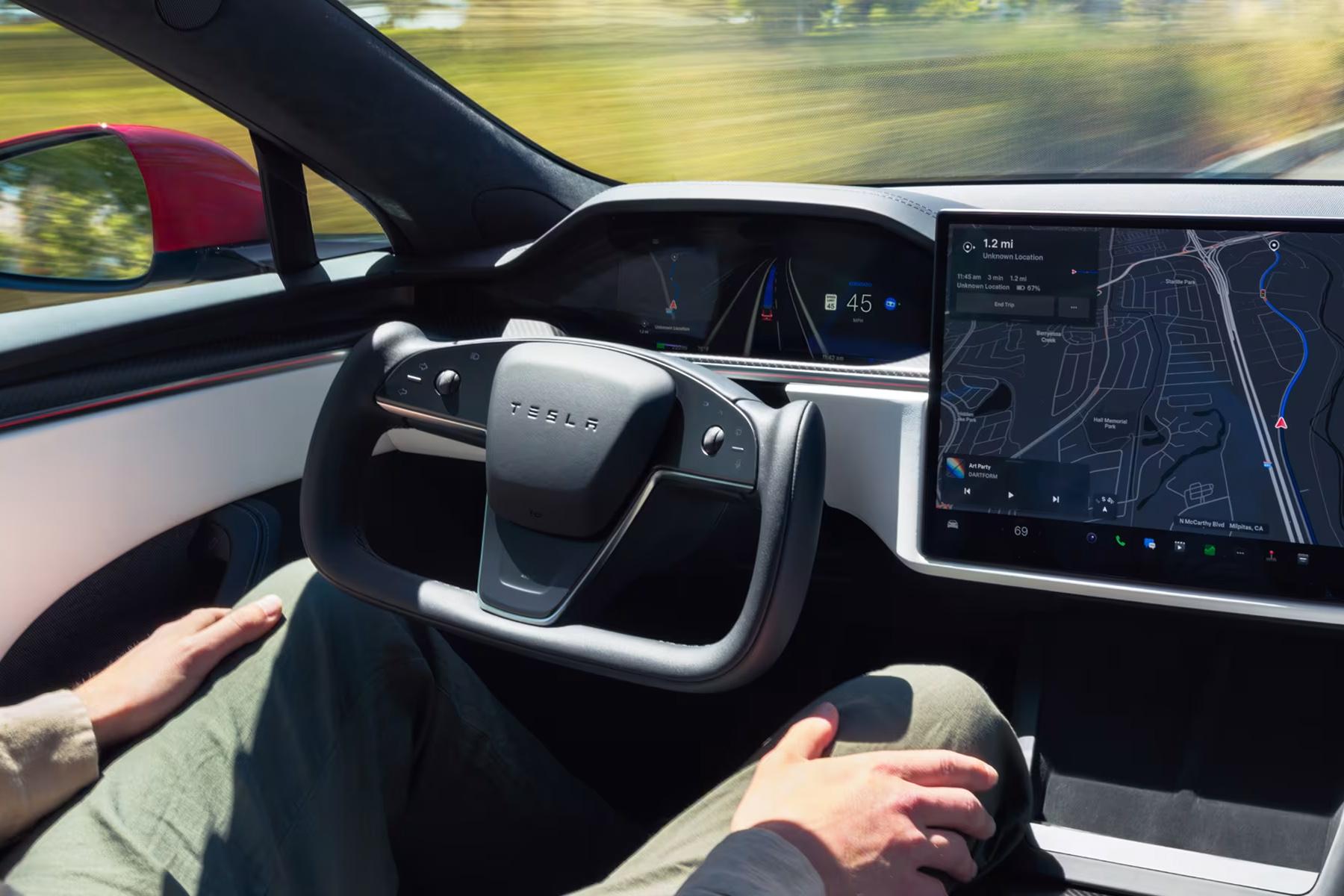
China is poised to effectively ban yoke-style steering wheels from 2027 as part of a significant safety overhaul by the nation’s automotive regulators. While these unconventional steering wheels have certainly grabbed headlines and sparked debate in recent years, their presence on the market has remained relatively niche. Currently, they are found in a select few vehicles, including the Lexus RZ, Tesla Model S, certain IM models sold in China, and the soon-to-be-updated Mercedes-Benz EQS.
However, a draft regulation unearthed by Chinese automotive publication Autohome, originating from the Ministry of Industry and Information Technology (MIIT), signals a dramatic shift. This proposed update to China’s steering wheel safety standards is currently in the “draft for approval” stage, meaning it’s just one step away from being finalised and implemented at the beginning of 2027.
Key Changes Driving the Yoke Ban
The core of the new regulation involves the removal of specific technical content pertaining to yoke-style steering wheels. Simultaneously, it mandates human impact testing for all types of steering wheels, a move that directly challenges the design philosophy of the yoke. Earlier iterations of the draft reportedly contained references to yoke-style wheels, but these have been excised from the final version submitted for approval.
The new standard introduces stringent requirements for head impact testing, specifying a dozen critical points on the steering wheel rim that must be tested. These include areas such as the “mid-point of the weakest area” and the “mid-point of the shortest unsupported area.” Crucially, these specific points do not exist on a yoke-style steering wheel due to its distinctive, often non-circular, design.
The Safety Rationale Behind the Decision
Autohome cites research, presumably influencing the MIIT’s decision, that highlights a critical safety concern. The study suggests that “traditional circular steering wheels provide a large area of cushioning when the driver leans forward.” In stark contrast, the open, often half-spoke, structure of a yoke-style wheel presents a heightened risk. “The open structure of a half-spoke steering wheel makes it very easy for a person to bypass the steering wheel and directly impact the steering column or dashboard in a secondary collision, drastically increasing the risk [of injury],” the research indicates.
Furthermore, the updated regulations introduce a new rule that prohibits any hard projectiles, such as metal or plastic components, from being positioned to face an occupant during airbag deployment. According to the Chinese website, yoke-style wheels are likely to struggle to meet this stringent requirement. Their irregular supporting structures and unpredictable fracture patterns during a crash scenario make them a more challenging proposition for this safety mandate.
Aligning with Global Standards
Beyond the specific focus on yoke designs, the revised regulations bring China’s automotive safety standards into closer alignment with international benchmarks. This includes implementing stricter thresholds for the upward and rearward displacement of the steering column during an accident, as well as updating testing methodologies to reflect the latest safety science.
Implementation Timeline
Once officially approved, these new steering wheel regulations will take effect from January 1, 2027. This date will apply to all new vehicle models launched from that point forward. Existing vehicles already on sale are typically granted a grace period, usually around 13 months, to comply with the updated standards, allowing manufacturers time to make necessary modifications.
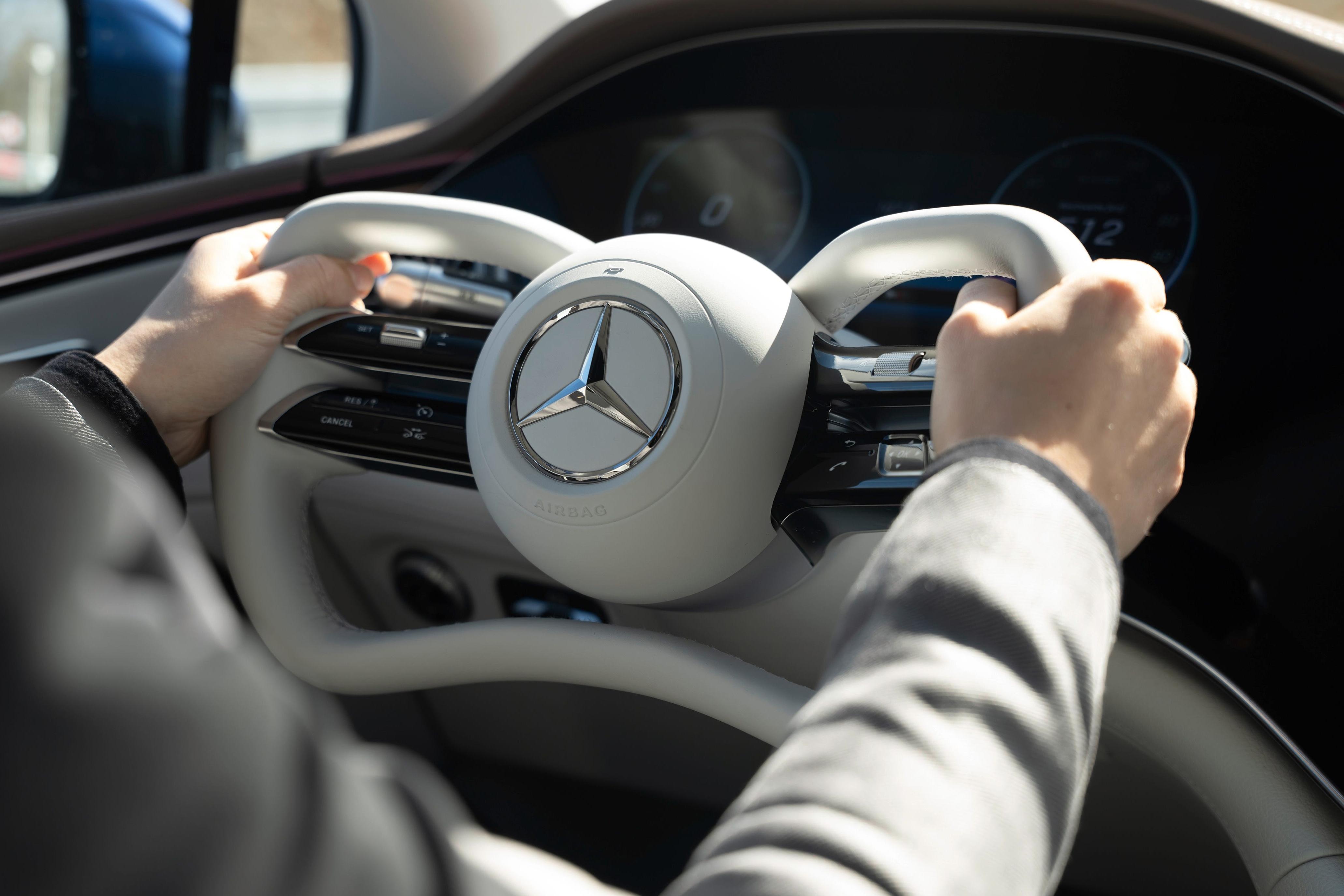
The move by Chinese regulators underscores a global trend towards prioritising occupant safety, with steering wheel design now firmly in the regulatory spotlight. While yoke steering wheels offered a glimpse into a potentially different automotive future, their safety implications, particularly in real-world crash scenarios, appear to have ultimately tipped the scales against them in one of the world’s largest car markets.
Further Reading
- Reinventing the wheel? Steer-by-wire and yokes explained