Gamified Finance: University Students Tackle “Cashflow 101” for Real-World Financial Savvy
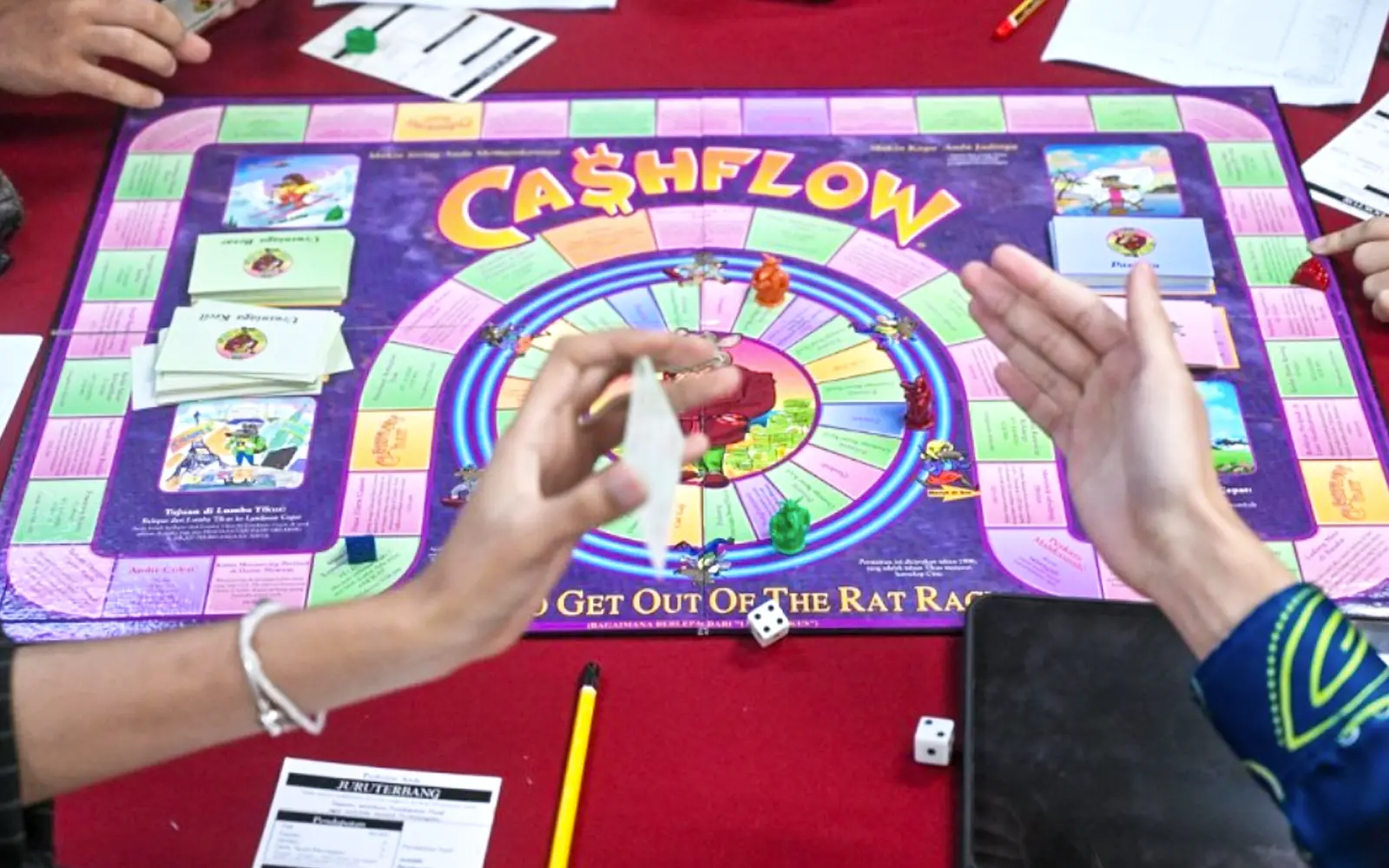
The air in the room was electric, not with the anxiety of impending exams, but with the clatter of dice, the rustle of play money, and the occasional groan of players hit by unexpected financial setbacks. Instead of being glued to their smartphones, approximately 200 university students were deeply engrossed in a board game that offered a refreshing departure from traditional classroom instruction: making financial literacy an engaging and enjoyable experience.
This was the scene at a recent “Cashflow 101” session, a game that, at first glance, resembles a standard board game with its colourful squares, mock currency, and character cards. However, within moments of starting, players are thrust into the complex world of managing monthly salaries, grappling with car loans, navigating unforeseen expenses, and seizing investment opportunities. A single unlucky draw can result in a hefty medical bill, while a shrewd move might suddenly see players collecting dividends.
“It was our first time playing the game, and we learned how to sell, earn dividends, and better understand cash flow,” shared Vishnu, a 22-year-old economics student, highlighting the immediate practical takeaways.
The “Rich Dad Poor Dad” Philosophy in Play
The game itself is the brainchild of renowned international financial author Robert Kiyosaki, best known for his seminal work “Rich Dad Poor Dad.” Kiyosaki designed “Cashflow 101” to impart financial wisdom through active participation rather than passive lectures.
“Play the game and you learn. You cannot learn without doing something – it’s impossible,” Kiyosaki himself emphasized during the recent launch of the programme at Universiti Putra Malaysia (UPM). He further elaborated on the educational philosophy behind the game, stating, “When our schools punish you for making mistakes, you don’t do anything. You are afraid to make a mistake. But mistakes are how we learn.”
In the context of “Cashflow 101,” mistakes are encountered swiftly, frequently, and crucially, without real-world financial repercussions. Players are exposed to what Kiyosaki terms the “rat race”—the cycle of earning a salary, paying bills, and struggling to accumulate wealth unless one learns to invest judiciously and build income-generating assets.
For Wong Ch’ng Yin Chloe, a 20-year-old business administration student, the core lesson was profoundly simple yet impactful: “We should control money and not let money control us. The game helped me learn how to manage and invest my money.”
Muhammad Rafiq Fikri Rosnizam, a 24-year-old information technology student, found that the simulation significantly sharpened his strategic thinking regarding business risks. “The game involves elements such as shares and investing in companies, and it helps us assess whether a financial decision is worthwhile,” he explained.
Beyond Budgets: Unpacking Financial Statements
“Cashflow 101” extends its educational scope beyond basic budgeting and dividends, introducing players to the concept of financial statements. Kiyosaki considers this an often-overlooked but vital aspect of financial literacy. “A financial statement is what a banker wants to see. This is the only game that teaches accountancy,” he asserted.
The recent playing session was part of the Asean University Cashflow Challenge 2026, a collaborative initiative spearheaded by UPM’s Centre of Entrepreneurial Development and Graduate Marketability, the Sultan Abdul Samad Library, and the University of Malaysia Student Entrepreneurship Council.
Associate Professor Hizmawati Madzin, director of the entrepreneurship centre, underscored the value of such programmes in complementing academic learning. “Initiatives like this complement academic learning by exposing students to real-world decision making,” she stated. She further elaborated, “Through such interactive simulation approaches, students gain a practical understanding of cash-flow management, risk assessment, and asset building beyond classroom theory.”
UPM board member Mohamad Sabrie Mohamad Salleh echoed this sentiment, stressing that financial literacy must transcend theoretical knowledge. He observed that despite possessing strong academic qualifications, many graduates lack a fundamental understanding of inflation, debt structures, and long-term financial sustainability. “Programmes like this help bridge the gap between theory and real-world financial realities,” he added.

The Thrill of the Game, The Reality of Finance
For the students themselves, the immediate appeal of “Cashflow 101” lies in the immersive experience. They relish the thrill of navigating the “rat race,” commiserate over the frustration of a poor investment choice, and savour the quiet satisfaction of building passive income – even if it’s all happening on a game board. The game provides a low-stakes environment to practice high-stakes financial decision-making, fostering a generation of young Malaysians better equipped to manage their finances and build a secure future.