Alfred Molina: It’s Time to Let Doctor Octopus Rest His Tentacles
For any fan of the web-slinging superhero, few adversaries have left as indelible a mark as the brilliant, yet tragically flawed, Doctor Octopus. His iconic mechanical arms and complex motivations have cemented his place as one of Spider-Man’s most formidable foes. However, according to the actor who masterfully brought him to life, Alfred Molina, it might be time to bid farewell to Otto Octavius, at least for now.
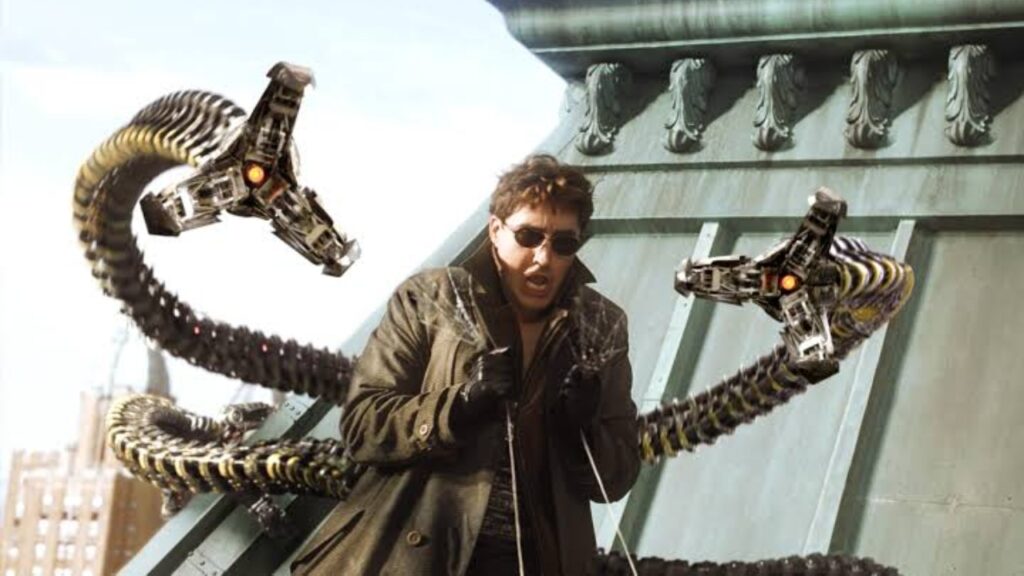
Molina’s return as Doctor Octopus in Spider-Man: No Way Home was a moment many fans had only dreamed of. Having seemingly met his end in the climactic battle of 2004’s Spider-Man 2, the actor had largely assumed his time with the character was concluded. Yet, the advent of the Marvel Cinematic Universe’s multiverse concept, coupled with significant advancements in visual effects, allowed for a spectacular comeback, introducing the complex villain to an entirely new generation of moviegoers.
The overwhelming success of No Way Home underscored the enduring popularity of Doctor Octopus. Molina’s reprisal of the role was met with widespread acclaim from audiences, contributing to the film’s status as one of the highest-grossing superhero blockbusters of all time. This resurgence proved that the character, and Molina’s portrayal of him, still resonated deeply with fans.
While the possibility of seeing Doctor Octopus again is never truly “never” in the world of Marvel, Molina’s current sentiment suggests a profound respect for the character’s legacy. He believes that Otto Octavius already occupies a significant and well-deserved position within Spider-Man’s legendary rogues’ gallery.
A Legacy Secured: Molina Reflects on Doc Ock’s Journey
Following his critically acclaimed performance in Spider-Man 2 and his surprising, yet welcome, return in Spider-Man: No Way Home, Alfred Molina has shared his thoughts on the future of his iconic villain. While he admits he would readily step back into the role if the opportunity arose – “if they came knocking on my door and said we’d love you to do it again, I would do it again, no doubt” – he also expresses a genuine belief that it might not be necessary.
This perspective highlights an evolving appreciation for the character’s arc. Molina seems content with the narrative closure and the impactful presence Doctor Octopus has already had across different iterations of Spider-Man’s cinematic history.
Speaking to Variety, Molina articulated his view: “I think we might have to just leave Doc Ock in a nice, prominent place in the rogue’s gallery of villains.” He candidly added, “I doubt if it’ll happen, though.”
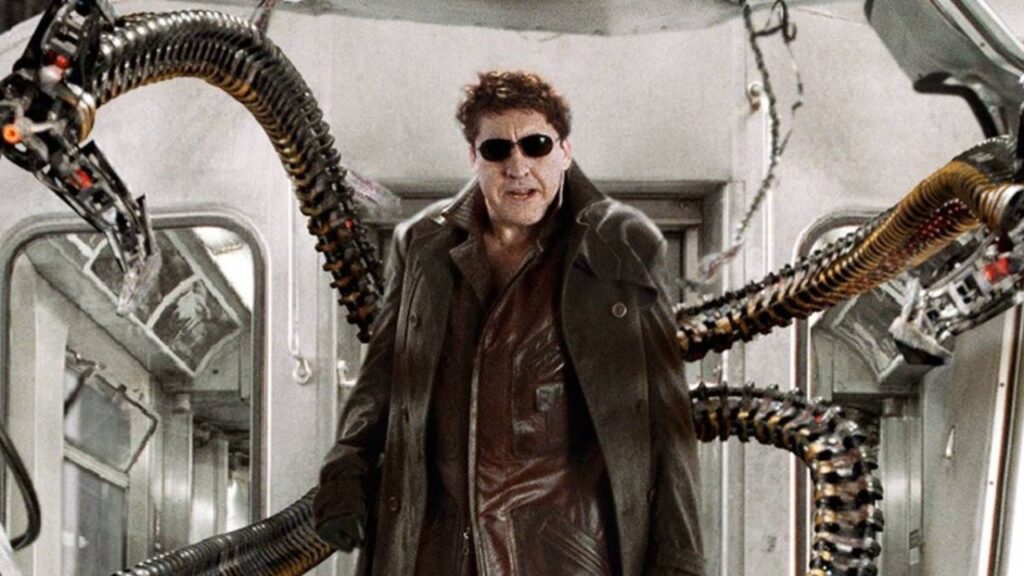
Molina’s portrayal in Spider-Man 2 was a masterclass in character acting, capturing the essence of a brilliant scientist driven to villainy by a tragic accident and the manipulative influence of his own creation. His ability to seamlessly slip back into the role nearly two decades later was a testament to his talent and the enduring power of the character.
However, Molina now feels that Doctor Octopus has earned a special, permanent spot in the annals of Spider-Man lore. He believes the character’s story has reached a point where further appearances might dilute the impact he has already made. His openness to returning is tempered by a thoughtful consideration of what serves the character best.
Redemption and Respect: Doc Ock’s Unique Place
One of the most compelling aspects of Doctor Octopus’s inclusion in Spider-Man: No Way Home was the opportunity for a form of redemption. In a landscape often dominated by purely evil villains, Otto Octavius, under Molina’s nuanced performance, offered a glimpse of a man wrestling with his actions and their consequences. This complexity is a rare gift for many comic book antagonists.
Molina is evidently pleased with the depth and lasting impression his version of Otto Octavius has left on audiences. The character’s journey, from a tragic figure consumed by his own genius to a villain whose actions are tempered by a flicker of his former self, provides a satisfying narrative conclusion.
The enduring appeal of Doctor Octopus, as demonstrated by the success of No Way Home, is undeniable. However, Alfred Molina’s thoughtful reflection suggests that sometimes, the greatest service to a beloved character is to allow them to remain a powerful, respected, and perhaps even a bit of a distant, memory within the grand tapestry of their respective universes. His legacy is secure, a testament to a villain who defied time and left an unforgettable imprint on the Spider-Man saga.