Neighbours Clash Over “Ugly” Horse Statues: Racism Allegations Emerge in Planning Dispute
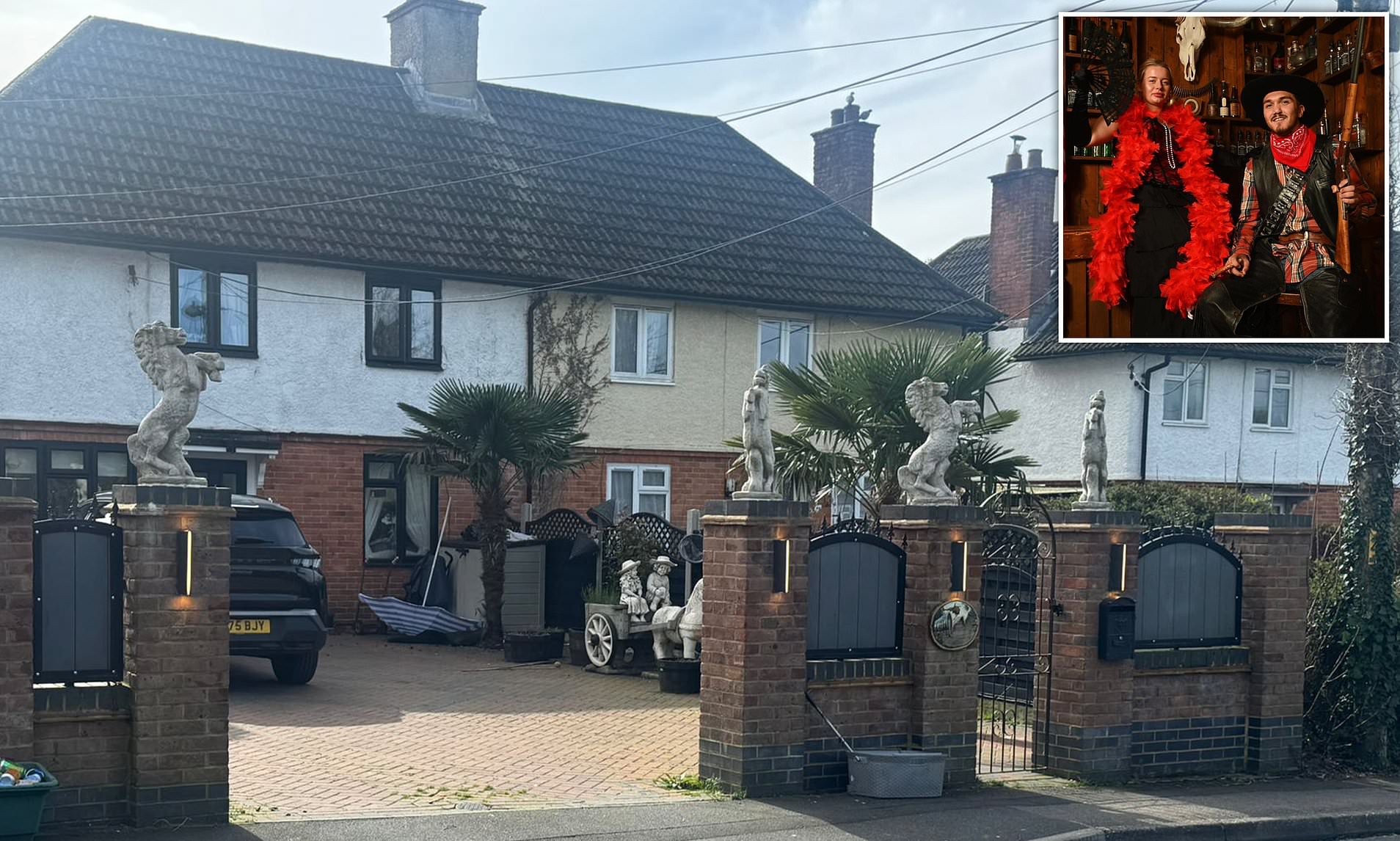
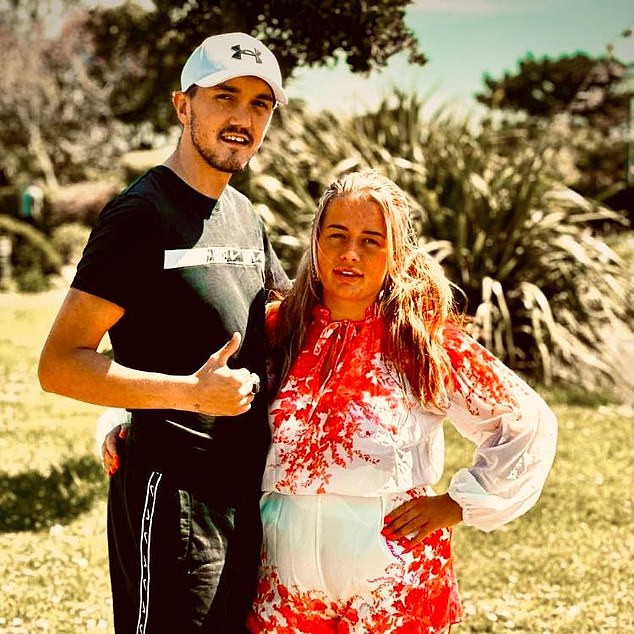
A heated planning battle has erupted in a quiet English village, pitting homeowners against their neighbours over a distinctive, horse-themed boundary wall. The couple behind the controversial construction, Brandon Rawlings, 27, and his wife Paige, 25, have accused locals of racism and jealousy after losing a planning appeal to retain the prominent feature.
The dispute centres on a semi-detached home in Kingsclere, Hampshire, where the front wall has been crowned with four striking ornaments of rearing horses, reaching a height of 2.6 metres. Basingstoke and Deane Borough Council initiated enforcement action, deeming the construction to have been carried out without permission and detrimental to the character of the street.
Accusations of Discrimination and Jealousy
Mr. Rawlings has vehemently defended his family’s actions, claiming they are being targeted due to their Romany Gypsy heritage. He alleges that complaints stem from locals who “don’t like Gypsies” and are intent on forcing the family out of the neighbourhood. In planning documents and subsequent appeals, Mr. Rawlings stated, “I do feel like we are being victimised because we are Romany Gypsies and I feel the street are out to just cause us problems.” He further asserted that the family’s home has improved the street’s appearance, contrasting it with what he described as “overgrown hedges and untidy drive/gardens.”
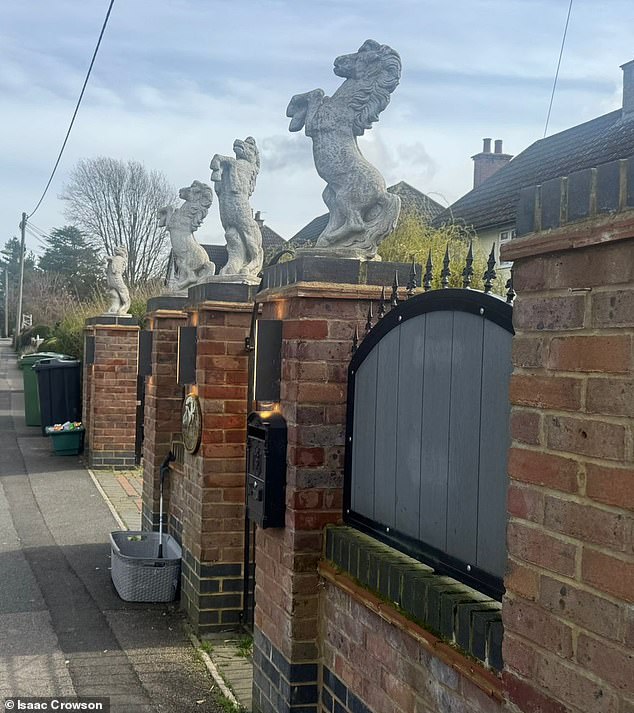
Mr. Rawlings believes the opposition is rooted in jealousy and racism, stating, “I think this all balls down to racism because we have horses on top and the street doesn’t like gypsies.” He claims that visitors to the property consistently praise the improvements made, with only the homeowners expressing dissatisfaction. “The only people who moan are the ones who own their house and have told us to our face our kind isn’t welcome here,” he added.
Neighbours’ Counterclaims: “Neighbours from Hell”
However, residents living nearby paint a starkly different picture, labelling the couple as “neighbours from hell” and alleging a pattern of disruptive behaviour. Anonymous sources describe the couple as doing “whatever they want and get away with it,” creating a “nightmare” for those in the vicinity.
One neighbour, speaking on condition of anonymity, expressed deep frustration: “They are neighbours from hell. They do whatever they want and get away with it. It’s appalling. I have had enough, we all have. They are a nightmare. I cannot tolerate it anymore. They are a law upon themselves.”

Beyond the horse statues, neighbours have cited a catalogue of alleged disturbances. “They have breached planning regulations with the horses but nobody has done anything. They just get away with it,” one resident stated. The aesthetic appeal of the statues was also questioned, with descriptions such as “ugly.” Further complaints include allegations of trees being removed from a neighbouring garden, frequent bonfires, and excessive noise.
Another resident described the property’s front as resembling a “prison compound” and recalled issues with two large dogs that barked incessantly throughout the night. “They’re absolutely neighbours from hell. I would not wish them to live next to my worst enemy,” they concluded.
The Planning Inspectorate’s Ruling
The boundary wall and horse statues were erected in late 2021. An application for retrospective planning permission was subsequently denied. Council planners concluded that the boundary was incongruous with the surrounding streetscape, which predominantly features low hedges or simple fences. Concerns were also raised about the placement of new gates, which were deemed not to be set back sufficiently, potentially causing traffic obstructions.
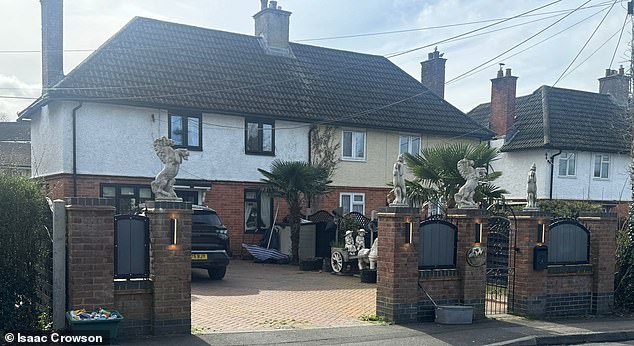
Planning documents revealed two formal objections from local residents. One objection specifically stated: “Brick wall of that height with horses [is] completely out of character for the road.”
Mr. Rawlings countered these arguments by asserting that the wall was intended to complement existing hedges and, crucially, to prevent his children from running into the busy road. He described the existing fences as insufficient for security, particularly with a large dog and young children in residence. “My driveway needs gates to keep my children safe. My property does not affect the street view at all,” he argued.
The dispute escalated to the independent Planning Inspectorate, which reviewed Mr. Rawlings’ appeal this month. Inspector Shaun Harrington upheld the council’s decision, describing the wall and statues as an “obvious, jarring urban feature” that clashed with the area’s established character. While acknowledging Mr. Rawlings’ concerns regarding discrimination and child safety, Mr. Harrington found no compelling evidence to justify the necessity of such a tall structure.
The Enforcement Notice
Consequently, an enforcement notice has been upheld, mandating the removal of the structures or their reduction in height to no more than one metre within a six-month period.
Previously, Mr. Rawlings had vowed to take his case to the press, labelling the council’s reasoning as “appalling.” He reiterated his belief that the family had significantly improved their property, making it “tidy and safe for our children,” and expressed hope that they would be allowed to keep the structures due to the substantial investment and the need for security. He warned that if the wall had to be dismantled, it would compromise security and leave the property looking like a “mess.”
When approached for comment, Mr. Rawlings’ wife, Paige, informed reporters that he was currently in prison. She maintained the family’s stance, stating, “We are being victimised. We are good neighbours. We are kind to people.” She insisted they had no intention of removing the statues and felt unfairly targeted by the reporting of their activities.