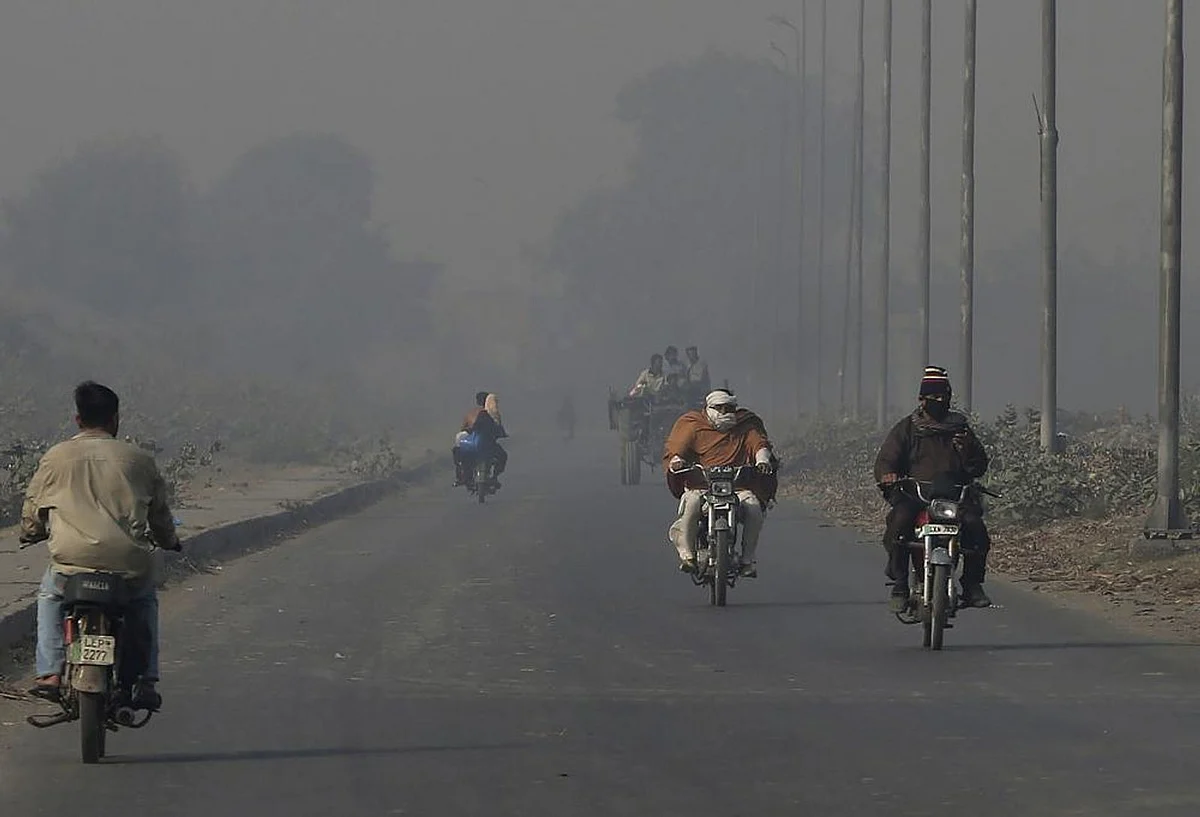
Dhaka Plagued by Severe Air Pollution, Ranking Among World’s Worst
Dhaka, the bustling and densely populated capital of Bangladesh, found itself once again grappling with a severe air quality crisis, registering as the third most polluted city globally on Monday morning. At 8:11 am, the city’s Air Quality Index (AQI) stood at a concerning 248, a reading that places its air squarely in the ‘very unhealthy’ category. This designation signifies a substantial health threat to the general population, underscoring the urgent need for action.
The AQI report revealed a grim picture of the air quality in major urban centres. While Dhaka registered a high AQI of 248, it was not alone in its struggle. Dakar, the capital of Senegal, topped the list with an alarming AQI of 380. Following closely was Doha, Qatar, with an AQI of 254. Cairo, Egypt, occupied the fourth position, recording an AQI of 246. These figures highlight a widespread challenge faced by major cities across different continents.
Understanding the AQI is crucial for assessing the impact of air quality on public health. The index provides a standardized measure, allowing residents to understand the level of pollution and its potential health consequences.
- 0-50: Good – Air quality is considered satisfactory, and air pollution poses little or no risk.
- 51-100: Moderate – Air quality is generally acceptable. However, there may be a risk for a very small number of people who are unusually sensitive to air pollution.
- 101-150: Unhealthy for Sensitive Groups – Members of sensitive groups may experience health effects. The general public is less likely to be affected.
- 151-200: Unhealthy – Everyone may begin to experience health effects. Members of sensitive groups may experience more serious health effects.
- 201-300: Very Unhealthy – This level indicates a serious health threat to everyone.
- 301+: Hazardous – This level signifies a severe health risk, prompting health warnings of emergency conditions.
In Bangladesh, the AQI calculation takes into account five primary pollutants that significantly impact air quality:
* Particulate Matter (PM10 and PM2.5): These microscopic particles can penetrate deep into the lungs and bloodstream, causing respiratory and cardiovascular problems.
* Nitrogen Dioxide (NO2): Primarily emitted from vehicle exhausts and industrial processes, NO2 can irritate the airways and worsen respiratory conditions.
* Carbon Monoxide (CO): A colorless, odorless gas produced by incomplete combustion, CO reduces the oxygen-carrying capacity of the blood.
* Sulfur Dioxide (SO2): Released from burning fossil fuels, SO2 can cause respiratory issues, particularly for those with asthma.
* Ozone (O3): Ground-level ozone is a major component of smog and can damage lung tissue.
Dhaka’s battle with air pollution is not a new phenomenon. The city has consistently struggled with poor air quality, a problem that typically intensifies during the winter months. This seasonal deterioration is often attributed to a combination of factors, including reduced wind speeds, which trap pollutants closer to the ground, and increased emissions from brick kilns and other industrial activities. Conversely, air quality tends to improve with the onset of the monsoon season, as rainfall helps to wash pollutants out of the atmosphere.
The global health implications of air pollution are stark. The World Health Organization (WHO) estimates that ambient (outdoor) air pollution is responsible for approximately seven million deaths worldwide each year. These fatalities are primarily linked to a range of serious health conditions, including stroke, heart disease, chronic obstructive pulmonary disease (COPD), lung cancer, and acute respiratory infections. The pervasive nature of air pollution means that its impact extends far beyond urban centres, affecting populations globally and posing a significant challenge to public health infrastructure and environmental sustainability. The recurring high rankings of cities like Dhaka underscore the urgent need for comprehensive strategies to mitigate pollution and protect the health of their citizens.