In the vast, sun-baked landscapes of Western Australia’s far north, communities often find their social fabric woven tightly around sporting clubs. From the roar of the crowd at a local Aussie Rules match to the thud of a basketball on a dusty court, sport has long been the primary avenue for connection, camaraderie, and even social standing. However, a quiet revolution is underway, with a burgeoning scene of gaming clubs – encompassing both traditional tabletop adventures and their digital cousins – offering new pathways for residents to forge friendships and build community.
A New Gathering Place: Board Games Nights
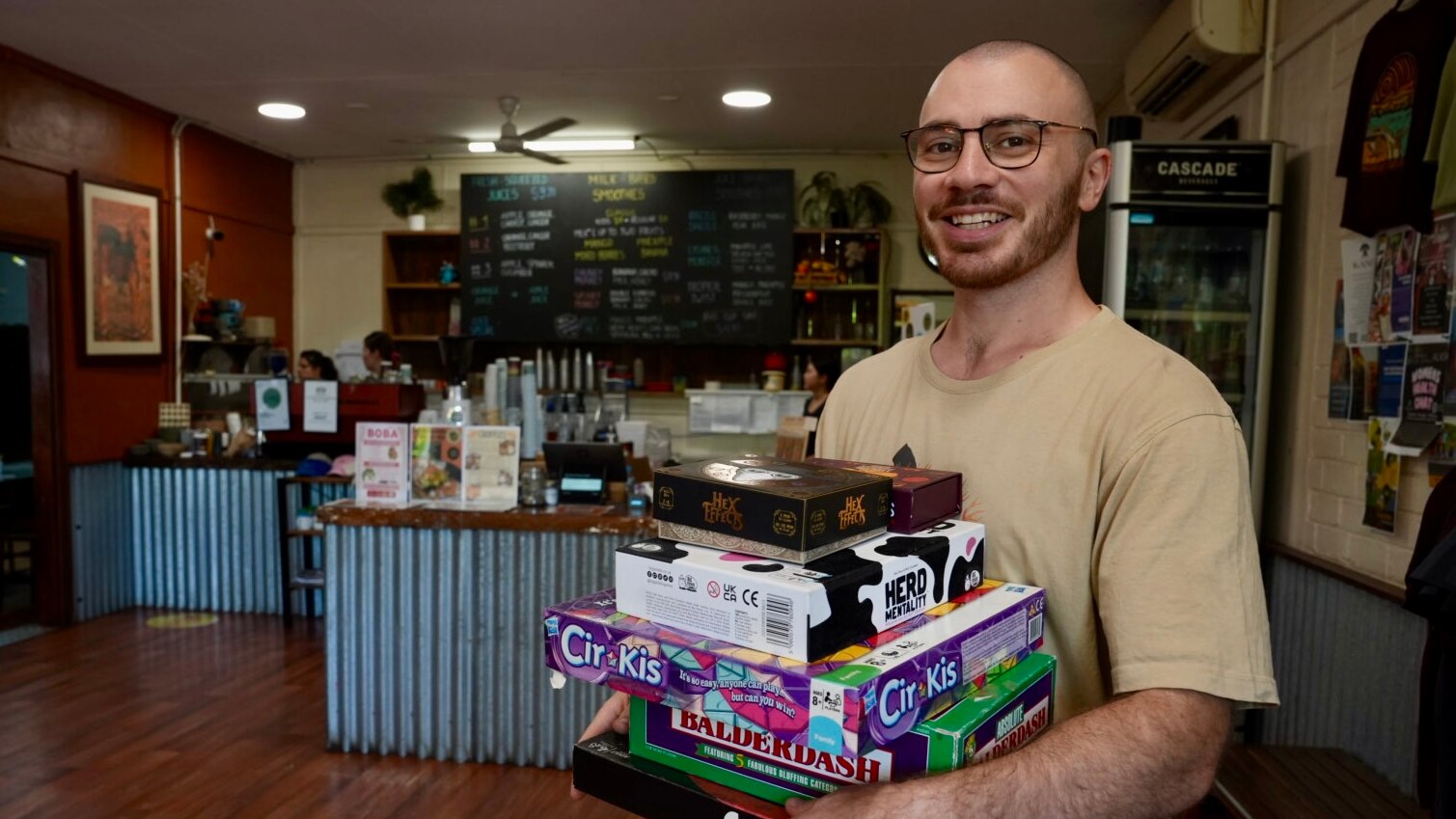
In Kununurra, a remote town nestled some 3,000 kilometres north of Perth, Zac Cederholm, the manager of Kimberley Cafe, has found a unique way to bring locals together. He hosts a weekly board games night, transforming his cafe into a hub for social interaction.
“I just wanted to give some of the people in town an opportunity to maybe do something else, meet some new people, and maybe find a new game that they enjoy,” Cederholm explained. His initiative has proven to be a resounding success, with the turnout steadily increasing since its inception.
The popularity of these evenings ebbs and flows, reflecting the dynamic nature of community events. “It kind of changes from each night to the next,” Cederholm noted. “Sometimes we might have close to a full cafe… our cafe can seat maybe 50 [to] 60 people.” On quieter nights, the numbers might dip to around 20, but Cederholm considers this a respectable turnout, highlighting the consistent engagement.
An Alternative to the Sporting Field: Minecraft Club
More than a thousand kilometres west, in the vibrant coastal town of Broome, a different kind of gaming club is making waves at the public library. Librarian Paula Blackman spearheads a weekly club dedicated to the immensely popular computer game, Minecraft.
Played by millions globally every day, Minecraft offers players a boundless canvas to construct their own digital worlds. It’s a game of creation, where users can build anything from sprawling farms to elaborate houses, while also incorporating elements of survival and combat.
Blackman’s club regularly attracts over 30 children, providing them with a valuable opportunity to connect with peers and, surprisingly, to develop essential digital literacy skills. “There’s some kids that join that have never used a keyboard before and they’re learning where all the keys are and how to type and then there’s others that are boss level commands,” she said, illustrating the diverse skill levels and learning opportunities present.
Crucially, these sessions have become a sanctuary for children with disabilities and those who find traditional social settings challenging. For them, the game offers a safe and engaging environment to thrive and build connections. Mark, a father of two boys with autism, shared how the club has been transformative for his children.
“My two kids both have autism and Minecraft is one of the joys in their life that they really get into,” he said. “It’s a great way for them to come and be around other people and connect through a game.” This sentiment underscores the power of shared digital experiences in fostering genuine social bonds.
Promoting Inclusivity Through Hobbies: Warhammer Enthusiasts
Back in Broome, the spirit of community extends to a more traditional, yet equally engaging, hobby. Peter Wark is one of several residents who gather monthly at an office supplies store to play and discuss Warhammer, a complex tabletop wargame.
The game centres around strategic battles using miniature figures representing armies and buildings. Players earn points by making calculated movements on the game board, aiming to outmanoeuvre their opponents. For many Warhammer enthusiasts, like Wark, the hobby extends beyond the battlefield to the meticulous art of painting the game’s intricate miniatures.
“Painting can take anywhere from 10 minutes a miniature to hours spent on a favourite centrepiece,” Wark explained, highlighting the dedication and artistry involved.
What makes Warhammer particularly accessible, according to Wark, is its adaptable nature. Unlike many board games that require specific setups, Warhammer can be played on virtually any surface, and its tactile elements make it suitable for individuals of all abilities. “They have been doing accessibility things in the hobby for a while now,” Wark noted. “The miniatures themselves are incredibly detailed so I don’t think it would be hard to distinguish between them.” This focus on inclusivity ensures that the hobby remains welcoming to a broad range of participants.
A Welcoming Space for All
Back at the Broome Library, Blackman reiterated the profound importance of these social gaming sessions, particularly for children who may not gravitate towards traditional sports.
“It’s just so good to see the kids that aren’t traditionally sports kids, that they have a place to come and meet their friends in real life but still play a game that they’re passionate about,” she stated with evident enthusiasm. “It’s a brilliant thing to have up here, particularly in a region which is so small but so big.”
As these gaming communities continue to grow and evolve across remote Western Australia, they are proving to be more than just pastimes. They are vital social connectors, fostering friendships, building confidence, and creating a sense of belonging in areas where traditional avenues for social interaction might be limited. The digital and miniature worlds are, in turn, enriching the real-world fabric of these unique communities.