Hong Kong Baptist University to Spin Off Continuing Education School as Private University of Applied Sciences
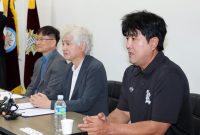
Hong Kong Baptist University (HKBU) is embarking on a significant transformation for its School of Continuing Education (SCE), with plans to establish it as an independent private university of applied sciences (UAS) by next year. This strategic move aims to foster greater agility and responsiveness to societal demands, according to Professor Alexander Wai Ping-kong, the university’s president.
Professor Wai highlighted that while public universities often navigate lengthy funding approval processes, a private institution can operate with increased flexibility. “HKBU will spare no effort to ensure the success of this future private university,” Wai stated. “In terms of finance or academics, we will fully support this future private university and university of applied sciences.”
A dedicated task force, spearheaded by Professor Wai himself, will oversee the SCE’s application for university status. The university is also considering financial instruments such as issuing bonds to support the school’s development, including its ambitious bid for UAS recognition.
A Phased Approach to University Status
The journey for the 51-year-old SCE involves a two-stage approval process. Initially, it will apply to become a registered post-secondary college, with an expected approval by the fourth quarter of this year. Following this, the school will pursue private university and UAS status in the subsequent year. Professor Ronald Chung Chi-kit, dean of the SCE, detailed this roadmap.
Professor Chung emphasized the unique positioning of the prospective institution. It is poised to be the only self-financing entity in Hong Kong backed by a University Grants Committee-funded university. Furthermore, HKBU’s campus in Zhuhai presents an opportunity for the new institution to offer valuable practical work experience within the Greater Bay Area.
A clear division of focus is envisioned:
* Hong Kong Baptist University: Will continue to concentrate on global fundamental research.
* The School of Continuing Education (as a UAS): Will prioritize applied research.
* The Zhuhai Campus: Will focus on national priorities.
Details regarding potential tuition fee adjustments or whether the new private university’s name will incorporate “HKBU” are yet to be finalized.
Investment and Academic Rigor
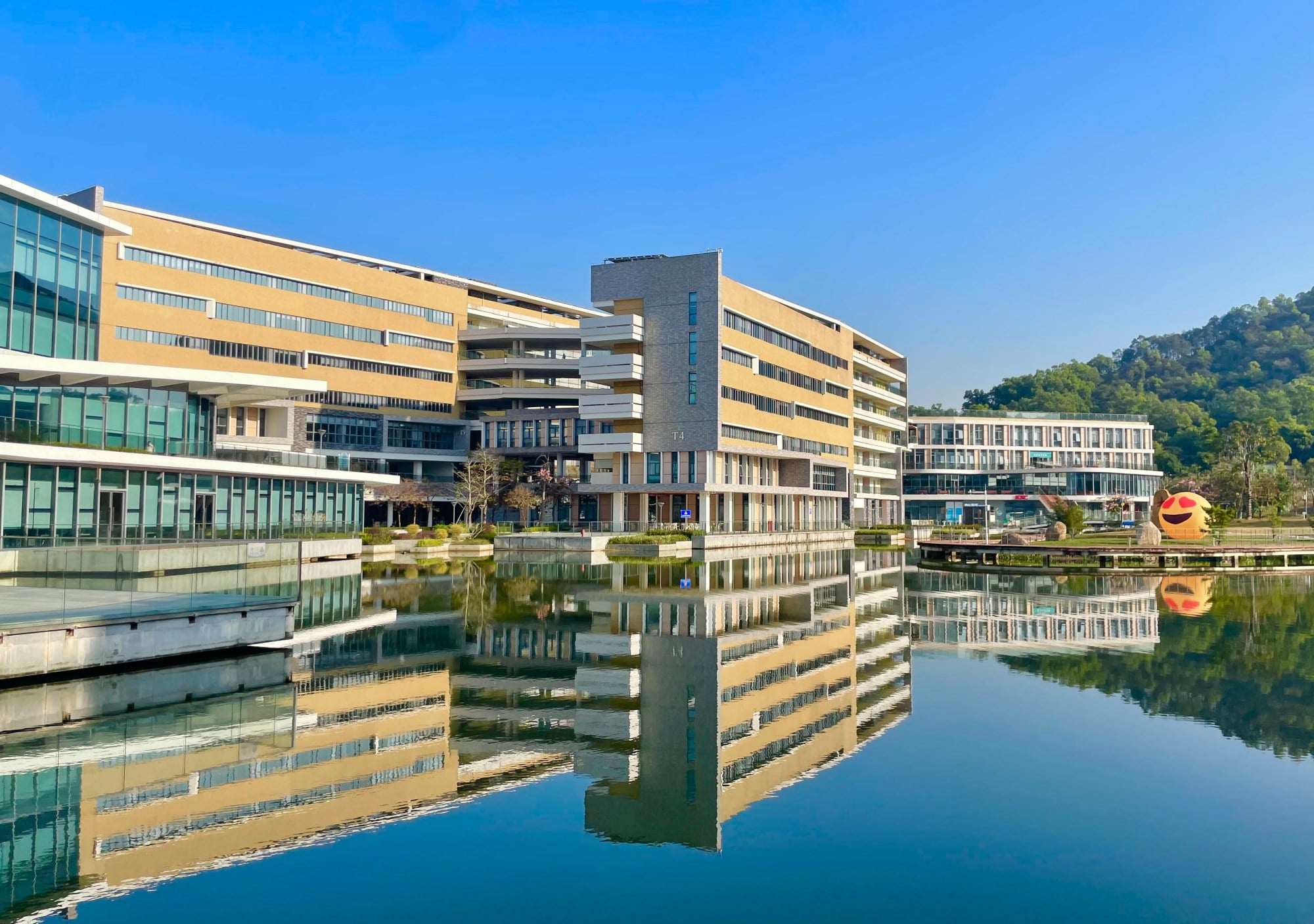
Significant investment has already been made to enhance the SCE’s facilities. The university has allocated over HK$100 million (approximately US$12.78 million) for campus upgrades in Shek Mun, with further resources earmarked to support the UAS bid.
Currently, the SCE serves approximately 6,000 students and employs 400 staff, offering a diverse range of programmes across disciplines such as arts and languages, business, media and communication, science, and social sciences.
To achieve university status in Hong Kong, institutions must meet stringent criteria, including:
* Obtaining Programme Area Accreditation (PAA) in at least three fields of study.
* Demonstrating robust research capabilities.
* Maintaining a minimum enrolment of 1,500 degree-level students for two consecutive years.
* Successfully passing an institutional review.
While the SCE currently does not hold PAA as it operates under the umbrella of HKBU, Professor Chung expressed confidence that it will secure PAA in multiple fields following its registration as a post-secondary college.
Alignment with University of Applied Sciences Model
The alignment of the SCE with the principles of a UAS is evident, according to Albert Chau Wai-lap, HKBU’s vice-president of teaching and learning. He pointed to the school’s industry-linked early childhood education programmes and film studies as examples that embody the practical, hands-on approach characteristic of UAS.
“The SCE meets UAS requirements,” Chau stated. “Our students have ample internships – a core element of applied disciplines.” He also noted that the University Grants Committee recognizes the SCE’s programmes as being on par with those offered by HKBU.
Hong Kong currently hosts four private universities: Hong Kong Metropolitan University, Shue Yan University, Hang Seng University, and Saint Francis University. The government’s support for granting self-financing institutions UAS status, as suggested by Chief Executive John Lee Ka-chiu in 2023, underscores a broader strategy to enhance the perception and standing of vocational and applied education. This initiative aligns with the global trend of recognizing the vital role of applied sciences in driving innovation and economic development.