
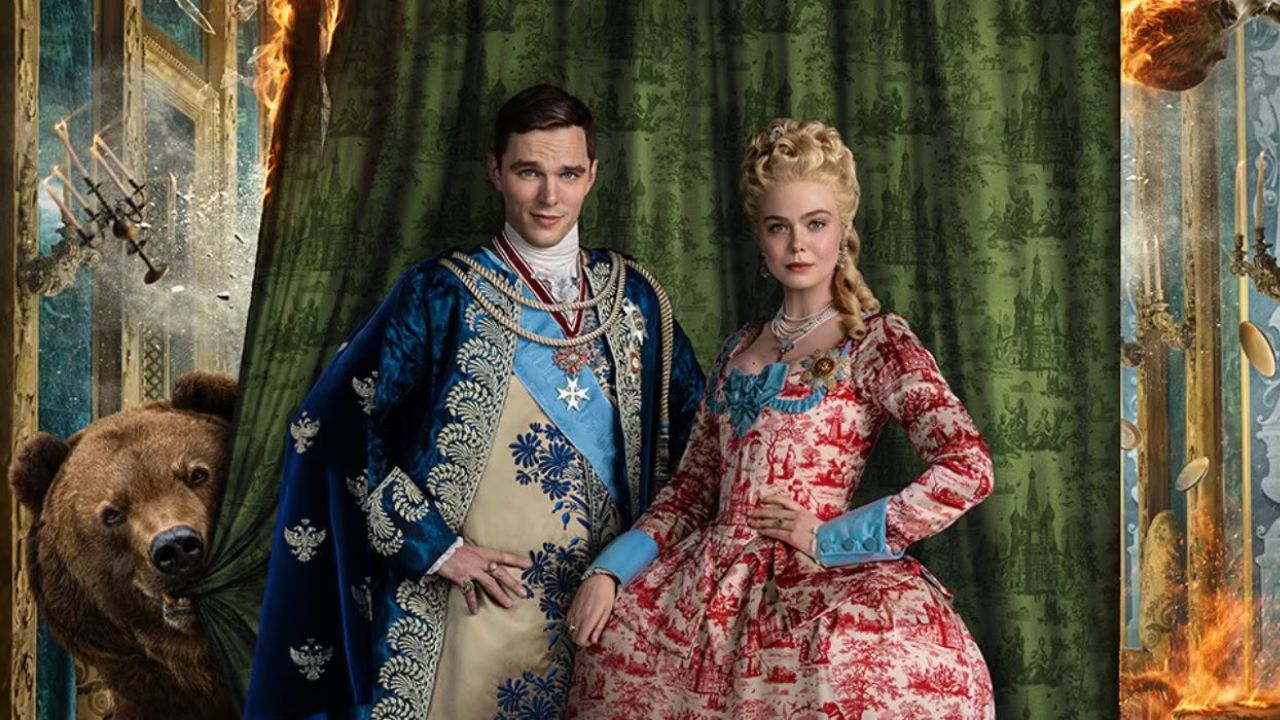
The Great: A Whirlwind Tour Through History’s Loosest Interpretations
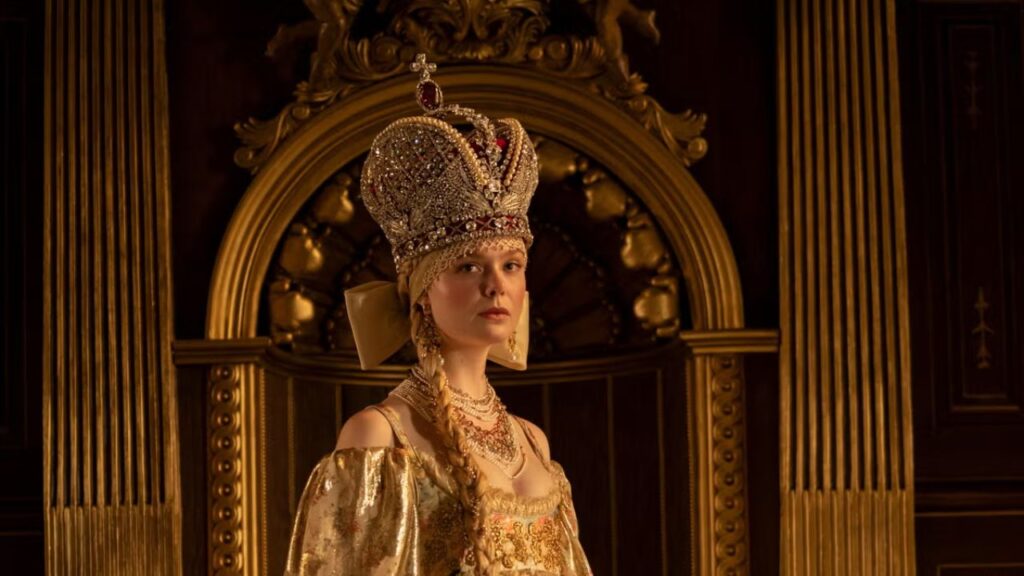
The acclaimed series, aptly subtitled “an occasionally true story,” makes no bones about its commitment to historical accuracy. Instead, it plunges headfirst into a witty, scandalous, and often absurd exploration of 18th-century Russia, focusing on the tumultuous relationship between Catherine the Great and Emperor Peter III. While the show is undoubtedly a masterclass in dark comedy and satirical observation, its bold departures from historical fact are what truly make it shine. Rather than being a documentary, “The Great” serves as a brilliant catalyst, encouraging viewers to delve into the real history themselves. Here, we uncover ten of the most significant historical reimaginings presented in this darkly comedic, absurdist take on the Russian court.
10. Catherine: The Accidental Inventor of Bowling?
In the series, faced with a distinct lack of stimulating activities, Catherine is depicted as the inventor of bowling. This playful fabrication, however, stands in stark contrast to reality. Bowling is one of humanity’s oldest pastimes, with evidence dating back as far as 5200 BCE. By Catherine’s era, bowling was already a well-established and popular form of recreation across Europe. The show’s assertion that she “invented” it is a humorous jab at the stifling boredom and rigid courtly etiquette she was forced to endure.

9. The Moscow Mule: A Transatlantic Tipple, Not a Russian Revelation
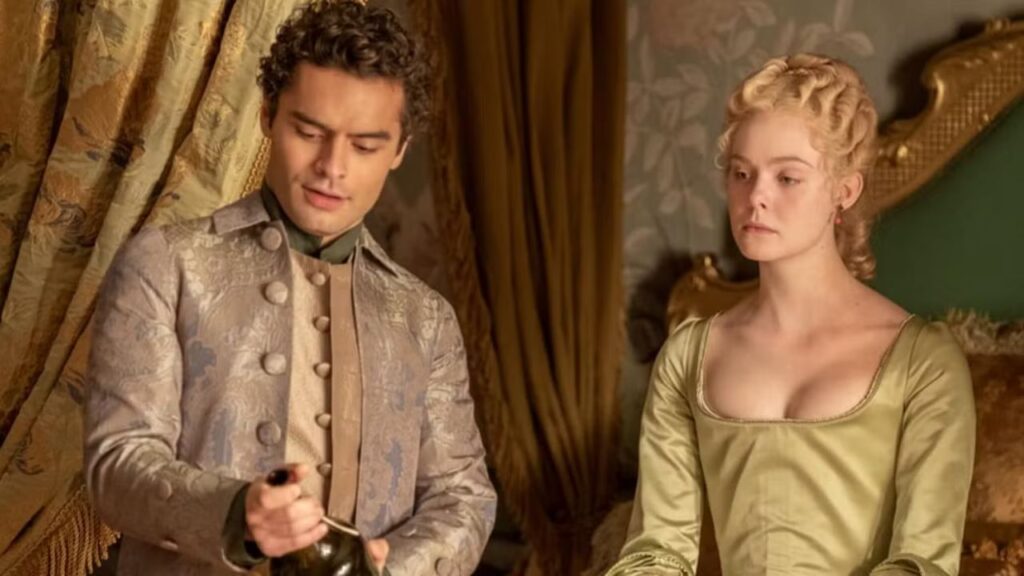
One of the show’s more delightful comedic moments involves Catherine’s lover, Leo, accidentally concocting the Moscow Mule. The inspiration strikes him as he watches Catherine ride away on a mule, leading him to pour ginger beer and vodka into his mouth, followed by a squeeze of lemon. The reality? The Moscow Mule, much like many iconic cocktails, is a 20th-century invention that originated in New York, bearing no connection whatsoever to imperial Russia.
8. Orlo: More Than Just a Political Pawn
Within the narrative of “The Great,” Orlo is portrayed as a pivotal figure in the political machinations behind the coup that saw Peter deposed in favour of Catherine. However, this is where the historical resemblance largely ends. In actuality, Grigory Orlov was indeed romantically involved with Catherine. The series conspicuously omits this significant aspect of their relationship, reducing Orlov to a mere revolutionary aide and stripping away any romantic entanglement.
7. Catherine’s True Love Interest Was Not Leo
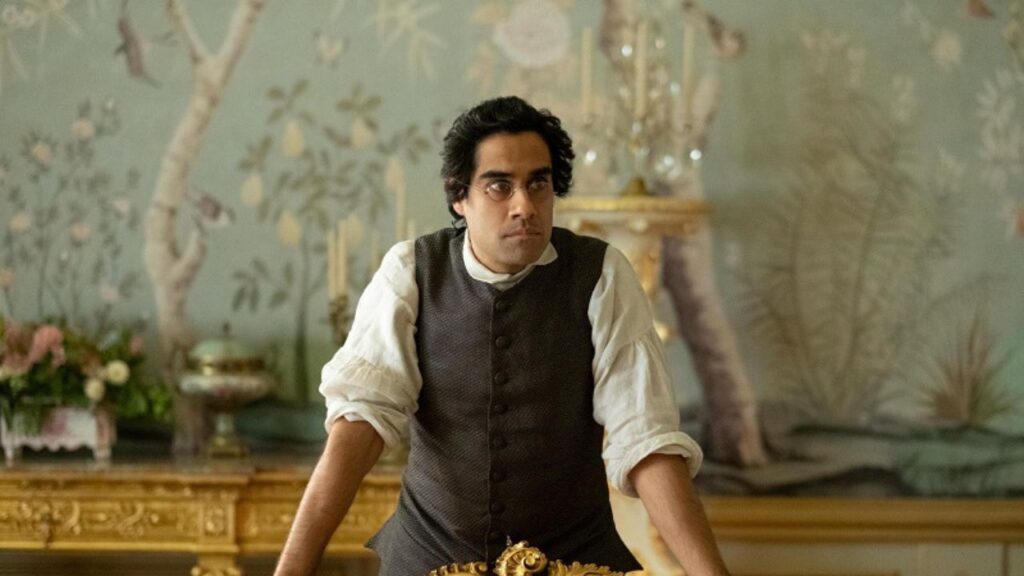
In a plot point designed to advance the narrative, Peter orchestrates a lover for Catherine, assigning Leo Voronsky to the role. While Catherine was known for her extramarital affairs, Leo was not her paramour. Her actual lover was Sergei Saltykov, a married man with whom she began an affair. Historical accounts suggest that Peter was far from pleased, allegedly punishing Sergei’s family upon discovering their liaison. Catherine went on to have other notable relationships but never remarried.
6. Catherine Was Not a Solitary Arrival
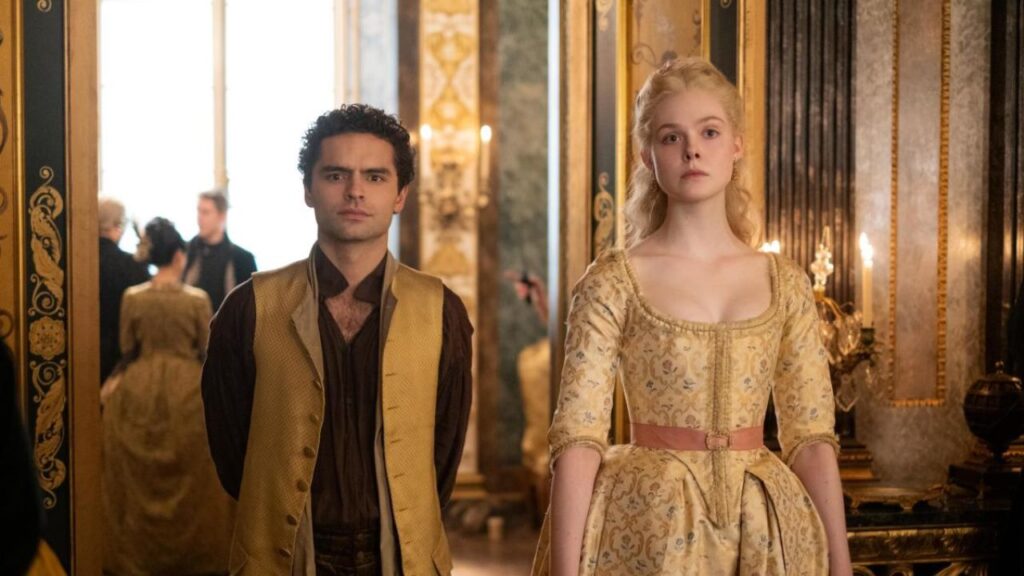
The series emphasizes Catherine’s isolation upon her arrival in Russia, making her vulnerability in the hostile foreign court a central plot point. This depiction of her solitary journey, however, is a significant deviation from the truth. Catherine was accompanied by her mother, who played a surprisingly influential role in court affairs. Her mother’s presence and involvement were so pronounced that they even irked Empress Elizabeth, who, despite her fondness for Catherine, strongly disliked her mother.
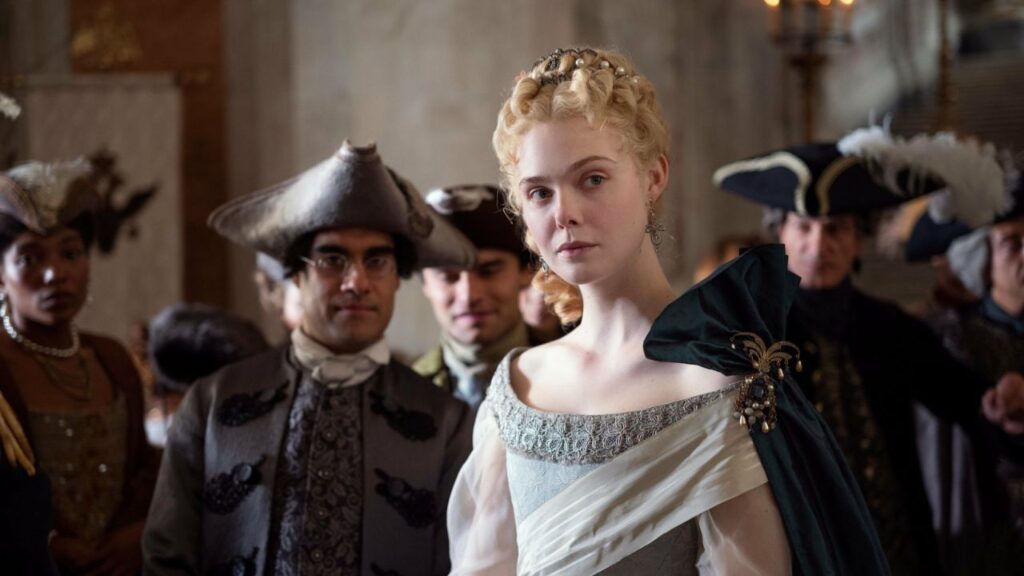
5. The Erasure of Aunt Elizabeth
A notable omission from “The Great” is Empress Elizabeth, Peter’s aunt. Elizabeth was the reigning empress at the time of Catherine’s arrival and played a crucial role in shaping the political landscape of the royal court. Her absence from the series was a deliberate choice by the writers to simplify the power dynamics for a broader audience. Furthermore, it provided an opportunity to explore Peter’s complex relationship with his mother.
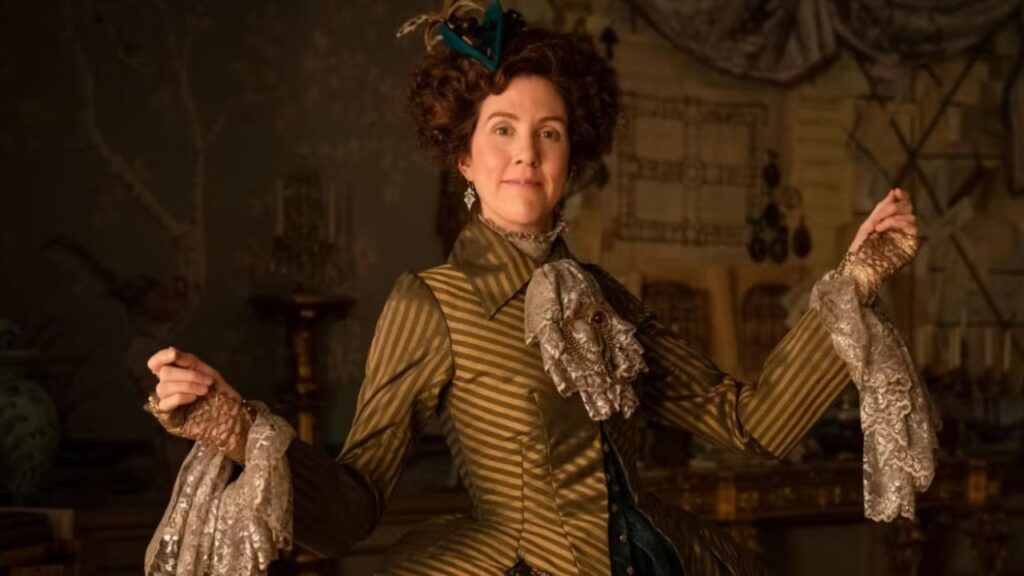
4. A Familiar Face: Peter and Catherine Were Cousins
One of the most memorable scenes in the show is the initial meeting between Peter and Catherine, where she is depicted as having no prior knowledge of her future husband. In reality, Peter was Catherine’s second cousin on her mother’s side. Catherine had met Peter when she was merely ten years old and reportedly took an immediate dislike to him. While this alteration makes their first encounter comically surprising, it significantly rewrites their pre-existing dynamic.
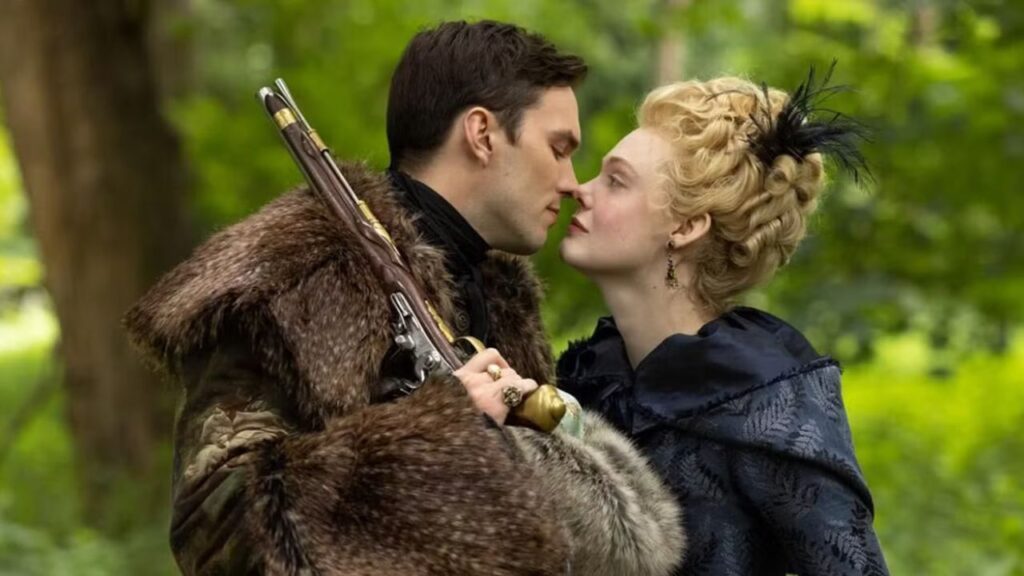
3. The Wedding: Not a Whirlwind Romance
Catherine’s marriage to Peter did not occur with the same alacrity as portrayed in the series. The show depicts their wedding taking place on the very night of Catherine’s arrival at the palace, a decision that expedites the plot and heightens the drama. In reality, a full year elapsed from her arrival before they were wed. Furthermore, the show’s portrayal of their struggles with conceiving is also fictionalized. The historical Catherine and Peter had a son and a daughter prior to the coup, though the paternity of one child remains a subject of historical debate.
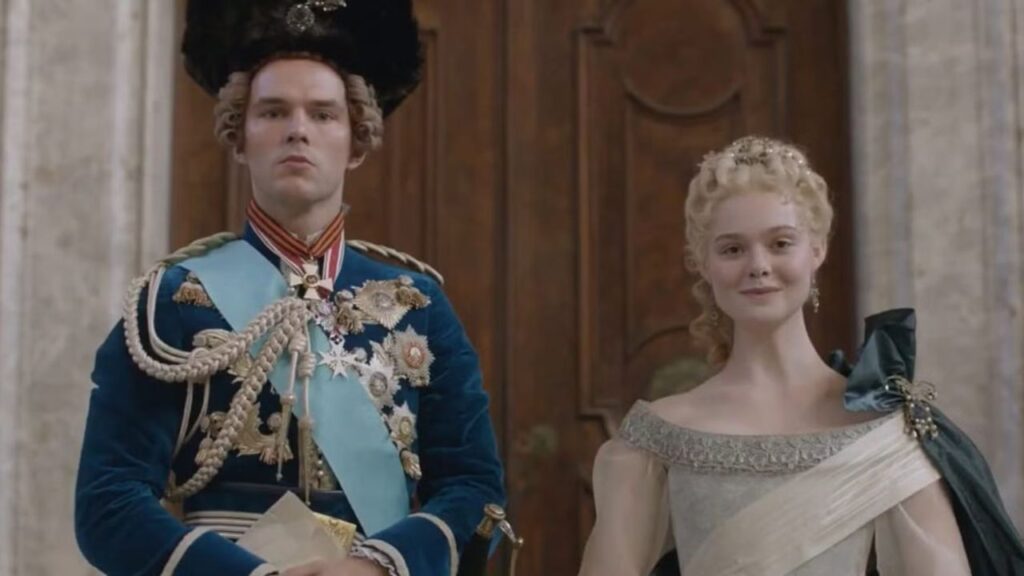
2. Peter’s Ascension: A Delayed Coronation
Similar to their marriage, the show compresses several key historical developments. Peter was not already the Emperor of Russia upon Catherine’s arrival and marriage. As previously mentioned, Empress Elizabeth held the throne. Peter only ascended to the emperorship after Elizabeth’s death, which occurred 18 years after Catherine’s arrival. This extensive fictionalisation was necessary to maintain character consistency and facilitate crucial plot points, such as actors remaining the same age.

1. The Coup: A Long Game of Power
The infamous coup that ultimately placed Catherine on the throne was not the swift event depicted in the series. In reality, it was a process that unfolded over two decades. During this extended period, the historical Catherine and Peter were already living separate lives. The show condenses this entire two-decade struggle into a single year, with the coup occurring in the same year Catherine arrives in Russia. Witnessing Peter and Catherine cohabiting during this tumultuous phase further amplifies the dramatic tension and the perceived secrecy of Catherine’s plans.




Leave a Reply