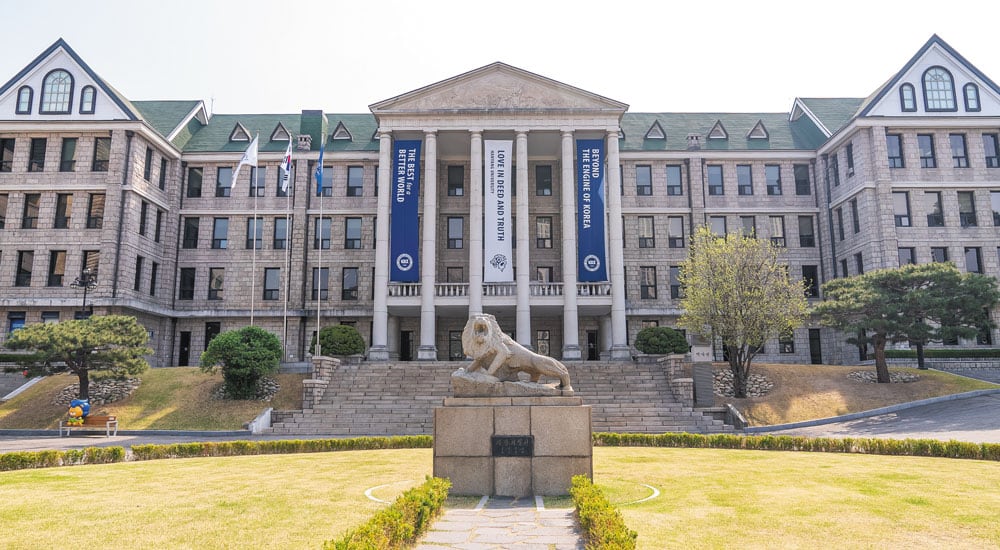
Hanyang University Pioneers Energy Conservation with Innovative Driving and Campus-Wide Initiatives
In response to persistent global energy supply disruptions and escalating costs, Hanyang University has taken a significant step, becoming the first private institution in South Korea to implement a voluntary ‘vehicle 10-day rotation system’ and bolster its energy-saving protocols across the entire campus. This comprehensive approach underscores the university’s commitment to navigating the current energy crisis while fostering a more sustainable academic environment.
The new measures, officially communicated to the university community on the 26th through a notice titled “Cooperation Request for Energy Conservation Practices and Participation in the Vehicle 10-Day Rotation System,” commenced on the 27th. The initiative seeks to unite faculty, staff, and students in a collective effort to mitigate energy consumption.
Understanding the Vehicle 10-Day Rotation System
The core of the driving initiative is the ‘vehicle 10-day rotation system.’ This system operates by restricting vehicle usage based on the final digit of a car’s license plate, thereby designating specific weekdays for driving. While the primary target is individuals who commute to campus using private vehicles, the university has stressed that participation is entirely voluntary, not compulsory.
However, the system incorporates several crucial exemptions to ensure accessibility and address specific needs. These include:
- Vehicles transporting individuals with disabilities.
- Cars carrying pregnant women or infants.
- Emergency service vehicles.
- Vehicles engaged in official government duties.
- Cars equipped with special equipment essential for work.
- Eco-friendly vehicles, such as those powered by electricity or hydrogen.
Comprehensive Campus-Wide Energy Reduction Strategies
Beyond the vehicular initiative, Hanyang University is implementing a broad spectrum of energy-saving measures that permeate all aspects of campus operations. These strategies are designed to create a more energy-conscious culture and significantly reduce the institution’s overall energy footprint.
Key campus-wide energy conservation efforts include:
- Optimized Climate Control: Heating and cooling systems will strictly adhere to government-recommended indoor temperature guidelines. This translates to maintaining 20 degrees Celsius during the winter months and 26 degrees Celsius during the summer.
- Strategic Lighting Reduction: The university will decrease lighting levels in communal areas, such as hallways, common rooms, and lobbies, to conserve electricity.
- Targeted HVAC Shutdown: Heating and cooling systems in unoccupied classrooms and offices will be turned off to prevent unnecessary energy expenditure.
- End-of-Day Power Management: A strict protocol will be enforced to ensure all non-essential power is switched off at the conclusion of the workday.
- Elevator Usage Guidance: Discouraging the use of elevators for short distances, particularly on lower floors, will promote stair usage and reduce elevator energy consumption.
- Investment in Efficiency: The university is expanding its use of high-efficiency equipment across various departments and facilities.
- Limiting Personal Devices: Restrictions will be placed on the use of individual heating and cooling devices within offices and personal workspaces.
- Promoting Public Transit: Incentives and information campaigns are being rolled out to encourage greater reliance on public transportation for commuting to campus.
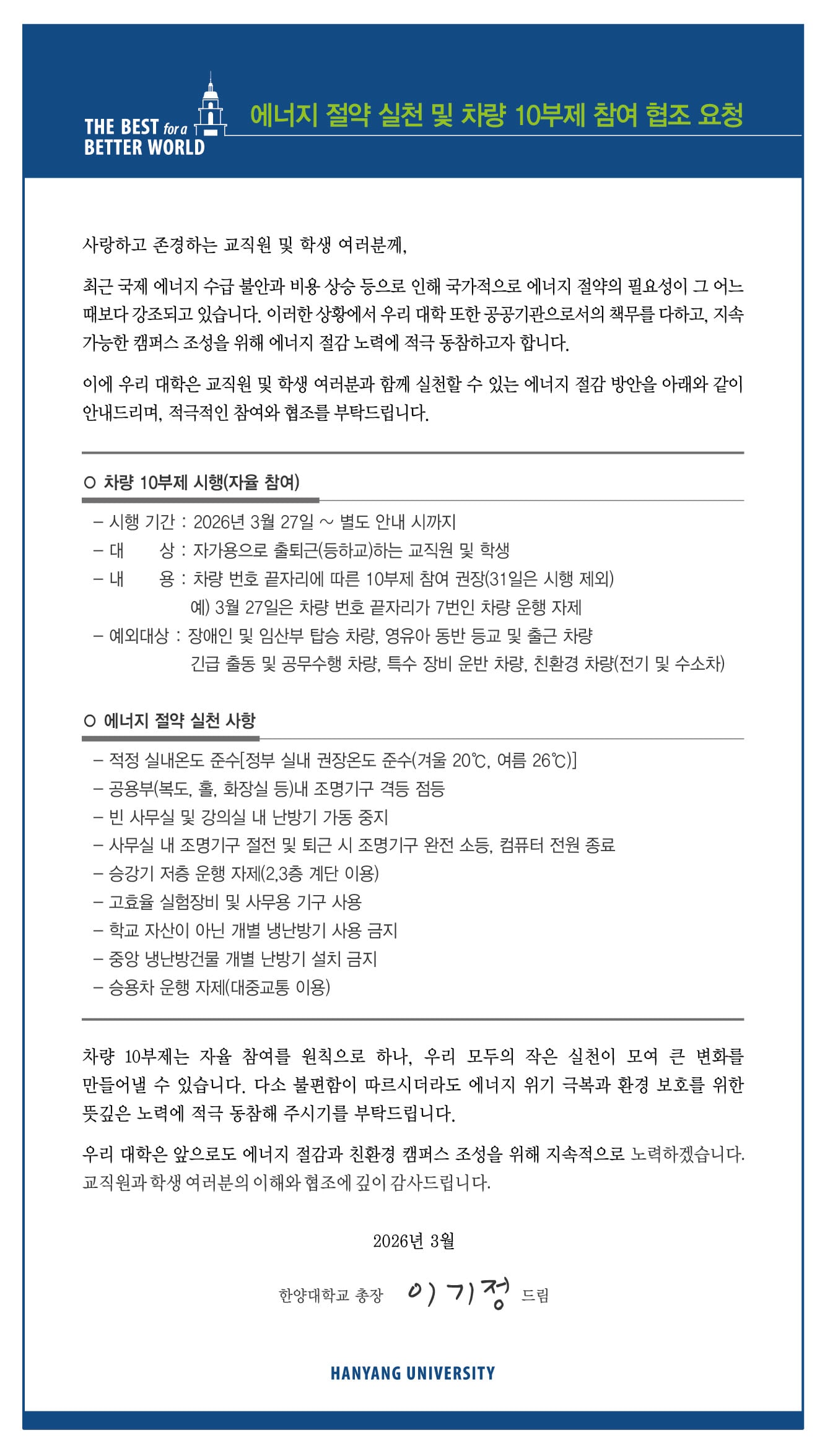
In an earnest appeal to the university community, Hanyang University President Lee Ki-jung articulated the vision behind these initiatives. He stated, “While participation is voluntary, collective efforts by every member can drive change. We urge the community to endure minor inconveniences and join us in overcoming the energy crisis and protecting the environment.”
The university has affirmed its dedication to the long-term success of these programs, with plans to continuously develop and implement further policies aimed at robust energy conservation and the advancement of a sustainable campus. This proactive stance by Hanyang University sets a precedent for other institutions grappling with the complexities of energy management in an increasingly challenging global landscape.