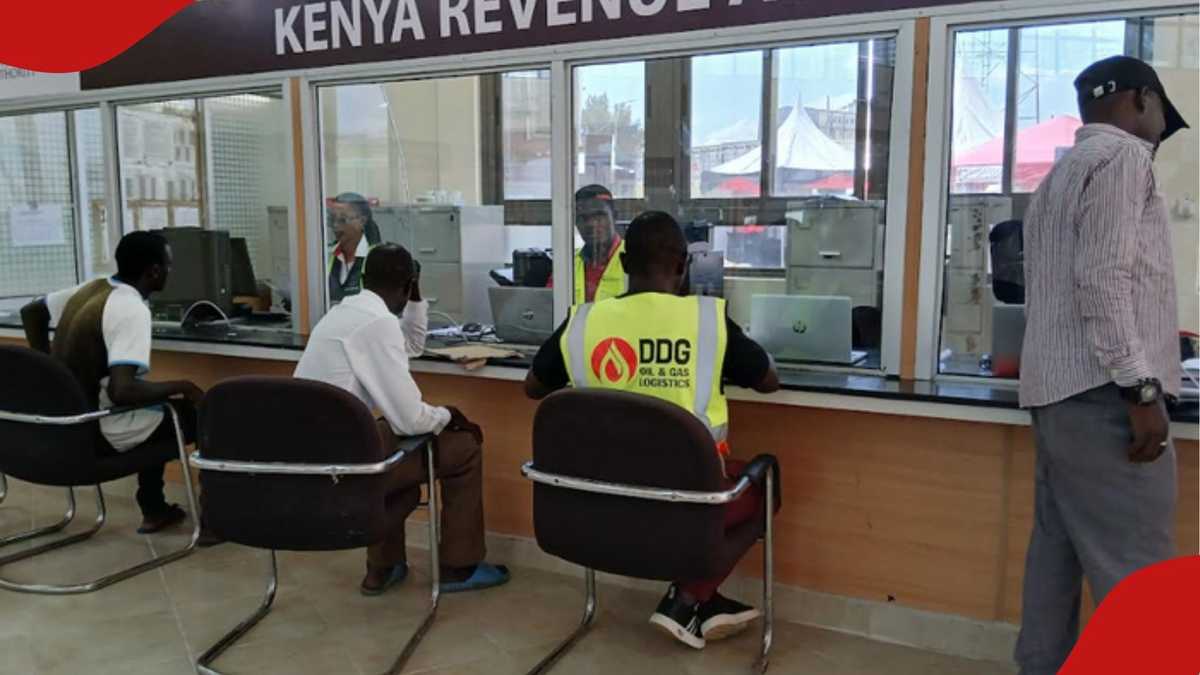
Kenya Revenue Authority Intensifies Scrutiny on Nil Return Filers with Enhanced Digital Systems
Nairobi – The Kenya Revenue Authority (KRA) is set to implement a more rigorous examination of individuals and businesses submitting nil tax returns, a move spurred by significant upgrades to its digital tracking and monitoring systems. This enhanced technological infrastructure is designed to more effectively identify and combat tax evasion by meticulously analyzing financial transactions.

The tax authority has recently deployed advanced software capable of detecting instances of tax fraud by closely monitoring financial flows and transactions across various accounts. This proactive approach aims to ensure greater compliance and fairness within the tax system.
During a public forum held in Hurlingham, Nairobi, on Tuesday, March 25, Maurice Oray, the Deputy Commissioner for Corporate Tax Policy, addressed concerns regarding the KRA’s updated procedures. He clarified that the authority has not outright prohibited the filing of nil returns. Instead, the system adjustments are specifically engineered to flag potential cases of tax evasion.
“We have not blocked nil filing,” Oray stated, emphasizing the adjustments made. “We have completed system reviews and adjustments for all taxpayers. There should not be any fear for anyone to file nil returns.”
However, Oray cautioned that any individual or entity claiming zero income while the KRA’s system indicates substantial earnings or financial activity during the period under review will be subjected to heightened scrutiny.
“The only thing you should know is that KRA has a lot of information on everyone,” he elaborated. “As you file returns, you probably did a transaction elsewhere. You sold something to somebody, and the data is with KRA, and they have information that this person was actually doing business. The same thing, we have bank accounts, KRA has details about those bank accounts. KRA has a lot of information.”
This intensified oversight follows a period of public concern sparked by the KRA’s temporary suspension of nil return filings on Friday, January 23. Oray indicated that this temporary measure was instrumental in refining their systems, placing the data of every taxpayer at the forefront of policy enforcement.
The core objective of these enhancements is to ensure that individuals and companies that declare no income are thoroughly evaluated based on their actual transaction data.
“We are not stopping you from filing nil, but we will also inform you that you carried out this transaction and you can’t file nil,” Oray explained. “What we have decided to do going forward is to pre-file the returns for you so that we ask you to confirm that you earned this income. If you say, no, we can ask you to justify.”
Key Implications for Taxpayers
- Increased Transaction Monitoring: The KRA’s new software provides a comprehensive view of financial activities, making it more difficult to conceal income.
- Data-Driven Assessments: Tax assessments will increasingly rely on transaction data collected by the KRA, including sales, bank account details, and other financial engagements.
- Potential for Pre-Filed Returns: In cases where the KRA has sufficient data indicating income, taxpayers may find their returns pre-filed, requiring them to confirm or contest the reported earnings.
- Justification for Nil Returns: Filers of nil returns will need to be prepared to provide clear justifications if their declared income contradicts their transactional data.
This strategic shift by the KRA underscores a commitment to leveraging technology to ensure a more robust and equitable tax collection system, encouraging greater transparency and accuracy from all taxpayers. The authority’s message is clear: while nil returns are still permissible, they will be subject to a significantly higher level of verification.