Gold and Silver Prices See Modest Decline in Kathmandu
Kathmandu, Nepal – March 26 – Consumers looking to invest in precious metals in Nepal’s capital experienced a slight decrease in prices on Thursday. Both gold and silver saw modest dips, offering a potential window for savvy buyers.
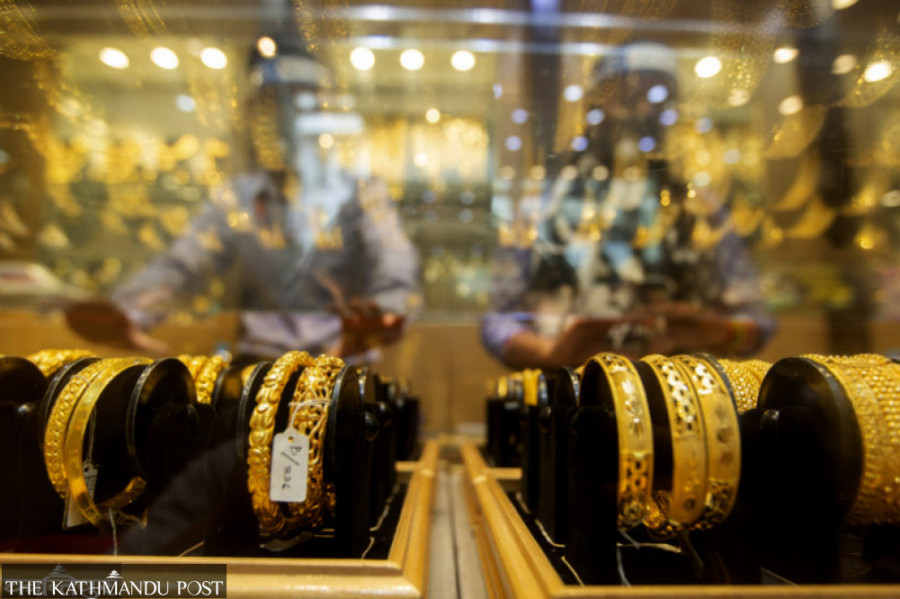
The Federation of Nepal Gold and Silver Dealers Association reported that the price of fine gold saw a reduction of NPR 2,900 per tola (approximately 11.663 grams). This brings the current trading price of fine gold to NPR 285,600 per tola.
Silver also experienced a downward adjustment, albeit a more modest one. The price of silver fell by NPR 100 per tola, settling at NPR 4,820 per tola. This marks a slight decrease from its previous day’s trading value.
For comparative context, on Wednesday, the price of fine gold stood at NPR 288,500 per tola. Silver, however, remained stable on Wednesday at NPR 4,820 per tola, indicating that its price adjustment occurred specifically on Thursday.
Understanding the Market Dynamics
These fluctuations in the local Nepali market are often influenced by a confluence of global and domestic factors. While the provided information focuses on the immediate price movements, several underlying elements typically contribute to such shifts.
- Global Commodity Prices: The international market for gold and silver plays a significant role. When global prices rise, they tend to exert upward pressure on domestic prices, and vice versa. Factors such as geopolitical instability, inflation concerns, and currency valuations on the world stage can all impact the international spot prices of these precious metals.
- Currency Exchange Rates: The Nepali Rupee’s exchange rate against major international currencies, particularly the US Dollar, is another critical determinant. Since gold and silver are typically priced in US Dollars on the global market, a weaker Nepali Rupee against the Dollar will generally lead to higher domestic prices for these commodities, assuming other factors remain constant. Conversely, a stronger Rupee can help to moderate or even decrease local prices.
- Domestic Demand and Supply: Local demand from consumers for jewelry, investment, and industrial applications, coupled with the available supply from domestic sources and imports, also shapes the market. During festive seasons or periods of economic uncertainty, demand for gold often surges, potentially driving prices up. Supply chain disruptions or changes in import policies can also influence availability and, consequently, prices.
- Monetary Policy and Interest Rates: Central bank policies, both domestically and internationally, can indirectly affect gold prices. Higher interest rates, for instance, can make interest-bearing assets more attractive, potentially drawing investment away from non-yielding assets like gold, thus putting downward pressure on its price.
- Speculative Trading: Like many commodities, gold and silver markets are subject to speculative trading. Large-scale buying or selling by investors anticipating future price movements can create short-term volatility.
International Benchmarks
Globally, gold was trading at approximately USD 5,170 per ounce, while silver was priced at around USD 85 per ounce, according to international media reports. These global figures provide a benchmark against which local prices can be assessed, factoring in the aforementioned currency exchange rates and local market premiums or discounts.
The slight decline observed on Thursday suggests a current trend of either softening international prices, a strengthening Nepali Rupee, or a combination of these and other market forces. For individuals considering gold and silver as an investment or for personal use, monitoring these price movements and understanding the broader economic context is crucial for making informed decisions. The precious metals market is dynamic, and prices can shift rapidly in response to evolving global and local conditions.