Electric Vehicle Market: Navigating the Lure of Steep Discounts
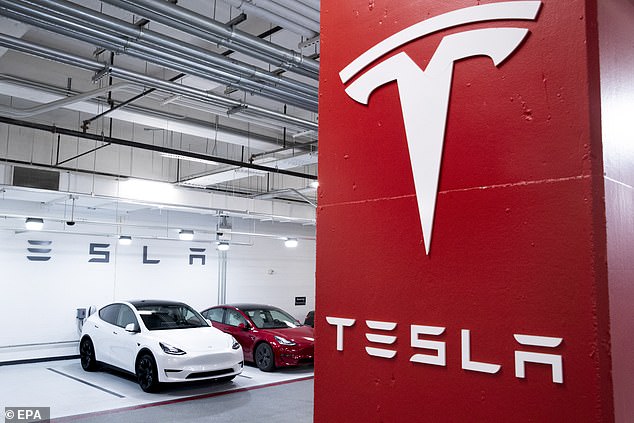
The electric vehicle (EV) landscape is currently presenting a picture of unprecedented affordability. Prices are undergoing significant reductions, with some discounts now eclipsing the value of former federal tax credits, precisely when escalating fuel costs are making the prospect of ditching gasoline-powered vehicles more attractive than ever. Major manufacturers are actively participating in this price war. Tesla has implemented a $1,400 price cut on its Model 3, while competitors are offering even more substantial incentives. Kia, Toyota, and Hyundai are enticing buyers with deals worth thousands, including lease support reaching up to $18,300 and financing incentives of up to $10,000.
For many consumers, this appears to be the opportune moment to transition to electric mobility. However, an industry insider is urging potential buyers to exercise caution, suggesting that these seemingly attractive “bargains” could ultimately lead to unforeseen expenses.
The Insider’s Perspective: Overpriced and Oversupplied
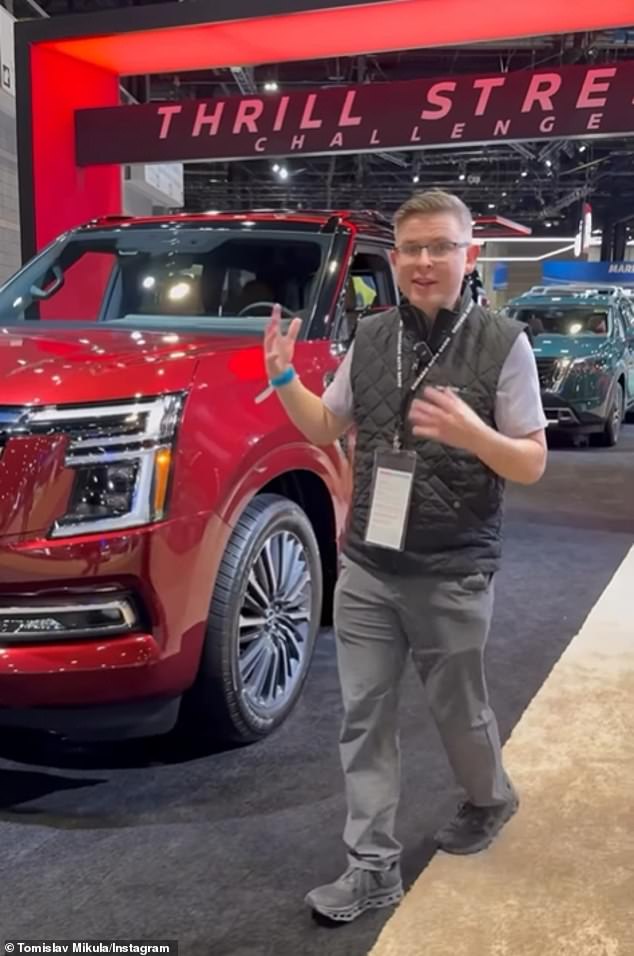
Tomislav Mikula, who possesses a deep understanding of the automotive industry from his five years working at a dealership, followed by his expertise in sales and finance, now leads Delivrd, a service dedicated to negotiating car deals on behalf of consumers. According to Mikula, the current value proposition for many EVs is simply not compelling.
“These cars are simply overpriced – and nobody’s buying them,” Mikula stated. “The only way to move them is with heavy discounts.”

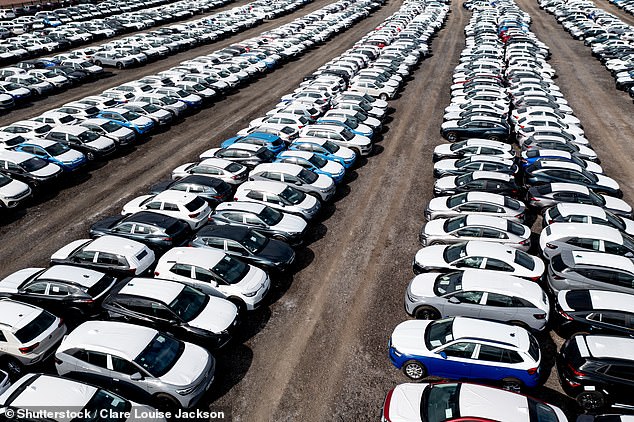
The impact of the removal of the $7,500 federal tax credit in December, which reduced the amount owed to the government by EV buyers, has been palpable. Data from S&P Global Mobility indicates a significant 41 percent drop in EV registrations in January compared to the previous year. Mikula emphasizes the importance of understanding the underlying reasons for this sales difficulty.
Unpacking the Discounts: Inventory and Demand
A primary concern highlighted by Mikula is the issue of steep depreciation affecting many EVs, leading to a substantial loss of value within a few short years. This often translates into inflated inventories. “If a company is sitting on a lot of inventory, that’s actually a red flag,” Mikula explained.
Excess supply, he elaborated, is a strong indicator of weak consumer demand. This forces manufacturers to resort to deeper discounts and more aggressive incentives to stimulate sales. “That’s typically when incentives show up in the first place,” he added.
This dynamic also sheds light on why certain automotive brands seldom offer discounts. “That’s why you don’t see incentives on brands like Lexus or Toyota – they’re selling,” Mikula observed. “The ones offering big discounts are usually the ones struggling to move inventory.”
Quality Concerns and Rushed Market Entry
Beyond pricing, the quality of electric vehicles is emerging as a critical factor, particularly for consumers not considering luxury brands like BMW or Lucid. Some automakers, driven by political pressure and lucrative government incentives to embrace green initiatives, have rushed their electric models to market.
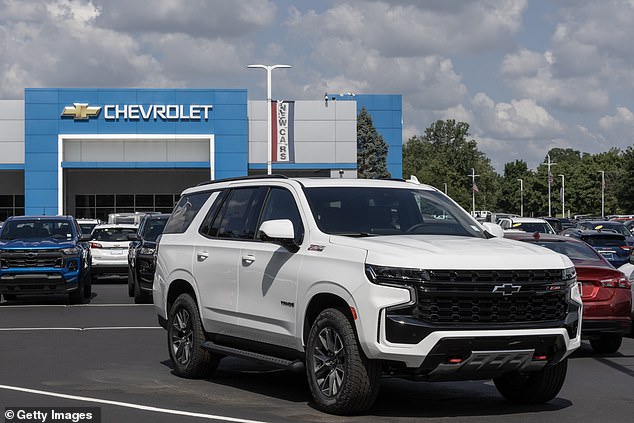
“Chevy is a good example of that,” Mikula noted. “They pushed EVs out quickly, and now they’re struggling to sell them.” He characterizes the current EV market as a “mixed bag” in terms of quality, stressing the need for thorough consumer research. “Not every EV is built the same, and not every one is worth the price.”
While data suggests that charging EVs at home can be significantly cheaper than fueling a gasoline car and that EVs generally require less mechanical maintenance, the allure of substantial discounts may mask underlying issues.
Decoding Manufacturer Incentives
Mikula differentiates between two primary approaches manufacturers are taking with incentives:
- Leveraging Past Credits: A significant portion of manufacturers had pre-purchased inventory when the federal tax credit was still in effect. They are now applying these benefits to leases, as leasing structures allow them to effectively replicate the impact of the former credit.
- Addressing Overpricing: The majority of manufacturers are now in a position where their vehicles are simply priced too high. With insufficient demand at these price points, heavy discounting becomes the only viable strategy to liquidate existing inventory.


Dealerships and the Path Forward
Meanwhile, dealerships are largely maintaining their pricing strategies, awaiting manufacturer-driven incentives rather than implementing their own price reductions. This approach is rooted in the fact that dealerships are not responsible for production or initial pricing decisions.
Consequently, Mikula advises consumers to approach EV purchases with a degree of skepticism. EVs that are not accompanied by substantial incentives are likely overvalued and may not represent a prudent investment. His advice is clear: “If you’re not seeing strong incentives on an EV, I wouldn’t buy it.”
The Hybrid Alternative
For buyers seeking the most value for their money, Mikula suggests looking beyond fully electric vehicles and considering hybrid models. “Hybrids are absolutely worth it right now – not plug-in hybrids, but standard hybrids,” he recommended. “That’s where the technology has really improved to the point where, in many cases, it’s better than traditional gas cars.”