Rising Costs and Risks of Copper Theft in Queensland
Copper theft is becoming a growing concern across Queensland, with local councils facing significant financial burdens and public infrastructure being disrupted. The crime not only causes damage to essential services but also poses serious risks to public safety.
Authorities have highlighted that the impact of copper theft extends beyond just financial costs. It leads to outages in lighting, communications, and community facilities, affecting daily life for residents. In some cases, the theft has even resulted in injuries and fatalities, underscoring the severity of the issue.
A Localized Crime with Wide-Ranging Consequences
Queensland Police Assistant Commissioner Matthew Vanderbyl described the thefts as largely opportunistic rather than highly organized. However, the effects have been substantial, particularly in the southern region, which includes Ipswich and Toowoomba. Over the six months leading up to May 2026, there were approximately 51 reported incidents of copper theft in this area.
Vanderbyl emphasized that the crime is driven by individuals seeking quick cash by selling stolen copper to scrap metal merchants. This type of crime is often localized, and police have dedicated units working to address it.
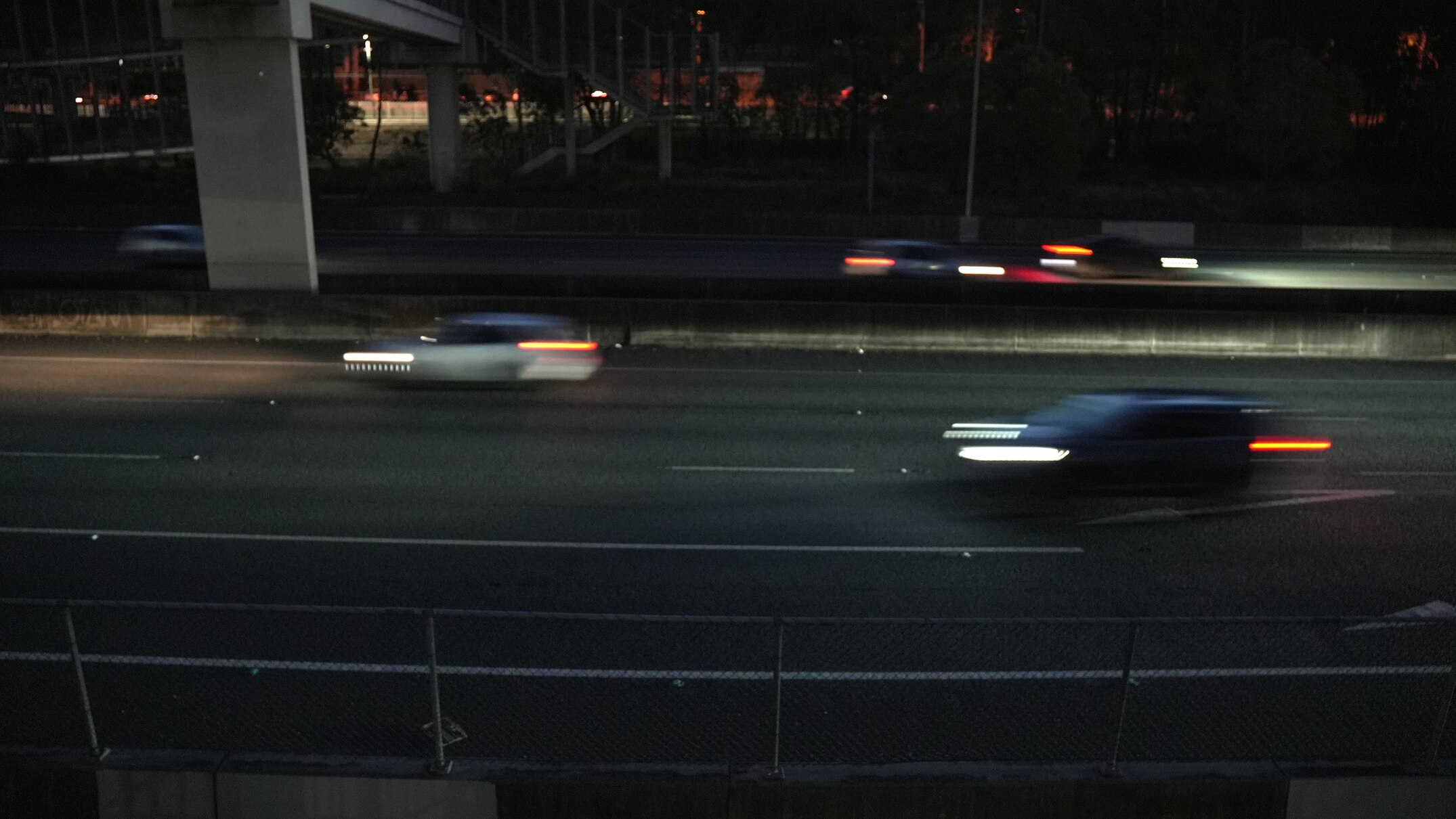
Thefts have caused repeated disruptions in south-east Queensland, including streetlight outages on major roads in Logan and Ipswich. Recent observations in the Ipswich region revealed exposed electrical pits and damaged infrastructure along a walking route beside a major highway. Fencing around locked electrical enclosures had been cut open, indicating the vulnerability of these areas.
Further north, telecommunications infrastructure was disrupted just north of Townsville on the eve of Tropical Cyclone Koji in January, highlighting the potential for additional risks during severe weather events.
Financial Burden on Councils
Alison Smith, CEO of the Local Government Association of Queensland (LGAQ), stated that copper theft has been a persistent issue for councils throughout the state. She noted that every time such a crime occurs, it results in millions of dollars in costs for communities.
“Nine times out of 10, it will come down to councils having to foot the bill,” Smith said. “It cripples communications networks. It sabotages sporting equipment, playgrounds.”
In response, the Queensland government introduced legislation earlier this year aimed at strengthening penalties for metal theft. The reforms include new offences related to the possession of suspected stolen metal items and place additional obligations on scrap metal dealers to prevent the resale of stolen copper.
Police Minister Dan Purdie emphasized that the changes are designed to deter offenders and strengthen enforcement. “Like all crime, copper theft does have an impact on our community,” he said. “We are going to make sure we have more police, and they are armed with the laws they need to crack down on that sort of crime.”
Smith welcomed the reforms, stating that without deterrents, the behavior is likely to continue. She added that councils are exploring technological solutions to reduce risk and improve the resilience of public infrastructure.
Solar-Powered Lighting as a Potential Solution
Malcolm Richards from the Lighting Council Australia suggested that solar-powered street lighting could help reduce the vulnerability of infrastructure to copper theft. He explained that when copper is stolen from the ground, it is a costly and time-consuming process to replace.
“Increasingly, existing technologies including solar streetlights have become very viable in circumstances,” Richards said. He noted that solar lighting systems are becoming more attractive for councils as costs fall and efficiency improves, especially for streets, parks, and shared pathways.
Richards pointed out that private developments are already using the technology, and major projects are underway in the United States to install solar streetlights to combat copper theft. He explained that the wiring in solar systems is located at the top of the pole, making it harder for thieves to access.
However, he acknowledged that up-front installation costs remain higher than traditional systems, and battery replacement is still required over time, despite improvements in battery technology. Despite this, the lack of ongoing electricity costs and reduced maintenance make solar lighting an increasingly viable long-term option for councils looking to reduce exposure to copper theft.
Infrastructure Improvements Underway
The Department of Transport and Main Roads has been working to restore outages in high-risk areas of motorways. This includes the installation of theft-resistant infrastructure, such as aluminium cabling and more secure cable pits. These measures will be included in upcoming works on the M1 and Ipswich Motorway, aiming to enhance the security of critical infrastructure.