Gen Z Navigates the Digital Minefield: Combating Disinformation Ahead of National Elections
In an increasingly digital age, the influence of social media on political discourse is undeniable. As nations approach crucial electoral periods, a significant focus is being placed on younger demographics, particularly Generation Z, who are highly active on social platforms. Recognizing the potential impact of misinformation and disinformation on this key swing voter group, digital platforms and educational initiatives are stepping up to equip young citizens with the tools to discern fact from fiction.
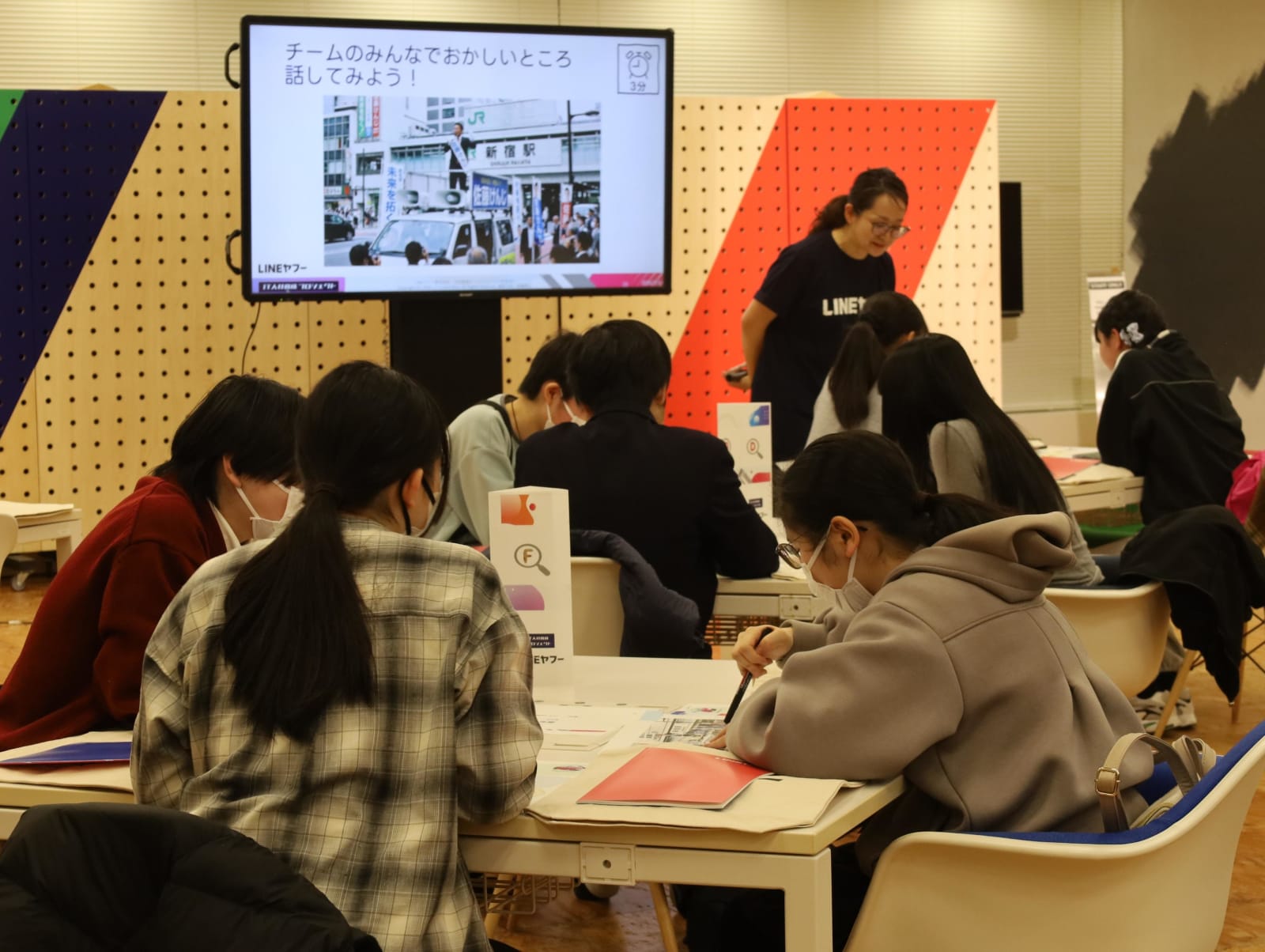
A recent workshop in Tokyo highlighted the growing concern surrounding the proliferation of “fake news” and its sophisticated manifestations, such as deepfakes and AI-generated content. Approximately 20 junior high and high school students engaged in interactive sessions designed to foster critical thinking about information sources. The curriculum emphasized the importance of verifying data and seeking out primary sources, especially as artificial intelligence blurs the lines between reality and fabrication.
Participants were tasked with analyzing real-world examples, including images crafted by generative AI, composite images pieced together from multiple sources, and content that had been deliberately edited to mislead. Discussions also delved into the risks associated with fake online personas and accounts designed to spread propaganda or deceive the public.
One striking exercise involved presenting participants with an apparently authentic photograph of a political candidate delivering a speech from atop a campaign vehicle in front of Shinjuku Station. This seemingly credible image, however, was an AI creation. Attendees were challenged to identify subtle discrepancies, such as misspelled station names and fabricated banners on a building’s facade. The difficulty in spotting these inaccuracies was a sobering realization for many.
“I couldn’t find any errors in those AI-generated images. It made me realize I may have overestimated my ability (to spot fake news),” confessed an 18-year-old high school senior, preparing to cast her first vote in an upcoming general election. She added, “With the election approaching, I want to sort through information while fact-checking it.”
The urgency of this educational push is underscored by alarming statistics. A survey conducted by LY Corp., the operator of the popular Line messaging app and an organizer of the workshop, revealed that a substantial 87 percent of respondents believed they had encountered disinformation or misinformation. More concerningly, 54 percent admitted they might have been influenced by such content. The survey also highlighted a significant gap in public awareness and education, with 88 percent of participants pointing to a lack of efforts to address the issue.
Political Landscape and the Youth Vote
As national elections loom, political parties are intensifying their efforts to connect with a broader electorate, leveraging the speed and widespread reach of social media. The ability to sway unaffiliated voters is considered paramount in the race for political power. Current media projections suggest that the ruling coalition may secure a majority in the national legislature, while opposition parties face the considerable challenge of expanding their voter base.
Japan’s decision to lower the voting age to 18 in 2016 aimed to engage younger citizens in the democratic process. However, turnout among teenage voters has historically lagged behind that of other age groups. While major political entities embrace social media as a tool for outreach, they are also acutely aware of its potential downsides. The Ministry of Internal Affairs and Communications has formally requested platform operators to act swiftly in removing harmful content during the election period.
“Fake news has become a social issue,” stated Narumichi Oyama, a manager at LY, emphasizing the growing societal impact. He further commented on the evolving digital landscape: “Although younger generations, including junior and senior high school students, appear adept at using social media and AI, it remains quite questionable whether education has kept pace with the growing influence of social media and the evolution of AI.”
The Challenge of Verification
Further evidence of the widespread nature of misinformation sharing comes from a 2025 survey by the communications ministry. This study, which garnered responses from approximately 2,800 individuals aged 15 and above, indicated that roughly half of those in their teens to thirties who had encountered false or misleading information admitted to sharing it in some form.
Oyama elaborated on this trend: “Most people vaguely know that fake news is terrifying and they need to be careful not to be misled, but relatively few students, particularly those in their teens, pursue the truth and verify (the information) on their own.” He stressed the importance of developing these skills, particularly as young people prepare to become active participants in society and the electorate. “As they will soon become voters and are expected to contribute to society, they should do so to filter out various noises and purely benefit from social media, the internet or AI,” he concluded. The ongoing efforts to educate and empower young voters are crucial for fostering a more informed and resilient democratic future.