Meeting with Xi Jinping is expected on six-day trip, the first such encounter between the two parties’ leaders in a decade
A high-stakes visit to mainland China by the chairwoman of Taiwan’s main opposition party Kuomintang (KMT), during which she is expected to meet Communist Party leader Xi Jinping and promote cross-strait peace, is under scrutiny in Taipei.
Cheng Li-wun is set to depart for Shanghai on Tuesday for a six-day trip, with local media reporting a possible meeting with Xi in Beijing on Thursday – the first such encounter between the two parties’ leaders in a decade.
However, Cheng’s coming visit has drawn criticism from Taiwan’s ruling Democratic Progressive Party (DPP) and unease within parts of the KMT, underscoring the political sensitivity of opposition engagement with Beijing amid heightened cross-strait tensions.
Do you have questions about the biggest topics and trends from around the world? Get the answers with SCMP Knowledge, our new platform of curated content with explainers, FAQs, analyses and infographics brought to you by our award-winning team.
The DPP has framed the trip as politically problematic, coinciding with a contentious partisan stand-off over its proposed NT$1.25 trillion (US$39 billion) in special defence spending.
The DPP said Beijing’s decision to host Cheng while the KMT continued to block arms procurement in the island’s legislature had fuelled suspicion of a quid pro quo: stalling arms purchases in exchange for a Cheng-Xi meeting.
It warned that the high-profile meeting, if held, would be “entirely orchestrated” by the mainland side and could be used to influence the KMT’s stance on defence policy, weaken Taiwan’s security posture and drive a wedge in the island’s ties with the United States.
Beijing sees Taiwan as part of China, to be reunited by force if necessary. Most countries, including the US, its most prominent international backer, do not recognise Taiwan as an independent state. However, Washington is opposed to any attempt to take the self-governed island by force and is committed to supplying it with weapons.
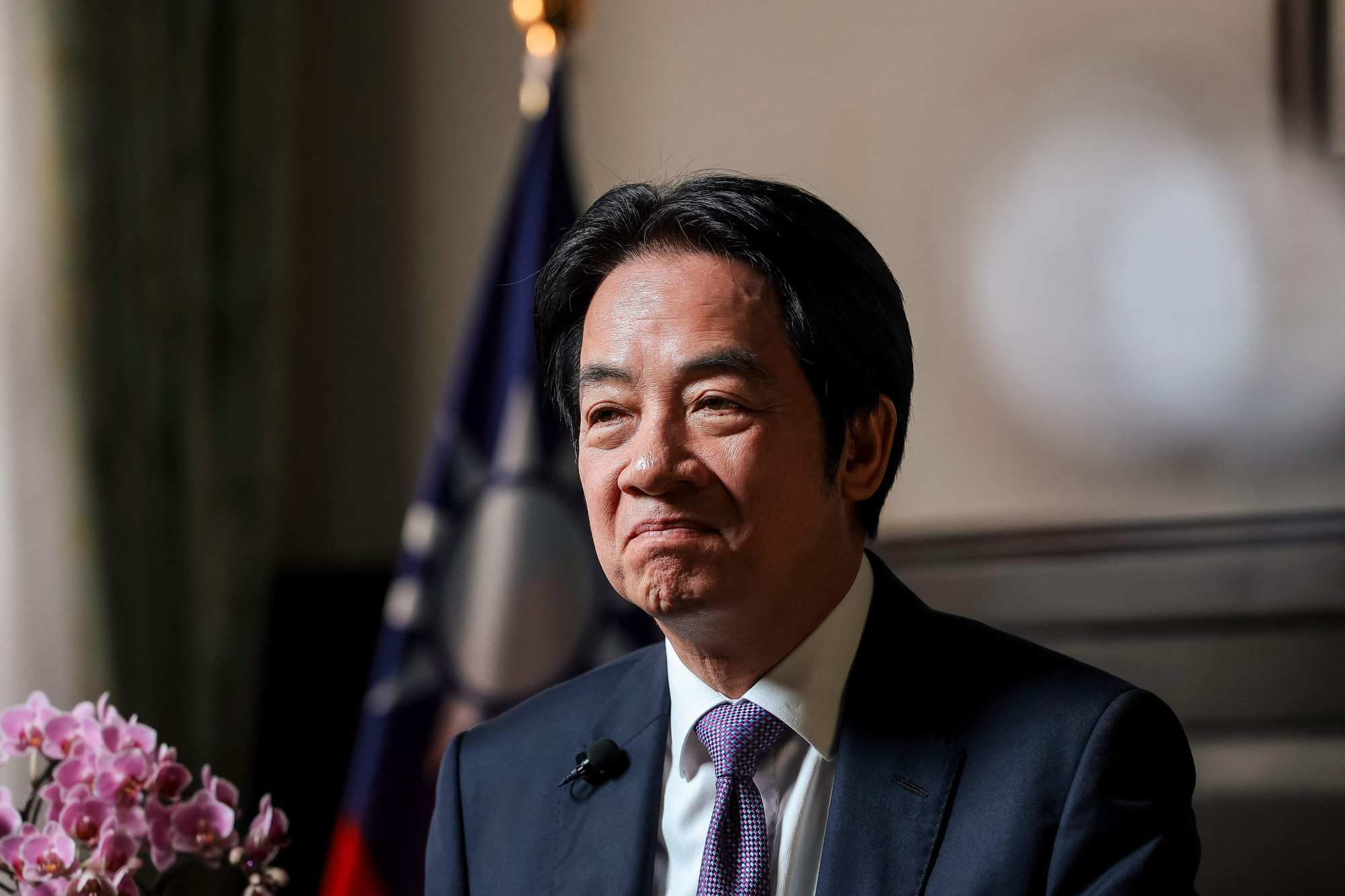
Over the weekend, Taiwanese leader William Lai Ching-te also issued a pointed warning about the risks of engagement with Beijing.
“Some believe that by shaking hands, engaging, compromising … peace can be achieved,” Lai said.
“But history has long told us that real peace has never come from bowing to or compromising with authoritarianism.”
Voices within the KMT have also urged caution.
In comments that appeared to put pressure on Cheng, New Taipei mayor Hou You-yi of the KMT said cross-strait exchanges must be conducted on the basis of “equality and dignity and in accordance with the law”.
Taiwan’s interests “must be the foremost consideration, with the well-being of the people as the top priority”, he added, noting that such had been his long-held position.
Hou’s remarks underscored the delicate balancing act facing the KMT leadership, as it seeks to foster dialogue with Beijing while navigating a strong Taiwan-centric political climate at home.
Adding to the controversy, the KMT released a 60-second AI-generated promotional video ahead of the visit, centred on the slogan: “Only with peace can we lie flat. Peace above all.”
The video depicts scenes of everyday life, such as children sleeping peacefully and young people playing sports, to convey the stability that peace can bring.
The KMT said such ordinary moments reflected what it “will not compromise on”, calling peace the foundation of prosperity and Taiwan’s future.
But the messaging immediately sparked pushback from pro-DPP internet users, with critics questioning whether peace could be sustained without adequate defence.
“Without defence, how can there be peace?” one user wrote, while others said peace “requires investment, not doing nothing”.
Meanwhile, in an interview with New York-based NBC News over the weekend, Cheng said relations with the US remained “of fundamental importance”, and pledged to “further strengthen, expand and institutionalise” the partnership.
Improving cross-strait relations would not come at the expense of US ties, she emphasised, saying that the two were “not mutually exclusive”.
“Promoting peace across the Taiwan Strait and reducing the risk of conflict serve not only the interests of the people of Taiwan but also align with the expectations of the United States and the international community,” she said.
Cheng also rejected suggestions that engaging Beijing would weaken Taiwan’s security posture. The KMT supported upholding self-defence capabilities and cooperation with Washington, she said, while calling for greater transparency in defence policymaking.
Describing Taiwan’s role as shifting from a Cold War “front line” to a “chain of peace”, she argued that dialogue and cooperation rather than zero-sum confrontation should guide regional relations.
Whether that framing resonated would be significant, analysts said.
Niu Tse-hsun, a professor at Chinese Culture University in Taipei, said Cheng’s trip presented an opportunity for the KMT to “reshape the battlefield” if it could successfully promote what he described as a “peace narrative”.
“If the peace narrative gains traction, it could not only break through the DPP’s ‘anti-China’ positioning but also appeal to centrist voters,” he said.
The upside depends on whether Cheng can maintain her party’s stance while securing tangible outcomes beneficial to Taiwan, possibly reinforcing perceptions that the KMT is more capable of managing cross-strait ties, according to Niu.
But the risks were equally high, the noted political commentator warned.
“If the KMT fails to hold its position or bring back concrete benefits, the DPP would be able to strengthen its ‘anti-China’ narrative and regain the upper hand.”
More Articles from SCMP
China’s push for hydrogen-powered planes takes step forward amid Iran energy crisis
SCMP Best Bets: Lucky Ranger can be a good omen at Sha Tin
Pakistan’s peace plan a ‘critical opportunity’ for US-Iran talks ahead of Trump deadline
As Trump hails ‘daring’ airman rescue in Iran, Chinese experts count US wins and losses
This article originally appeared on the South China Morning Post (www.scmp.com), the leading news media reporting on China and Asia.
Copyright (c) 2026. South China Morning Post Publishers Ltd. All rights reserved.