Gas Stoves a Hidden Source of Cancer-Causing Chemicals, New Study Reveals
A concerning new study has brought to light a potential, yet often overlooked, health hazard lurking within many homes: gas kitchen stoves. Researchers have discovered significant levels of benzene, a chemical linked to an increased risk of cancer, being emitted from these appliances, even when they are not in use. The findings suggest that hundreds of thousands of individuals, particularly in the UK, may be chronically exposed to levels exceeding recommended safety limits, akin to living in a home with a smoker.
Benzene is a volatile organic compound known for its colourless appearance and characteristic sweet odour. It is commonly found in petrol fumes, cigarette smoke, and natural gas. While its presence in these everyday substances is known, the extent to which household gas stoves contribute to indoor benzene exposure has been a subject of recent, and alarming, investigation.
“Eye-Popping” Benzene Levels Detected in European Gas
The study, which collected nearly 80 samples of unburned gas from residences in the UK, the Netherlands, and Italy, revealed unexpectedly high concentrations of benzene in the gas supply. Dr. Seth Shonkoff, executive director of PSE Health Energy, the lead research institution, described the quantities found in the UK and Dutch gas distribution systems as “frankly eye-popping.” This indicates that even minor leaks from gas infrastructure or appliances can pose substantial health risks, both within homes and in the surrounding environment.
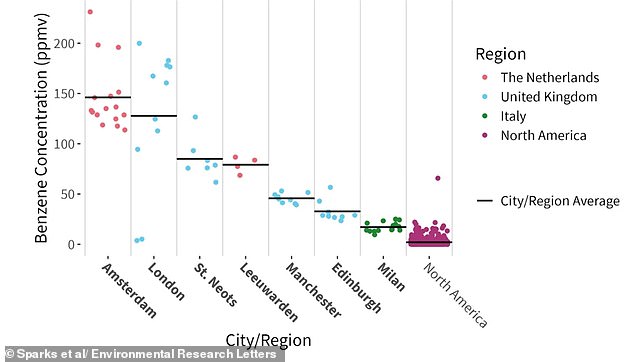
A key finding of the research is the stark difference in benzene content between European and American natural gas sources. Benzene concentrations in homes in London and Amsterdam were found to be between 60 and 80 times higher than the average levels observed in North America. This geographical disparity suggests that the source or processing of natural gas may play a crucial role in determining its benzene content.
Subtle Leaks, Significant Risks
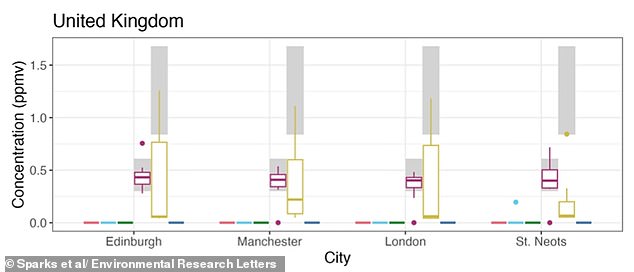
The study also identified low-level gas leaks in approximately 40% of the kitchens sampled. These leaks were often too small for occupants to detect through smell or other sensory cues. However, when these subtle leaks were combined with the elevated benzene levels present in the gas, the potential for chronic health risks became apparent. In roughly 9% of the households studied, the combined rate of leakage and benzene concentration was high enough to surpass the European Union’s annual exposure limit for benzene.
The most significant in-home benzene concentration was recorded in London, where a faulty stove was found to be releasing the chemical at levels 13 times higher than the recommended safety threshold. The researchers also calculated that in the UK, benzene exposure could reach nine times the national safe limit before most individuals would be able to detect the leak by smell. In the most severely affected homes, the modelled benzene exposure was deemed “worse than living with a smoker” by the research team, which included scientists from Stanford University.
Understanding Benzene and Its Health Impacts
-
What is Benzene?
Benzene is a colourless, highly flammable chemical with a distinct sweet odour. It is a component of petrol fumes and natural gas. -
Primary Exposure Route:
Inhalation is the most common way individuals are exposed to benzene. Cigarette smoking is a significant contributor to this exposure. -
Short-Term Effects:
Brief exposure to benzene in the air can lead to irritation of the eyes, nose, and throat, causing symptoms such as coughing, a hoarse voice, and breathing difficulties. Exposure to higher concentrations can result in swelling of the airways and fluid accumulation in the lungs. -
Long-Term Health Risks:
Chronic exposure to benzene has been strongly linked to an increased risk of developing certain cancers, particularly leukaemia. It has also been associated with other long-term health problems.
Widespread Potential for Chronic Exposure
In the UK, it is estimated that over half of all households rely on gas for cooking, representing more than 36 million people. Dr. Tamara Sparks, the lead author of the study, highlighted the concern that “a lot of people are likely being chronically exposed to benzene without knowing it.” She noted the unpredictable nature of gas leaks, describing the benzene hazard as “essentially a lottery” and expressed hope that increased public awareness would prompt action to mitigate this threat.
While opening windows for increased ventilation can help reduce personal risk, Dr. Sparks acknowledged that individual actions have limitations when gas is piped directly into homes.
The study also detailed regional variations in benzene levels within the UK. Gas from London stoves exhibited the highest benzene content, with 64 times more than that found in North American homes. Cambridgeshire followed with 42 times more, while Manchester and Edinburgh showed 23 and 16 times more, respectively. Although the study did not definitively explain these regional differences, it suggested that variations in gas sources could be a contributing factor.
Experts Weigh In on the Findings
The implications of the study have drawn reactions from public health advocates and scientific experts. Rachel Huxley, a spokesperson for the Wellcome Trust, emphasized the expectation that homes should be safe havens, stating, “This study shows that everyday use of gas can put people at unnecessary health risks.”
Professor Frank Kelly, an expert in community health at Imperial College London who was not involved in the research, described the findings as “really quite worrying” and did not believe the authors had overstated the risks. However, Professor Alastair Lewis, a specialist in atmospheric chemistry at the University of York, offered a more cautious perspective, suggesting that “current data on UK homes doesn’t indicate a widespread problem with high benzene concentrations.”
Future Energy Networks, an organization representing UK gas distributors, has stated that it takes all potential health and safety concerns seriously and will be reviewing the study’s findings.