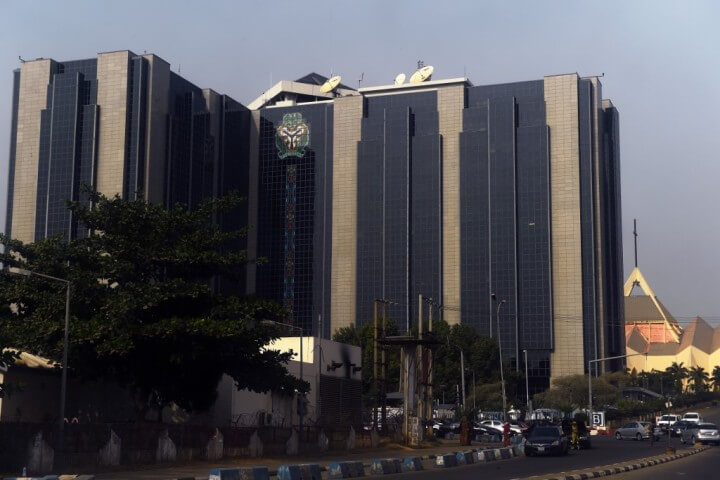
Nigeria’s Central Bank Mandates Naira Payouts for Diaspora Remittances
Abuja, Nigeria – In a significant policy shift, the Central Bank of Nigeria (CBN) has issued a directive that will fundamentally alter how diaspora remittances are received within the country. Effective May 1, 2026, all International Money Transfer Operators (IMTOs) will be prohibited from making remittance payouts in foreign currency. Instead, all transactions must be processed exclusively through designated naira settlement accounts held with Authorised Dealer Banks (ADBs).
This move, detailed in a circular signed by Dr. Musa Narkoji, Director of the Trade and Exchange Department, is designed to enhance the CBN’s regulatory oversight of remittance inflows and foster greater transparency within Nigeria’s foreign exchange market. The directive aims to ensure all remittance transactions are captured within the formal financial system, thereby plugging potential leakages and improving traceability.
Key Changes for Remittance Payouts:
- Naira Only: Beneficiaries of diaspora remittances will now receive their funds solely in Nigerian Naira. Foreign currency payouts will no longer be permitted.
- Mandatory Naira Settlement Accounts: All IMTOs are required to open and maintain dedicated naira settlement accounts with ADBs in Nigeria.
- Exclusive Processing: Every remittance transaction, from its origin abroad to its final disbursement to the beneficiary, must be processed strictly through these designated naira settlement accounts.
- Flexibility in Account Management: IMTOs have the discretion to designate existing accounts or open new ones for settlement purposes. They can also operate accounts with multiple ADBs, aligning with their specific business strategies.
The CBN’s objective is to bolster the efficiency of the foreign exchange market and improve pricing mechanisms for IMTO transactions. ADBs will be permitted to process foreign currency transfers from IMTO settlement accounts to other ADBs and various market participants, including Bureau De Change (BDC) operators. This is intended to facilitate smoother currency conversion and enhance market liquidity.
Implications for Beneficiaries and the Economy:
While the policy aims to increase transparency and formalize remittance flows, it carries potential implications for recipients.
- Exchange Rate Volatility: Families relying on remittances for daily needs could be exposed to fluctuations in the official exchange rate. A weakening naira against major foreign currencies could erode the value of received funds. This comes at a time when formal remittance inflows have already seen a decline, with a reported 11.78 per cent drop to $2.07 billion in the first half of 2025.
- Potential Fee Increases: Experts suggest that IMTOs may adjust their operational fees as they adapt to the new naira settlement requirements, potentially leading to higher costs for senders or receivers.
- Reduced Fraud Risks: Conversely, the move is expected to mitigate risks associated with informal remittance channels, which are often susceptible to fraud and money laundering. By channeling all transactions through regulated entities, the CBN anticipates a safer and more secure remittance ecosystem.
Economic Benefits Anticipated:
Analysts believe the policy could have a positive impact on Nigeria’s foreign exchange liquidity. By mandating the conversion of remittances into naira through official channels, the CBN expects a significant inflow of foreign currency into the formal market. This is particularly crucial for an economy heavily reliant on oil exports, where stabilizing FX supply is a constant challenge.
- Boosted FX Liquidity: Funneling dollars into the official market via ADBs is expected to increase the availability of foreign currency.
- Market Stabilization: A more stable supply of FX can contribute to greater predictability and stability in the broader economy.
Regulatory Oversight and Compliance:
The CBN has emphasized that settlement accounts should only be credited with remittance flows and the proceeds from foreign exchange conversions conducted by licensed IMTOs (or their agents) with authorized market participants in the Nigerian Foreign Exchange Market (NFEM). IMTOs are obligated to formally designate and regularly report these accounts to the CBN’s Trade and Exchange Department.
The apex bank has made it clear that strict compliance is paramount. The CBN will deploy enhanced monitoring mechanisms to ensure full adherence to the new directive. Non-compliance could result in penalties, underscoring the seriousness of this regulatory overhaul. This policy represents a significant step by the Nigerian government to assert greater control over capital flows and enhance the effectiveness of its monetary policy. The success of this directive will likely depend on the seamless implementation by IMTOs and ADBs, as well as the market’s overall response to the shift in remittance processing.