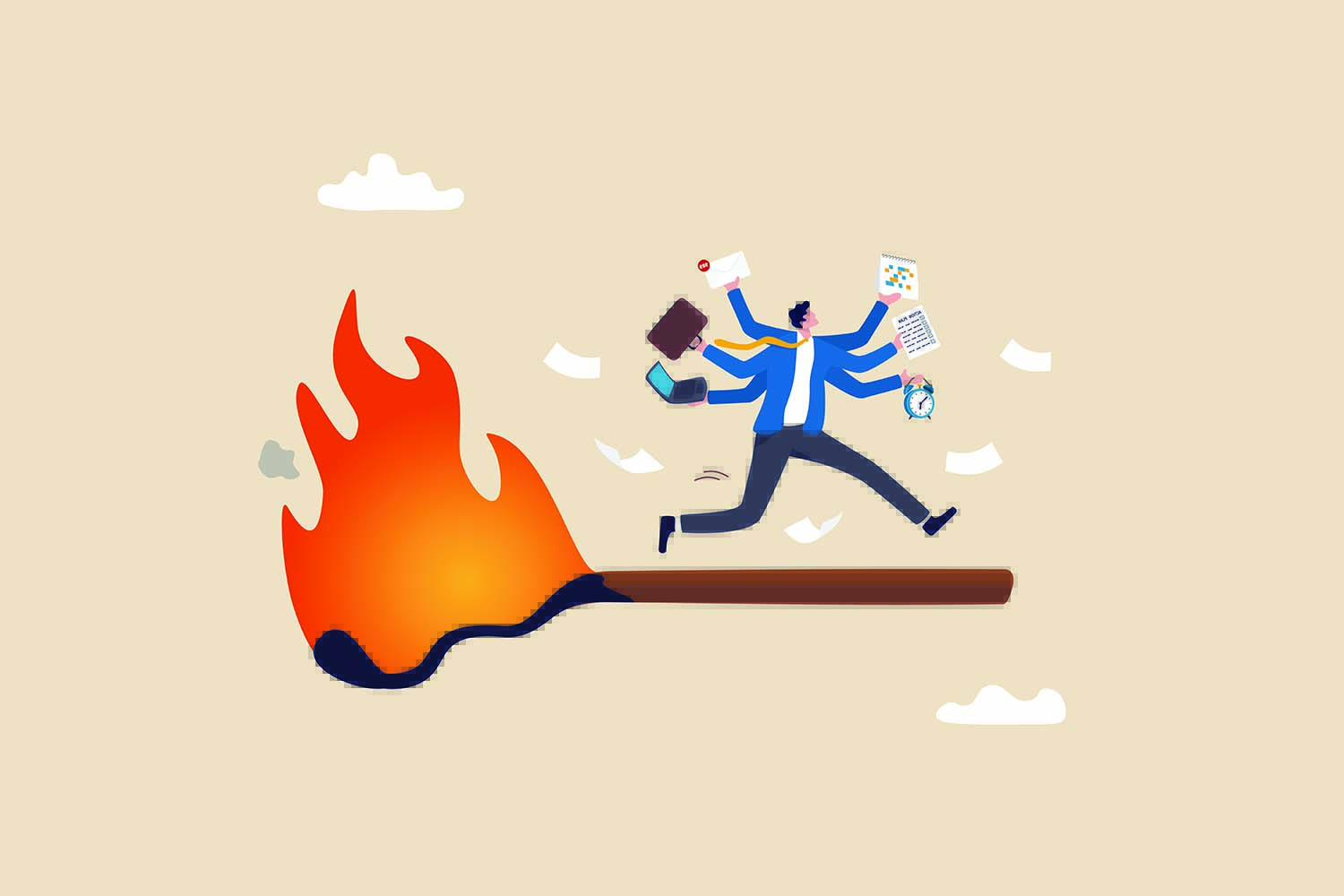
The Illusion of the Productivity Champion: Navigating the Perils of Toxic Productivity
In today’s hyper-connected world, a pervasive culture of “toxic productivity” has taken root, blurring the lines between healthy ambition and an obsessive pursuit of constant output. The pressure to appear productive often overshadows the actual completion of tasks, fueled by the curated realities presented on social media platforms. This relentless drive to measure one’s achievements against an ever-present benchmark has led to a culture where individuals feel compelled to engage in a perpetual battle of “how much” they can accomplish, often at the expense of their well-being.
The rise of short-form video content has significantly amplified this trend. These platforms frequently showcase extreme feats of dedication that can seem almost unattainable for the average person. For instance, fitness influencer David Goggins, with his substantial following, has shared stark images of his blistered and peeling feet, a direct consequence of his relentless pursuit of physical achievement. This phenomenon isn’t confined to physical fitness; the academic world is equally susceptible.
The Academic Grind: “Study with Me” and the Pressure Cooker
Academic pursuits have become another battleground for toxic productivity. Trends like “Study with me for 12 hours,” “Pulling an all-nighter for exams,” and “Study till the candle melts” have gained considerable traction. While seemingly aspirational, these trends often foster an internalized pressure among students to conform to these intense study schedules, rather than encouraging them to learn and work at their own sustainable pace. This constant comparison can lead to feelings of inadequacy and anxiety, even when students are genuinely working hard.
Furthermore, various applications have emerged that act as catalysts, promoting the notion of optimizing every single moment of the day. When combined with viral trends, these apps create a potent cocktail that encourages the quantification of work solely by the number of tasks completed. This can paradoxically lead to what users describe as “productivity drain,” a state of exhaustion and depletion resulting from this relentless drive. The question then arises: when does the aspiration to push oneself cross the delicate boundary between healthy ambition and detrimental, toxic productivity?
Redefining Productivity: Insights from Influencers and Creators
Ashma Bhandari, an Instagram influencer specializing in fitness content, particularly running, offers a valuable perspective on when productivity tips into an unhealthy territory. “We live in such a fast-paced world that if you’re not doing something or being productive, we feel like someone will take our place. Social media has become the driving factor for it; we see everyone doing something, and the pressure just increases,” Bhandari explains.
While creators like Bhandari aim to share fitness routines in a light-hearted manner, some deliberately craft captions that instill a “fear of not putting in the effort for physical health.” Bhandari emphasizes that “Productivity becomes toxic when you feel guilty for taking rest, or you define your entire self-worth around it. Learning to keep that balance and giving yourself a pat on the back even after small accomplishments should be the way to go.”
She points out that challenges such as ’75 Hard’ or ‘being fit in 30 days’ are often unrealistic for the majority of people. Witnessing creators successfully navigate these intense programs on social media can significantly undermine the confidence of younger individuals. To combat the slide from healthy ambition into toxic productivity, Bhandari advocates for self-compassion: “I have days too when I give it my all and still feel like maybe I’m not enough. Living away from home with so many responsibilities definitely gets to you. But I constantly remind myself that my body, my mind and my health are more important than anything. I take days off when I need to. I take two steps back whenever I feel burnt out.”
Shashank Shrestha, a creator and the founder of Kathaharu Productions, echoes this sentiment, having experienced the pitfalls of this culture himself. “The slippery slope begins when you start celebrating grinding and crunching a little too much,” he states. “I used to see all-nighters and working from dawn to dusk as a badge of honour, but it took a lot of burnout to realise they were more of a sign of poor resource management. If one aspect of your life-whether work, hobby or social engagement-takes over your entire life, I think that is when you need to take a pause and assess.”
Shrestha views productivity as the effective utilization of time, coupled with the essential space for experimentation. “My day job is running a production company (Kathaharu), and our work demands that we adhere to strict deadlines. So I approach productivity with how we can allot proper effort and resources to stick to the timeline we have,” he explains.
He further observes that social media has fundamentally altered perceptions of productivity. “The platforms have pushed a lot of people to curate their lives. I honestly feel people only see global wins or something superhuman as the mark of success. While the fact remains, these stories are very rare. Plus, this is only one version of success; there is a lot less celebrating done for someone who is doing their day-to-day work and finding time to just relax with family-but that is not as clickworthy.” Shrestha champions the dissemination of positive messages and transparency about one’s process to empower audiences to make informed decisions. He is committed to avoiding content that shames or belittles individuals for embarking on new journeys.
Student Perspectives: The Weight of Unrealistic Expectations
The experiences of students often mirror those of content creators. Shreedhara Nepal, an 18-year-old, confesses to feeling guilt when encountering reels and posts promoting toxic productivity. “When I see people posting routines where they study almost the whole day, wake up extremely early, and seem to have everything under control, it makes me feel like I am not doing enough, even when I am already tired and working hard,” she shares.
This constant exposure to idealized productivity paradigms discourages Nepal from enjoying any form of entertainment in her daily life. The pervasive glorification of perpetual activity has conditioned students to experience a sense of emptiness even during periods of rest, despite the critical role rest plays in effective memory retention.
Finding Balance: The Power of Vulnerability and Realism
While many social media users grapple with the direct consequences of toxic productivity, a growing number of creators are adept at balancing productivity content with a dose of realism. Those who are open about their struggles, whether it’s abandoning a demanding challenge or showcasing their efforts to incorporate breaks, contribute to a more inspirational and less damaging online environment. Their vulnerability transforms productivity content from a source of pressure into a relatable and encouraging guide for navigating the demands of modern life.