Iran Eyes Diplomatic Breakthrough Amidst Tensions with the US
Last night, Iran expressed cautious optimism following preliminary peace talks with the United States, describing the initial discussions as a “good start.” This positive sentiment emerged despite an urgent travel advisory issued by the US, warning its citizens to depart Iran immediately.
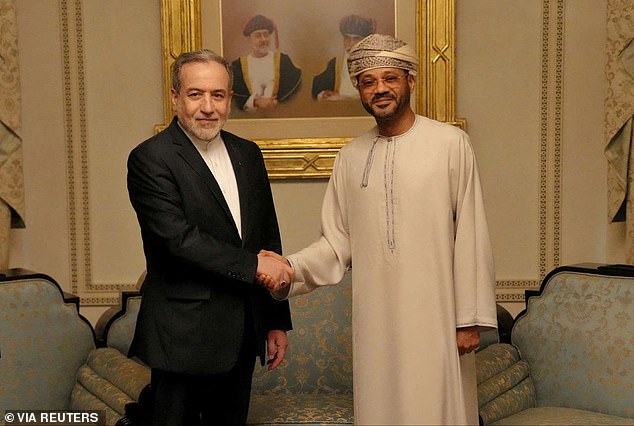
Foreign Minister Abbas Araghchi conveyed a hopeful outlook after negotiations held in Oman, though the precise nature and extent of any progress achieved remain somewhat unclear. The talks, facilitated by Oman’s Foreign Minister Badr bin Hamad al-Busaidi, involved US Special Envoy to the Middle East, Steve Witkoff, and focused on establishing conditions conducive to resuming formal diplomatic and technical negotiations.
“It was a good start to the negotiations, and there is an understanding on continuing the talks,” Mr. Araghchi stated to Iranian media. He elaborated that coordination on the path forward would be determined by each nation’s capital. “If this process continues, I think we will reach a good framework for an understanding,” he added, suggesting a potential pathway towards de-escalation.
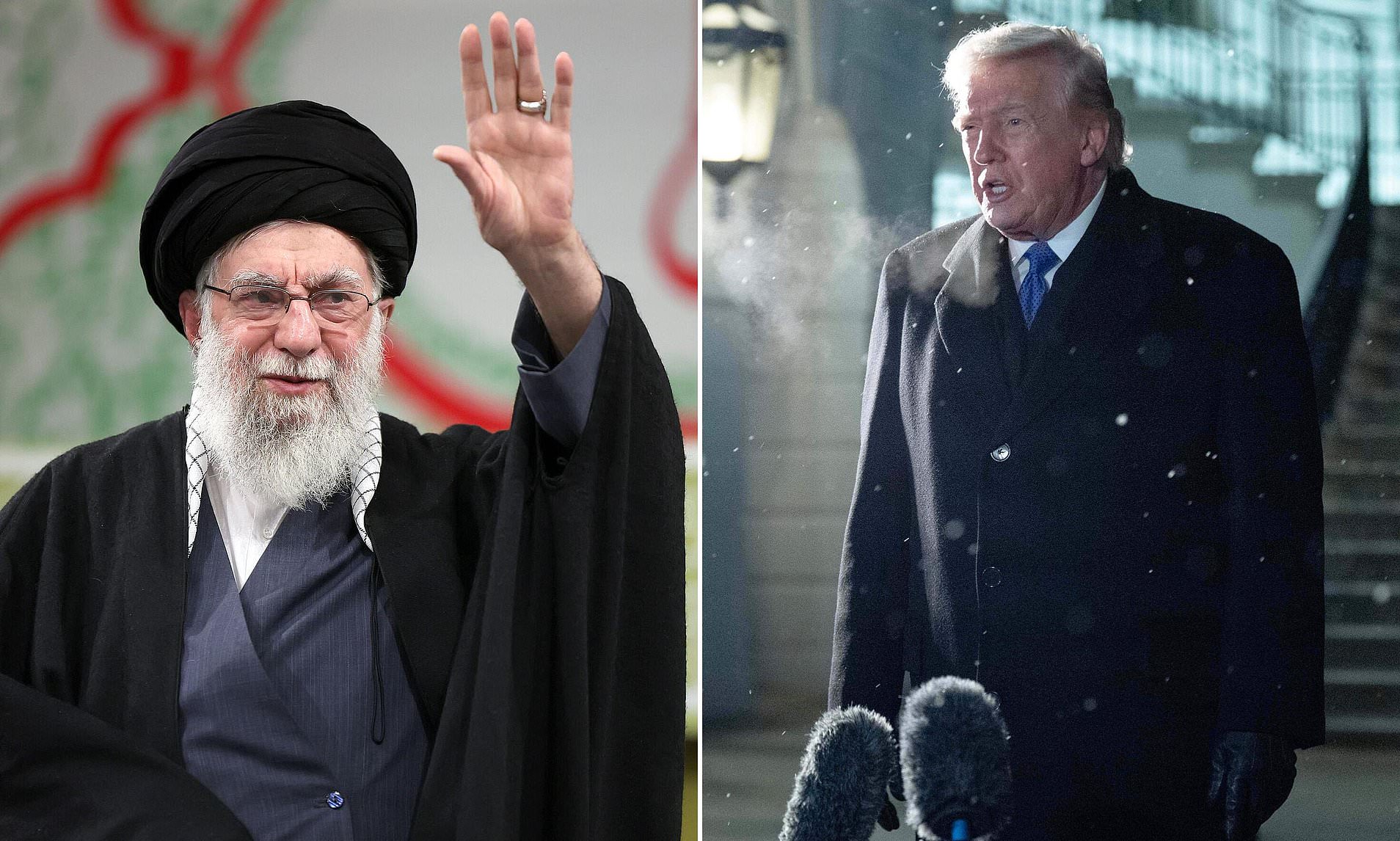
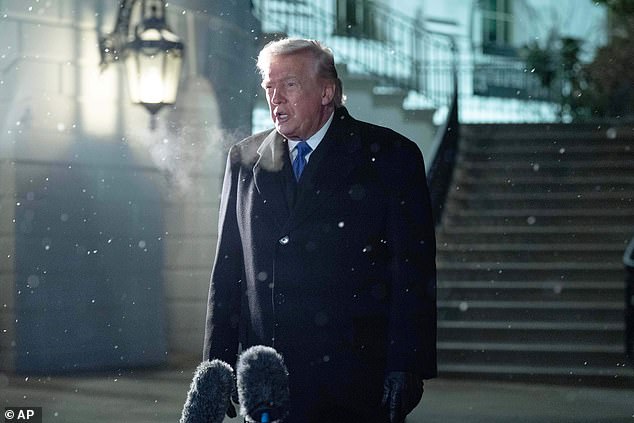
The diplomatic overtures come against a backdrop of heightened tensions between the two nations. For weeks, the US has significantly bolstered its military presence in the Middle East, a move accompanied by explicit threats from President Donald Trump regarding potential action if Iran does not abandon its nuclear ambitions. The US President’s stance on military intervention has reportedly been influenced by the Iranian government’s forceful suppression of recent internal unrest.
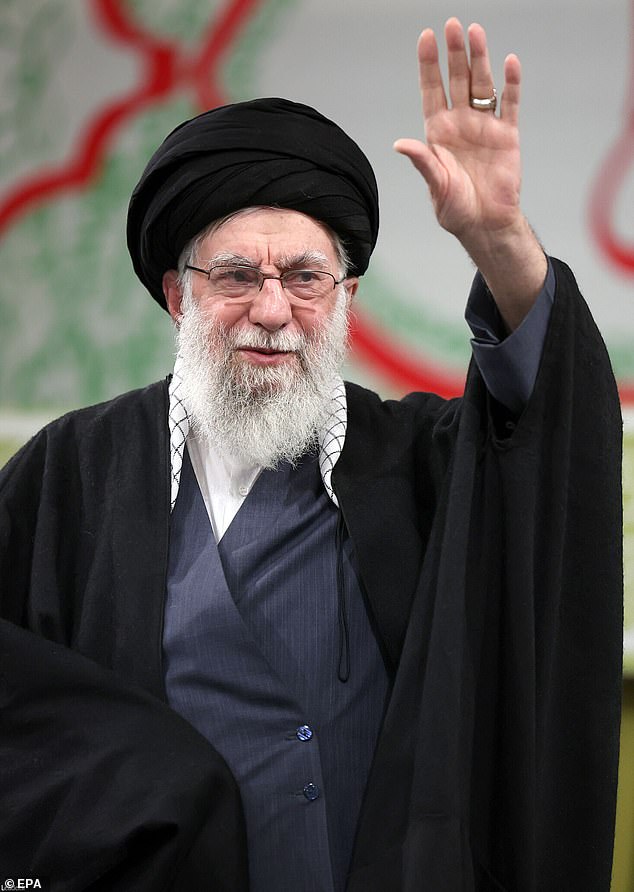
Protests, reportedly aimed at challenging the authority of Ayatollah Khamenei’s theocracy, were met with a swift and severe response from security forces. Accounts suggest thousands of protesters were killed or injured during the crackdown. To curtail the spread of information and prevent global awareness of the suffering, the Iranian regime reportedly implemented internet and phone signal blackouts across the country. Disappointment was expressed by those hoping for US support for their cause, particularly after President Trump appeared to backtrack on earlier promises of backing the protestors.
Mr. Araghchi further indicated that the continuation of dialogue hinges on the US ceasing its threatening rhetoric towards Iran. He acknowledged the deep-seated “great mistrust” that has accumulated between the two countries. Underscoring the prevailing security concerns, the US “virtual embassy” in Tehran issued a stark security alert yesterday, strongly advising American citizens to “leave Iran now” and to make departure arrangements independent of US government assistance.
The White House, in parallel, reiterated its unwavering objective of achieving “zero nuclear capacity” for Iran, encompassing both the development of nuclear weapons and the pursuit of nuclear energy supplies. A statement from the White House emphasized that President Trump possesses “many options at his disposal as the commander in chief of the most powerful military in the world.”
Beyond the nuclear issue, the US has also presented demands for Iran to curtail its arsenal of ballistic missiles and to cease its support for regional proxy groups, including Hezbollah and Hamas. Iran, however, has reportedly denied that these specific subjects were addressed during the recent Omani talks.
The recent diplomatic engagement follows a period of significant confrontation. In June of the previous year, the US launched a substantial strike against Iranian nuclear facilities, employing long-range stealth bombers. President Trump has previously warned of “bad things” befalling Iran should a deal with the US not materialise.
However, a growing chorus of regional players, including Qatar, Turkey, and Saudi Arabia, are reportedly advocating against any form of military action. Conversely, Israel, a key regional ally, appears to be urging the US to consider strikes. Israeli Prime Minister Benjamin Netanyahu has stated that Iran is actively pursuing the development of atomic weapons and has amassed approximately 20,000 ballistic missiles, a claim that fuels the ongoing security concerns in the region. The complex interplay of diplomatic overtures, internal pressures, and regional alliances continues to shape the volatile geopolitical landscape surrounding Iran.