Unlocking Garlic’s Full Potential: Common Kitchen Mistakes to Avoid
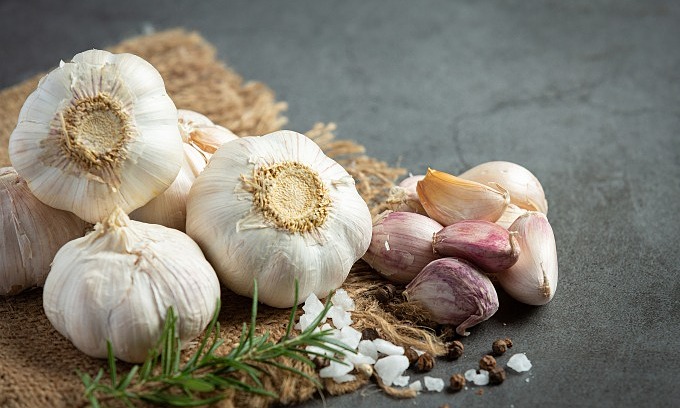
Garlic, a cornerstone of countless culinary traditions, possesses a complex flavor profile and potent aroma that can elevate any dish. However, improper handling in the kitchen can inadvertently diminish its vibrant qualities, leading to a less flavorful and potentially bitter result. Understanding common pitfalls in storing, preparing, and cooking garlic is crucial for unlocking its full gastronomic potential.
The Perils of Refrigeration: Why Your Garlic Shouldn’t Live in the Cold
A widespread practice that can compromise garlic’s integrity is storing whole bulbs in the refrigerator. The cool, humid environment of a fridge accelerates the sprouting process, while the dry air leaches moisture from the cloves. This dual assault leaves the garlic spongy, diminishes its characteristic pungency, and ultimately degrades its flavor.
The optimal method for preserving garlic’s freshness and flavor involves room temperature storage. Opt for a cool, well-ventilated area, shielded from direct sunlight. Mesh bags or open baskets, such as those made from bamboo, are ideal as they promote consistent air circulation, preventing moisture buildup and maintaining the cloves’ firmness.
Debunking the Myth: The Truth About Green Garlic
Many home cooks express concern when garlic turns green, particularly after being pickled in vinegar or incorporated into dipping sauces. This color change is often mistakenly perceived as a sign of toxicity. However, this phenomenon is a natural chemical reaction. It occurs due to the interaction between sulfur compounds inherent in garlic and the presence of acids or minerals in the ingredients. This green hue has no bearing on the garlic’s safety for consumption or its taste. In fact, in Northern China, “Laba garlic” is a celebrated traditional delicacy prepared for Lunar New Year, prized for its distinctive jade-green color and is considered perfectly safe and delicious.
The Art of the Cut: Tailoring Garlic Preparation to Your Dish
The way garlic is processed directly influences its intensity and flavor release. Mincing or crushing garlic cloves breaks down their cellular structure more extensively, leading to a greater release of sulfur compounds and a sharper, more pronounced pungency.
Instead of defaulting to a garlic press for every recipe, consider adapting the cut to suit the specific needs of your dish:
- Crushed Garlic: This method is well-suited for robust sauces and stews where a deep, permeating garlic flavor is desired.
- Minced Garlic: Finely minced garlic is ideal for aromatic applications, such as soups and stir-fries, where its fragrance can be readily dispersed.
- Thinly Sliced Garlic: For dishes that call for a milder garlic presence, such as lightly seasoned vegetable preparations, thinly sliced garlic offers a more subtle yet still present flavor.
The Often-Overlooked Sprout: A Source of Bitterness
Within older garlic cloves, a small green sprout can often be found. While not toxic, this central germ tends to be significantly more pungent and bitter than the surrounding clove. In dishes with delicate flavor profiles or in raw preparations like vinaigrettes and dips, this sprout can introduce an unpleasant, lingering bitterness that detracts from the overall taste. To ensure a clean and balanced flavor, it is advisable to remove the sprout before cooking or using the garlic.
Marinating for Grilling: The Pitfalls of Minced Garlic
When preparing marinades for grilled or pan-seared meats, using finely minced garlic can lead to undesirable outcomes. The tiny garlic fragments tend to adhere to the surface of the meat, becoming directly exposed to the high heat of the grill or pan. This direct exposure causes them to burn rapidly and turn bitter, often before the meat itself is cooked through.
To achieve a superior marinating experience, consider these alternatives:
- Crushed Garlic Juice: Lightly crush whole garlic cloves, then extract the flavorful juice for your marinade, discarding the solids.
- Garlic Powder: For a consistent and less volatile garlic flavor, garlic powder is an excellent substitute in marinades.
Timing is Everything: When to Introduce Garlic to the Pan
A common culinary misstep involves adding garlic to a hot pan too early in the cooking process. Introducing garlic as soon as the oil begins to heat, and before other ingredients are added, sets the stage for burning. Garlic has a low moisture content and a high natural sugar content, making it prone to scorching. When cooked alongside ingredients like onions or meat, it can turn black and bitter prematurely, compromising the flavor of the entire dish.
The correct approach is to allow your aromatics or base vegetables, such as onions or bell peppers, to soften and begin cooking first. Once these ingredients are nearing doneness, then add your minced garlic. Garlic requires only a brief period, typically 30 seconds to one minute, to release its fragrant oils without burning.
The Dangers of High Heat: Gentle Cooking for Optimal Flavor
In an effort to expedite the cooking process, some individuals opt for high heat when frying or sautéing garlic. This aggressive approach results in the garlic scorching on the exterior before its aromatic compounds have a chance to develop and infuse the dish. The outcome is a bitter taste and the potential formation of unhealthy chemical compounds.
Garlic’s delicate nature calls for a more measured approach. Cooking garlic over medium or low heat allows its natural sugars to caramelize gradually. This gentle process yields a beautiful light golden hue and a sweet, mild, and wonderfully fragrant flavor that complements, rather than overpowers, your culinary creations.