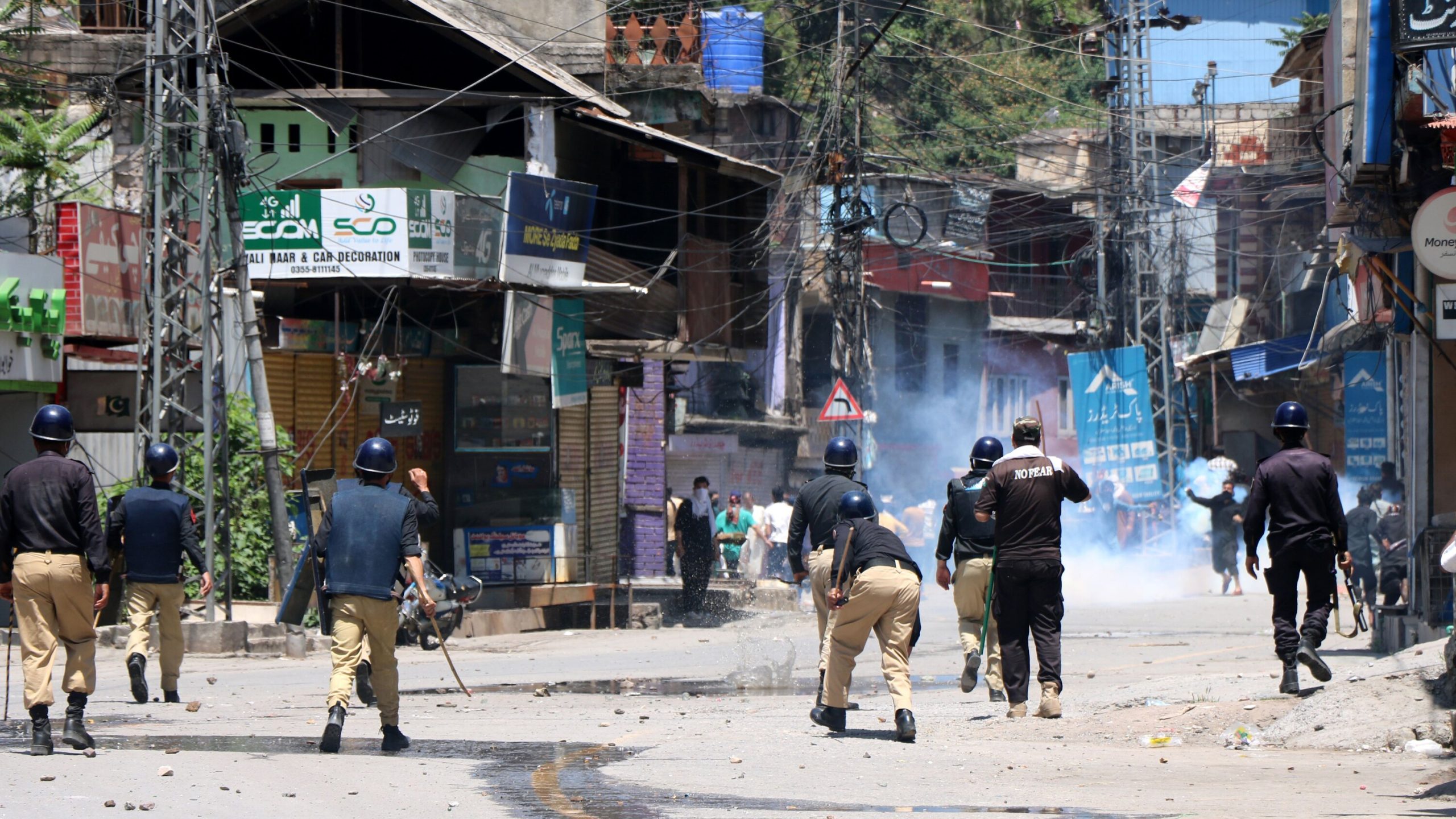
Jammu and Kashmir: Pakistan Reaffirms Disputed Status at UN Human Rights Council
Geneva, Switzerland – Pakistan has once again asserted that the Jammu and Kashmir region is an internationally recognised disputed territory, emphasizing that any unilateral actions cannot alter its fundamental legal status. The statement was made at the United Nations Human Rights Council, where Pakistan exercised its right of reply to address ongoing concerns.
Adeel Mumtaz Khokhar, Pakistan’s First Secretary, underscored that the disputed nature of Jammu and Kashmir is clearly documented within pertinent United Nations Security Council resolutions. “Jammu and Kashmir remains an internationally recognised disputed territory… This is a legal reality that no unilateral action can erase,” Khokhar stated, directly refuting what he termed as India’s “false assertions.”
The diplomat highlighted that Pakistan’s stance is rooted in the principles enshrined in the Vienna Declaration and Programme of Action, particularly the fundamental right to self-determination. He argued that the denial of this right constitutes a grave violation of human rights. As a member of the global community, Khokhar asserted, India has a responsibility to foster an environment conducive to the exercise of self-determination by the people of Indian Illegally Occupied Jammu and Kashmir (IIOJK). He criticised India’s response, suggesting it has resorted to “baseless allegations” rather than addressing its obligations under the UN Charter.
Restrictions on Fundamental Freedoms in IIOJK
The Pakistani representative detailed the deteriorating human rights situation in the IIOJK, citing systematic curtailment of fundamental freedoms. He pointed to:
- Detention of Political Leaders: Prominent political figures in the region have reportedly been detained, stifling legitimate political discourse and opposition.
- Restrictions on Peaceful Assembly: The ability of citizens to gather peacefully and express their views has been significantly limited.
- Limitations on Religious Practices: The exercise of religious freedoms has also faced constraints, with specific mention of restrictions on Friday prayers and Eid gatherings.
Khokhar’s poignant observation, “A state that fears prayers, fears its people,” underscored the perceived suppression of the populace.
Allegations of Cross-Border Activities
Beyond the territorial dispute, Pakistan also levelled accusations of India’s alleged involvement in cross-border activities. Khokhar referenced the case of Kulbhushan Jadhav, an Indian national whom Pakistan maintains was apprehended for espionage and sabotage activities on Pakistani soil.
These claims were extended to suggest a wider pattern of actions, with Khokhar citing the killing of Hardeep Singh Nijjar in Canada and the ongoing legal proceedings against Nikhil Gupta in the United States. He implied that these incidents are indicative of a broader strategy extending beyond the immediate region.
Water Disputes and Treaty Obligations
The session also saw Pakistan address water disputes, with Khokhar criticising India’s unilateral announcement to suspend the Indus Waters Treaty. He stressed that the treaty contains no provision permitting such unilateral suspension, asserting, “Water cannot be weaponised. Treaty obligations cannot be switched on and off at will.”
Pakistan reiterated its position that its actions have been limited to reminding India of its legal and moral responsibilities. The call was for India to “course correct” and adhere to the principles of international law, particularly concerning the disputed status of Jammu and Kashmir and the sanctity of international treaties. The ongoing dialogue at the UN Human Rights Council serves as a platform for these complex geopolitical issues to be aired on the international stage.