Fires Devastate Darfur Camps, Exacerbating Humanitarian Crisis
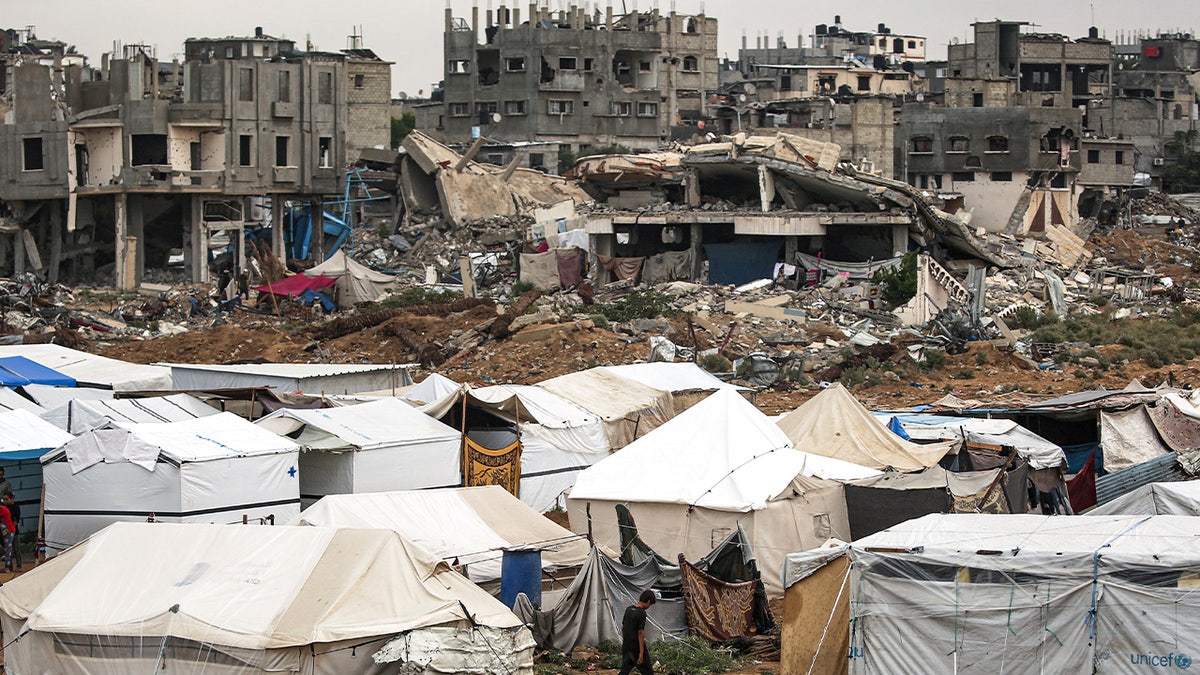
Tawila, North Darfur – A recent spate of fires has plunged the displacement camps of Darfur into further disarray, destroying over 881 shelters and rendering countless families homeless. This latest blow to an already precarious humanitarian situation has been attributed to a confluence of factors, including extreme temperatures, severe overcrowding, and the widespread use of flammable shelter materials, according to a regional advocacy group.
The General Coordination for Displaced Persons and Refugees in Darfur detailed the extent of the damage, which has primarily affected the Tawila area and other regions within North Darfur. These fires have not only decimated living spaces but have also amplified the sense of instability and fear among a population already grappling with escalating conflict.
Adam Rejal, a spokesperson for the coordination group, painted a grim picture of life within the camps. He described the conditions as “miserable and harsh,” a direct consequence of the ongoing war and its ripple effects. The conflict has led to the closure of vital border crossings, a move that has severely restricted the flow of essential consumer goods. This disruption has, in turn, triggered a dramatic surge in prices, making even basic necessities unaffordable for many.
The persistent closure of the Adre crossing, a critical artery for both humanitarian aid and commercial goods, has been singled out as a significant contributor to the intensified suffering of camp residents. This vital route, when inaccessible, directly impacts the ability to provide relief and supplies to a population already enduring extreme hardship.
The impact of these closures extends beyond the immediate scarcity of goods. Road blockades and access restrictions are further impeding the delivery of essential aid, a situation Rejal warned is rapidly approaching a complete collapse. He underscored the urgent necessity of halting the conflict, asserting that it must be the paramount priority to avert further catastrophe.
In response to the escalating crisis, the coordination group has issued a stark call for an immediate humanitarian state of emergency. They are advocating for urgent intervention, citing a concerning decline in international attention to the ongoing crisis in Sudan. This perceived waning of global focus is seen as particularly detrimental at a time when the needs of the displaced are at their most critical.
Beyond the immediate shelter crisis, Rejal also sounded alarms about growing health risks within the camps. He warned of increasing rates of malnutrition and a critical lack of life-saving medicines. As the conflict shows no signs of abating, health and humanitarian risks are projected to escalate significantly in the coming days, posing a severe threat to the well-being of thousands. The situation demands a swift and comprehensive response to address the immediate needs and to work towards a lasting resolution of the underlying conflict.