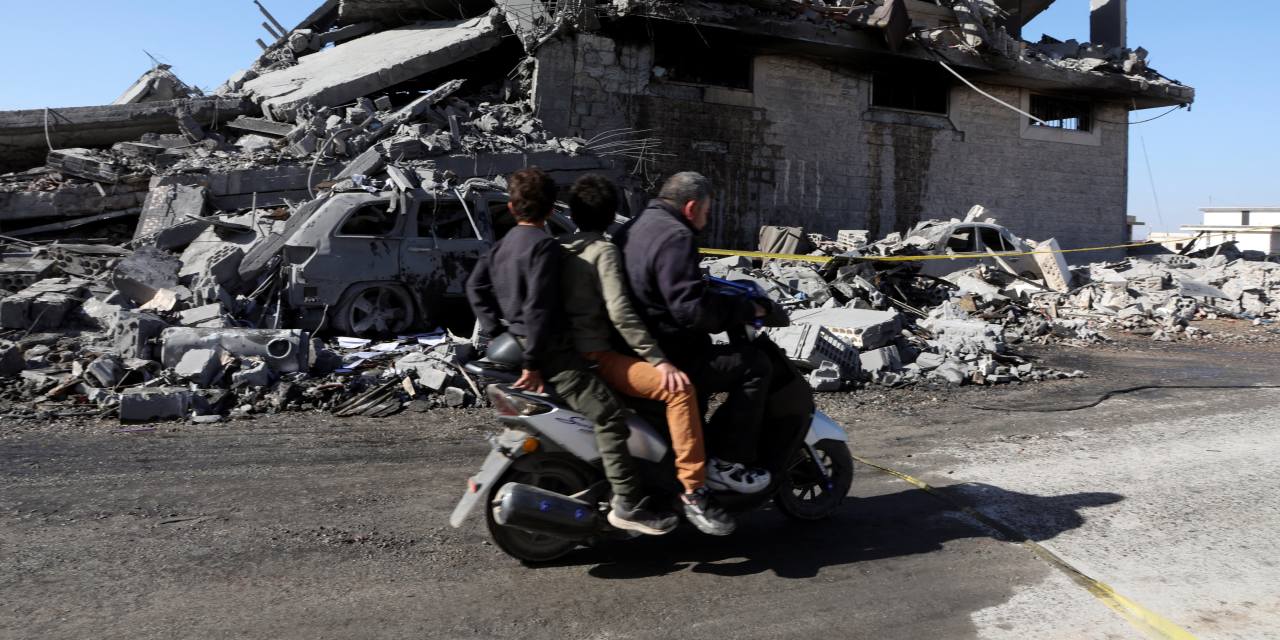
The southern Lebanese region experienced a night of intense conflict as the Israeli army carried out airstrikes and artillery shelling across multiple villages and towns. These attacks, which commenced overnight into Thursday, targeted areas including Srifa, Kafra, Shaqra, Majdalzoun, Kfar Remman, Bint Jbeil, Jibal al-Botom, Siddiqine, Ainata, Harouf, and Arab Salim.
The immediate aftermath of these strikes revealed a grim toll, with at least seven individuals reported dead and an additional 16 people sustaining injuries. This surge in casualties contributes to a rapidly escalating death count in Lebanon. According to the Health Ministry, a total of 22 people lost their lives within the preceding 24 hours, pushing the overall death toll to 1,094 since the commencement of hostilities on March 2.
The devastating impact of the conflict is particularly evident in the vulnerability of its youngest and most defenseless populations. The Health Ministry’s figures indicate that among the deceased are at least 121 children and 81 women, highlighting the profound human cost of the ongoing violence. Furthermore, the number of wounded has also seen a significant increase, with 153 individuals injured over the past day, bringing the cumulative total of injured to 3,119.
Beyond the aerial bombardments, Israeli artillery units also engaged in shelling several locations, including al-Khiam, Kfar Hamam, Rashaya al-Fakhar, Wadi Slouki, and Wadi al-Hujair. These actions coincided with reported attempts by Israeli troops to advance further into southern Lebanese territory.
Ground Operations and Strategic Objectives
Reports indicate that Israeli ground forces initiated an advance from the southern border town of Taybeh. Their movement was directed towards Qantara and Deir al-Seryan, areas situated near the strategic Litani River. This territorial push appears to align with Israel’s stated objective of establishing control over a significant strip of land extending up to the Litani River, a move that could have considerable implications for regional security and the ongoing conflict dynamics.
Hezbollah’s Response and Escalation
In parallel, Hezbollah has also been a significant actor in the escalating hostilities. On Wednesday, the group launched an extensive barrage of over 80 attacks, marking the highest daily tally recorded since the conflict began. This demonstrates a clear escalation in offensive operations from Hezbollah.
The pattern of engagement continued into Thursday, with Hezbollah announcing that its fighters had targeted several locations in northern Israel. These strikes employed a range of weaponry, including attack drones, rockets, and advanced missiles, and were directed at Avivim, Malkia, Nahariya, Kiryat Shmona, Manara, Krayot, the Poriya Base, and Mount Adir. Additionally, Hezbollah reported overnight attacks on Israeli troops positioned near Alma al-Shaab and in the areas of Raas al-Naqoura, al-Taybeh, Deir al-Seryan, and al-Qawzah.
These exchanges have not been without casualties on the Israeli side. Israel confirmed that one soldier was killed during clashes in southern Lebanon.
Strategic Significance of Poriya Base
The Poriya Base, located near the Sea of Galilee (Lake Tiberias), holds particular strategic importance within Israel’s defense infrastructure. This base serves as a critical hub for the deployment and operation of Iron Dome missile defense batteries. These batteries are strategically positioned to provide a crucial layer of protection for the Galilee region and the city of Tiberias, safeguarding them against potential aerial threats emanating from the conflict zone.