The Enduring Spirit of Corn: A Ga Tradition in Every Sip
In the heart of the Greater Accra Region, within the homes of the Ga people, corn transcends its role as a mere foodstuff. It is a vibrant thread woven into the very fabric of their identity, a repository of cherished memories, and a cornerstone of their rich culture. From the ubiquitous komi (kenkey) and banku to the less common akpiti and adunle, and the celebratory kpokpoi, corn is an indispensable element in both the daily sustenance and the sacred rituals of this community.
The profound connection to corn is so deeply ingrained that an expression like, “Today, I haven’t eaten,” among the Ga, doesn’t always signify a lack of food in general. Instead, it emphatically refers to the absence of a meal prepared from corn. This unwavering bond with the staple grain begins at the very dawn of life. During naming ceremonies, a newborn is formally introduced to the cultural significance of corn with the symbolic pronouncement: “Naa, abele ayeͻ ei! Baaye abele!” This translates to, “See, it is corn we eat; come and eat corn!” The underlying message is clear: the child is expected to grow up embracing and consuming this foundational food, rather than relying solely on external influences.
Drinks of Culture and Ceremony
Among the diverse array of corn-based preparations, two fermented beverages, asaana and ŋmaadaa (also known as ŋmεdaa, meaning “corn wine”), hold a particularly revered position in Ga tradition. While asaana is widely recognized across Ghana as a refreshing drink, often associated with Ewe origins, ŋmaadaa carries a much deeper ritualistic significance. It plays a prominent role in key life events, including naming ceremonies, funerals, and traditional marriages.
During naming ceremonies, ŋmaadaa is imbued with symbolic meaning. A finger is carefully dipped into the drink and gently placed on the newborn’s tongue, a gesture that introduces the child to the authentic tastes of their ancestral land and heritage. Furthermore, ŋmaadaa is integral to the practice of pouring libations, a ritualistic act used to invoke blessings for the child, their parents, and the wider family lineage. The name Asaana itself, meaning “taste it” in the Ga language, harks back to its historical origins, when prospective buyers would ask to sample the beverage before making a purchase.
A Craft Refined Over Decades
For Madam Rebecca Boye, a vendor with nearly four decades of experience, the preparation of asaana and ŋmaadaa is far more than just a commercial activity; it is a profound cultural responsibility and a testament to a craft honed over years. In an insightful discussion, she detailed how, despite sharing fundamental preparation methods, the finishing touches distinguish these two beloved beverages.
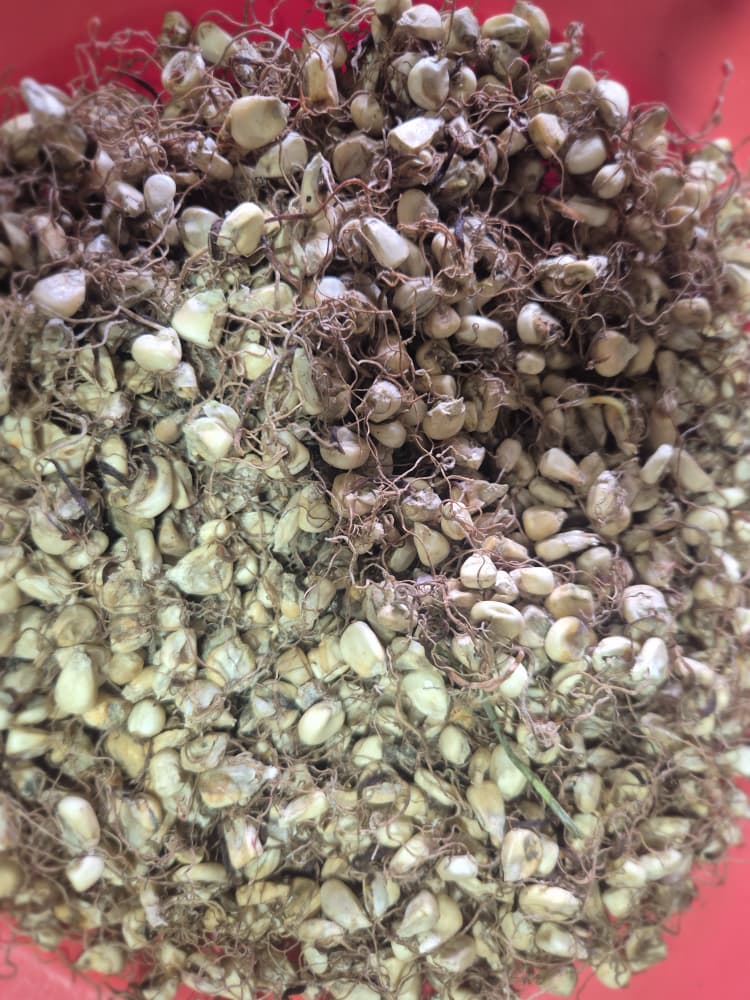
The journey begins with fermented dried corn sprouts. “To prepare the sprout,” Madam Boye explained, “the corn is soaked for three days, then spread on a tray and covered to prevent sunlight. It is watered morning and evening until it sprouts, after which it is dried thoroughly.”
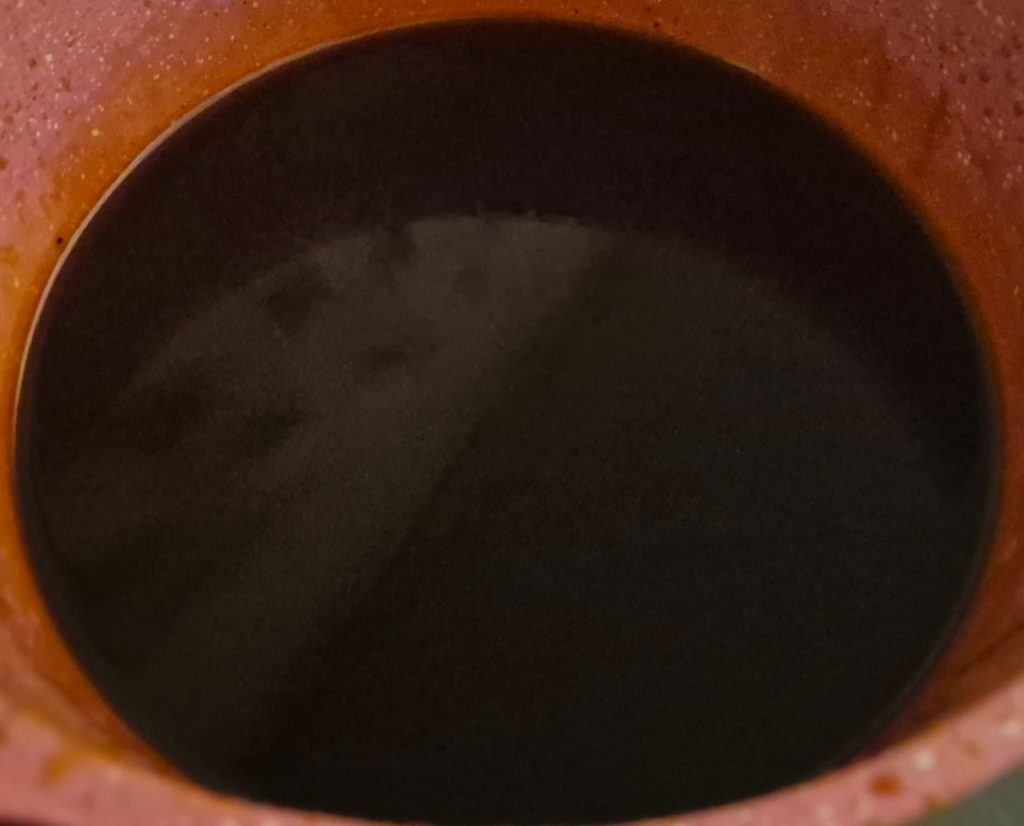
Following this initial stage, the dried sprouts are meticulously milled. This milled corn is then combined with water and a small amount of flour or fermented corn dough water. The mixture is subsequently boiled until thoroughly cooked.
The distinction between asaana and ŋmaadaa emerges during this cooking phase. For ŋmaadaa, salt, sugar, and caramelised sugar – cooked beyond the typical amber stage to impart a smoky flavour – are introduced during the cooking process. Conversely, for asaana, sugar and caramel are added after the cooking is complete and the mixture has cooled. The asaana is then sieved and allowed to ferment for a minimum of 24 hours.
The Nuances of Storage
The differences between these beverages extend to their storage requirements. Asaana possesses a remarkable resilience, capable of lasting for several days without the need for refrigeration. Ŋmaadaa, however, is considerably more delicate. “If you add water or ice directly to ŋmaadaa, it will spoil,” Madam Boye cautioned. “That is why we refrigerate it in bottles if it needs to be chilled, unlike asaana, which can directly take ice.”
Changing Times, Shifting Markets
Beyond its intrinsic cultural value, Asaana has historically served as a vital source of livelihood for many. Madam Boye reminisced about earlier times when vendors would achieve substantial sales at large public venues, such as the Accra Sports Stadium and the El-Wak Stadium, during football matches. Trade fairs, schools, and church conventions were also significant marketplaces.
However, the landscape has evolved. “Changing times have altered that landscape,” she observed, noting a reduction in stadium activities and a diminished vibrancy at the Trade Fair Centre. “Even in schools, access for vendors are now limited.”
Despite these challenges, new avenues for commerce have emerged. The increasing popularity of establishments that celebrate local themes and traditional beverages, particularly at weddings, parties, and funerals, has created new opportunities. Vendors are now frequently contracted to supply asaana and ŋmaadaa for these events. While this shift offers a measure of relief, Madam Boye acknowledged that it does not replicate the consistent demand experienced in previous years.
Preserving Taste, Preserving Identity
A growing concern among vendors like Madam Boye is the gradual decline in the patronage of these traditional drinks, a trend attributed to the influence of modern lifestyles and evolving food preferences. She passionately urged the youth to embrace indigenous foods and beverages, emphasizing that they represent far more than mere sustenance. “These drinks are not just for refreshment; they carry our tradition and culture. We must not forget them,” she implored.
A Culture in Every Sip
From the distinct communities of Gamashi, Osu, La, Teshie, Tema, and Kpone, and indeed across all Ga-Dangme communities, asaana and ŋmaadaa remain more than just beverages. They are potent symbols of continuity, forging a powerful link between birth and ancestry, ceremonies and identity, and the echoes of the past with the vibrancy of the present. In every single sip lies a narrative: a story of the land, of its people, and of a culture that steadfastly endures, one cup at a time, cherishing the multitude of foods and drinks that the people derive from corn.