UK Forces Authorised to Intercept Russian “Shadow Fleet” Vessels in Home Waters
British military forces have received the green light to board and detain vessels belonging to Russia’s so-called “shadow fleet” operating within UK territorial waters. This significant development, announced by the Defence Secretary, signals a robust stance against Russia’s alleged circumvention of international sanctions, aimed at disrupting the funding of its military operations in Ukraine.
Russia has been accused of utilising a fleet of ships that operate without a valid national flag. This tactic is reportedly employed to evade sanctions imposed on its oil exports, thereby generating revenue to sustain its ongoing conflict. The legal framework enabling such interceptions was identified by ministers in January, but the final approval for the military action was only granted by the Prime Minister on Thursday.
When questioned about the delay in authorising this measure, the Defence Secretary, John Healey, explained that operations of this nature necessitate comprehensive training, meticulous preparation, thorough discussions with allies, and a clearly defined legal basis. He confirmed that these prerequisites have now been met, stating that the decision serves as a clear signal of the UK’s intent to take action against any illegal and sanctioned “shadow” vessels encountered.
Analysis from BBC Verify indicated that a considerable number of sanctioned vessels transited through the English Channel in the weeks following the identification of the legal mechanism in January. This underscores the urgency and importance of the newly authorised military intervention. Ministers are keen to highlight the persistent threat posed by Russia, even as global attention has been significantly focused on the Middle East in recent weeks.
Sir Keir Starmer, commenting on the development, asserted that this move would effectively starve “Putin’s war machine of the dirty profits that fund his barbaric campaign.”
The authorisation to board these vessels comes as the Prime Minister is attending the Joint Expeditionary Force (JEF) summit in Helsinki, Finland. The JEF is a military coalition comprising northern European nations. Sir Keir Starmer is also scheduled to address the summit.
In recent weeks, personnel from the Royal Navy have been actively involved in assisting allied nations, including Finland, Sweden, and Estonia, with the crucial task of monitoring and tracking vessels associated with the shadow fleet.
While no UK military personnel have yet boarded any of these vessels, senior government officials are eager for this to change, viewing it as a critical step in enforcing sanctions. Specialist military units have undergone rigorous training in recent weeks, engaging in wargaming scenarios designed to prepare them for various eventualities, including dealing with potentially armed crews.
This training is understood to be complete, and officials at the Ministry of Defence are operating under the assumption that the first operational boarding and detention will occur in the near future. The specific units involved in these operations could include the elite Special Boat Service and the Royal Marines, with the deployment depending on the anticipated level of resistance from the crews of the targeted vessels.
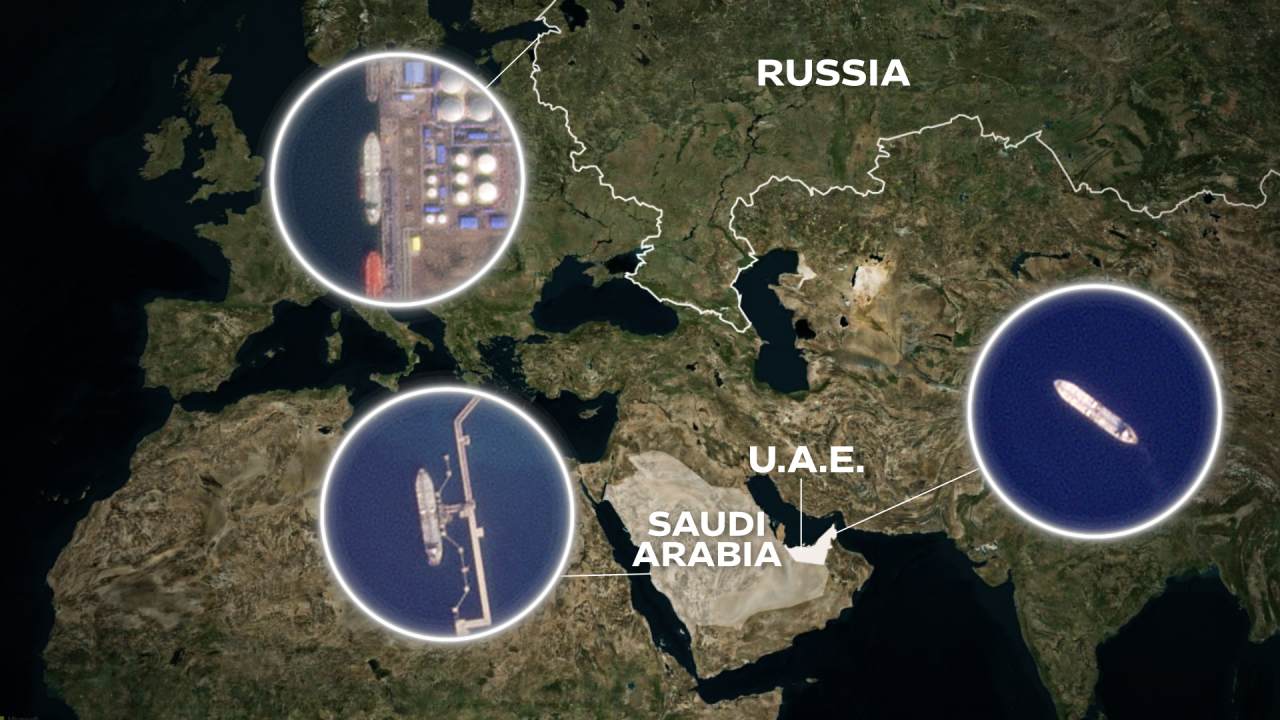
The British government estimates that approximately 75% of Russia’s crude oil is transported via older ships. To date, sanctions have been imposed on 544 vessels believed to be part of the shadow fleet. Advanced ship-tracking technology plays a vital role in identifying sanctioned vessels heading towards UK waters, often weeks before their arrival. Military planners and defence officials are actively monitoring these tracking systems to pinpoint the initial targets for boarding and detention.
This initiative builds upon previous actions. Earlier this year, British armed forces collaborated with US troops in the seizure of the oil tanker Marinera. American officials had accused the tanker of violating sanctions by transporting oil for Venezuela, Russia, and Iran. Following this, British ministers began exploring the feasibility of UK forces leading similar operations against sanctioned vessels traversing British waters.
The legal foundation for these actions has been established through the Sanctions and Anti-Money Laundering Act of 2018, which provides the legal authority for the use of military force in such circumstances. The Defence Secretary, John Healey, and the Attorney General, Lord Hermer, have engaged in detailed discussions with their counterparts within the Joint Expeditionary Force to thoroughly examine the precise legal implications across a range of potential scenarios.
Speaking ahead of the JEF summit, Sir Keir Starmer characterised the current global landscape as “increasingly volatile and dangerous.” He elaborated on the strategic implications, stating, “Putin is rubbing his hands at the war in the Middle East because he thinks higher oil prices will let him line his pockets. That’s why we’re going after his shadow fleet even harder, not just keeping Britain safe but starving Putin’s war machine of the dirty profits that fund his barbaric campaign in Ukraine.”
A spokesperson for the Conservative Party acknowledged the importance of efforts to exclude sanctioned ships from UK waters. However, they also criticised the Labour Party, stating, “But Labour’s failure to back our armed forces with the resources they need shows he is in denial about the scale of the threats our country faces.”