As millions of Britons eagerly plan their escapes for 2026 and 2027, travel experts are issuing stark warnings about eight common “red flag” scams designed to ruin holidays and empty bank accounts. The scale of the problem is significant, with fraudsters having already swindled over £11 million from UK holidaymakers in the past year alone. Reflecting a growing unease, searches for “travel scams” have surged by an alarming 648 per cent in the same period.
Jane Bolton, managing director of ski holiday provider Erna Low, has shed light on the most prevalent schemes that catch travellers off guard. She emphasizes that criminals are becoming increasingly sophisticated, employing tactics that can be difficult to detect. From deceptively real-looking fake flight cancellation messages to cloned airline websites that are virtually indistinguishable from the genuine articles, understanding these swindles is crucial for booking your next adventure with confidence.
The Deceptive Landscape of Travel Scams
Criminals are employing a variety of sophisticated methods to target unsuspecting travellers. These range from seemingly irresistible offers to exploiting trust and creating artificial urgency.
1. “Too Good To Be True” Deals on Social Media
One of the most common lures is the promise of exceptionally cheap luxury villas or return flights. These “too good to be true” bargains are strategically employed by scammers to pressure travellers into making impulsive decisions without proper scrutiny.
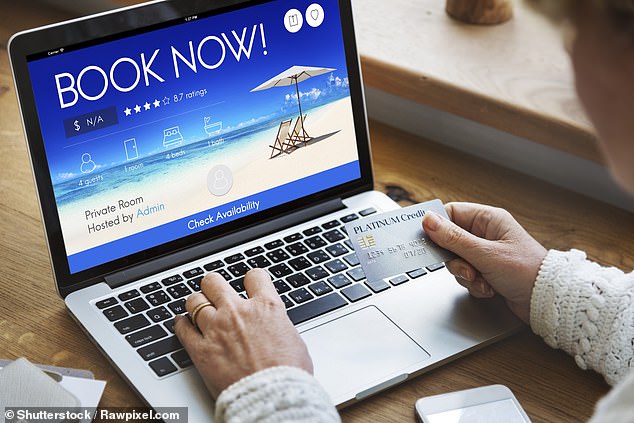

If a price point seems suspiciously low compared to the prevailing market rates, it is a significant red flag. Bolton advises, “Always book through reputable travel companies or trusted booking platforms with secure payment systems, and never send money by bank transfer to ‘hold’ a deal.”
2. Fake Flight Cancellation Emails or Texts
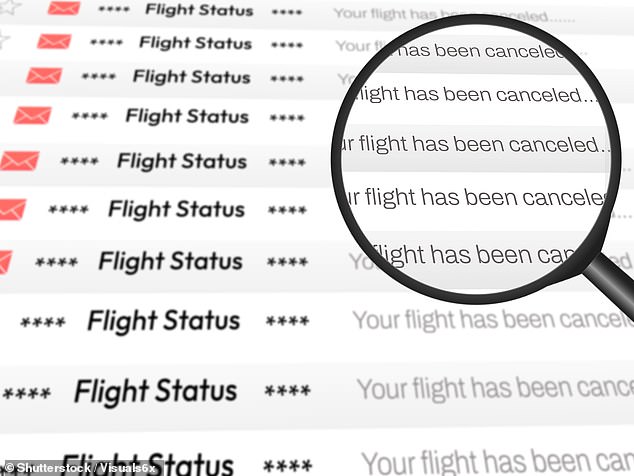
Another prevalent scam involves fraudsters sending meticulously crafted fake emails or text messages. These messages often claim a flight has been cancelled or alert the recipient to hidden fees, aiming to create a false sense of urgency. The messages can appear impressively professional, sometimes even using official logos to trick recipients into acting quickly without verification.
Bolton’s advice is clear: “Never click links in unexpected messages. Instead, log into your booking account directly through the official website to check for updates. Airlines and reputable travel companies won’t ask for sensitive details through random links.”
3. Cloned Airline or Travel Websites
Cybercriminals are investing considerable effort into creating fake websites that almost perfectly mimic well-known airlines and travel brands. These imposter sites are incredibly convincing, often featuring web addresses that differ from the legitimate ones by only a single letter, making them easy to overlook.
To safeguard yourself, Bolton recommends typing the official URL directly into your internet browser instead of clicking on advertisements or links. She adds, “Double check the web address carefully, and use established booking channels that clearly display secure payment options and company details.”
In a concerning development, experts have previously warned of scammers targeting holidaymakers on popular booking platforms by sending false messages and emails from seemingly legitimate hotel accounts. These messages, appearing to originate from within the platform, trick tourists into sending payments directly to the scammers. The messages falsely inform the holidaymaker that their card has been declined or that their payment details need verification. The scammers then direct victims to a fraudulent link to enter their banking details, ultimately leading to financial theft.
4. Requests to Make Payment Outside the Platform
A major red flag is any request to complete a transaction outside of a secure, official booking system. Scammers frequently devise excuses, such as technical glitches, to justify asking for a direct bank transfer instead.
To remain protected, Bolton stresses the importance of keeping all communication and payments within the official platform. This ensures access to booking protection, official records, and customer support should any issues arise.
This tactic is also employed by fraudsters posing as airline workers who contact British holidaymakers demanding payment for a “seat guarantee” on a flight. The caller, pretending to represent a major UK airline, claims there’s a problem with the passenger’s seat selection, often blaming a “system glitch.” They then offer to secure preferred seats over the phone, but only if the traveller pays an additional fee.
5. Booking or Paying Over Public Wi-Fi
Public Wi-Fi networks, commonly found in hotels and airports, are often unsecured, creating an easy environment for hackers to steal private data and payment information. To mitigate this risk, it is crucial to avoid entering sensitive details while connected to these networks. Instead, use your mobile data or a secure connection for bookings. Furthermore, disabling automatic Wi-Fi connections on your phone can prevent unintended connections to potentially risky networks.
Bolton continues, “Using a trusted VPN can add an extra layer of security when you must access Wi-Fi in public places.”
6. Fake Travel Insurance Providers
The scam landscape extends beyond flights and accommodation to include remarkably cheap travel insurance policies. These policies appear legitimate but offer no actual cover, with travellers often only discovering they’ve been conned when they attempt to make a claim.
Bolton advises, “Always check that an insurer is authorised by the Financial Conduct Authority before buying. If the price is significantly lower than everywhere else, it’s worth double checking.”
7. Scam Customer Service Numbers
Scammers frequently create fake customer service numbers that appear in search results. These misleading numbers are designed to trick travellers into sharing private information or making payments under false pretences. To protect yourself, always use contact information found directly on official websites. If a number appears suspicious, verify it through a trusted source before making contact.
8. Pressure Tactics and Countdown Timers
Scammers frequently employ high-pressure tactics, such as fake countdown timers and warnings of limited availability, to force travellers into paying before they have had adequate time to think or research. Legitimate companies will not demand immediate payment without providing travellers the opportunity to review and confirm their purchase.
Bolton concludes, “If you feel rushed, pause and research before committing.” By being aware of these common scams and following expert advice, travellers can significantly reduce their risk and enjoy their well-deserved getaways with peace of mind.