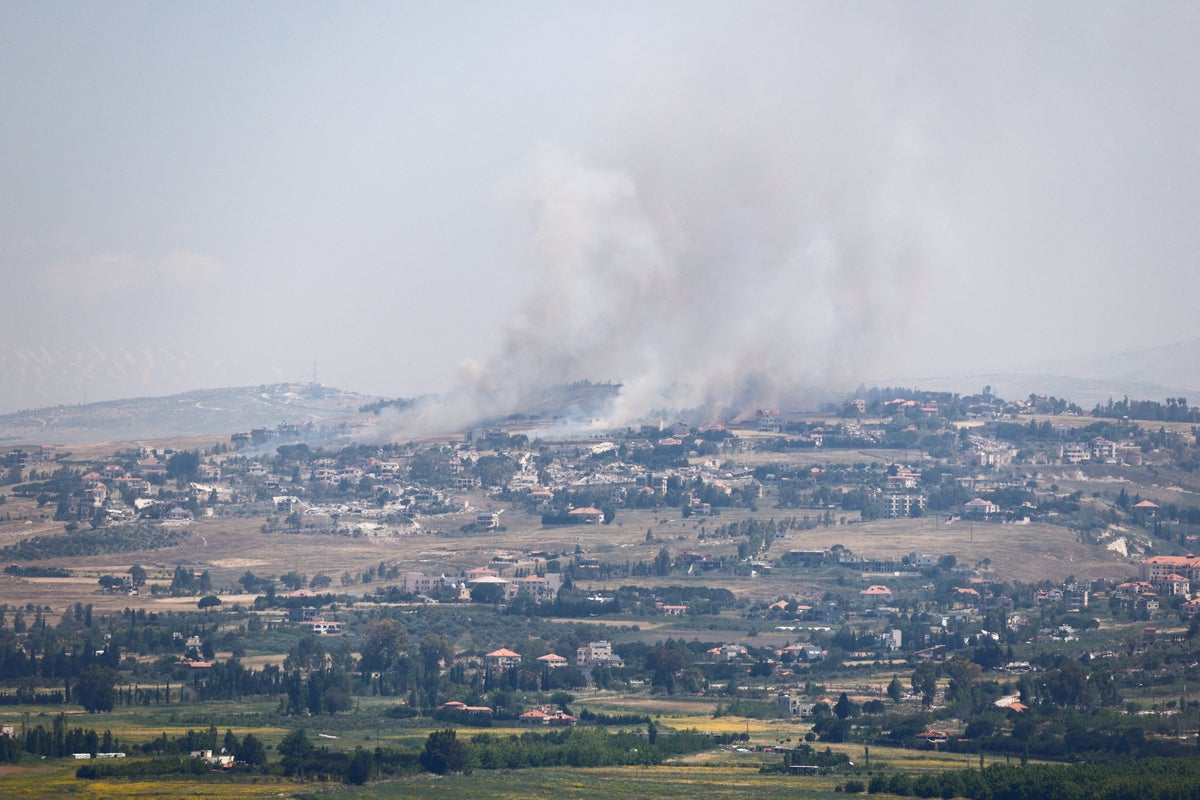
Israeli Forces Ordered to Strike Beirut Suburb Amidst Escalating Conflict
Prime Minister Benjamin Netanyahu has directed Israeli forces to launch strikes on the southern suburbs of Beirut, an area known as Dahiyeh. This directive follows an expansion of the Israeli military’s incursion into southern Lebanon, with troops reportedly pushing north of the Litani River and reclaiming the strategically significant Beaufort Castle. This marks the recapture of the historic site 44 years after its initial occupation by Israeli forces on Sunday, 31 May.
The ongoing hostilities see both Israel and Hezbollah accusing each other of breaching the nominal ceasefire that was brokered by the United States and officially commenced on 17 April.
A joint statement from Prime Minister Netanyahu and Defence Minister Israel Katz declared, “In light of the repeated violations of the ceasefire in Lebanon by the terrorist organisation Hezbollah and the attacks on our cities and citizens, Prime Minister Benjamin Netanyahu and Defence Minister Israel Katz have instructed the IDF to strike terror targets in the Dahiyeh district of Beirut.”
Benjamin Netanyahu says he has ordered Israeli forces to strike Beirut’s southern suburbs, known as Dahiyeh.
Dahiyeh is widely recognised as a stronghold for Hezbollah and has been a primary target of Israel’s aerial bombardments of the capital. This densely populated residential suburb is predominantly inhabited by Shia Muslims, though it also includes Christian communities and Palestinian refugees.
For several weeks, the United States had actively urged Israel to refrain from striking Beirut, as part of a broader diplomatic effort aimed at de-escalating the conflict and facilitating a peace agreement. Peace negotiations involving Israel, Iran, and the US are reportedly ongoing this week, with Iran emphasising that a truce in Lebanon is an indispensable component of any potential accord.
Iran’s foreign ministry spokesperson, Esmaeil Baghaei, said on Monday that Israeli attacks in Lebanon were among the factors causing a delay to the diplomatic process to end the US-Iran war.
The French Foreign Minister, Jean-Noel Barrot, has called for an emergency session of the UN Security Council to address Israel’s military operations in Lebanon, which he has characterised as unacceptable. “Nothing can justify the prolongation of Israeli military operations in Lebanon and its increasingly deep occupation of Lebanese territory,” he stated.
Similarly, British Foreign Secretary Yvette Cooper, speaking on Sunday, implored both Israel and Hezbollah to cease the escalating conflict. “Israel’s military escalation in Lebanon has killed and displaced civilians, destroyed infrastructure, and eroded space for diplomacy,” Ms Cooper wrote on the social media platform X. “It must end.” She further added that Hezbollah “must end attacks on Israel and disarm.”
Human Cost of the Escalation
The human toll of the ongoing military campaign is significant. Lebanon’s health ministry has reported that the death toll has surpassed 3,370, with an additional 10,269 individuals sustaining injuries since 2 March. This period commenced with Hezbollah launching strikes into Israel, reportedly in retaliation for the death of Iran’s Supreme Leader in US-Israeli operations. Israel, in turn, states that 24 of its soldiers and four civilians have been killed during the same timeframe.
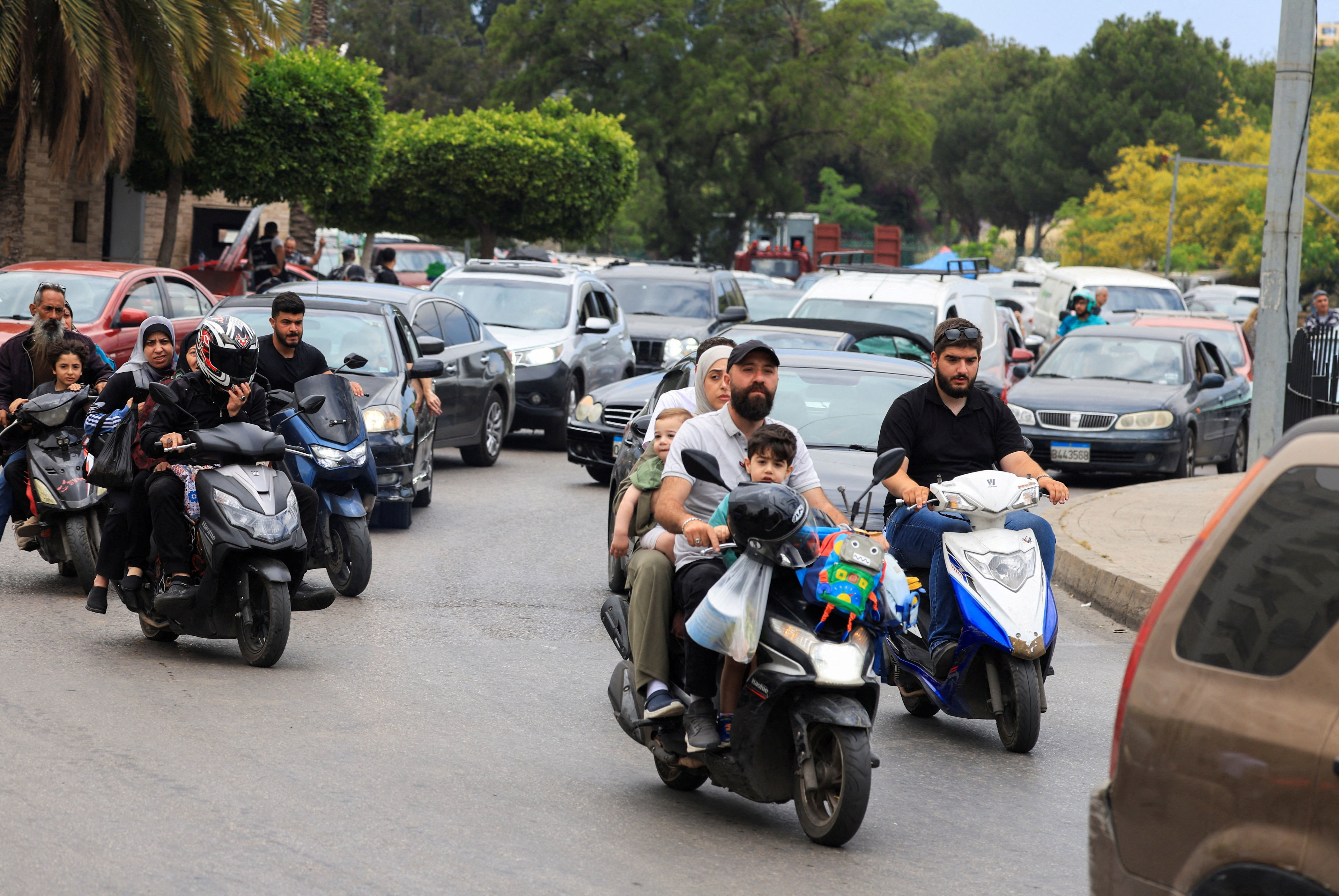
The southern region of Lebanon has seen widespread displacement, with over 1.2 million people forced to evacuate their homes following evacuation orders from Israeli troops. Most recently, on Wednesday, residents living south of the Zahrani River in Lebanon were instructed to leave their homes and relocate to the north.
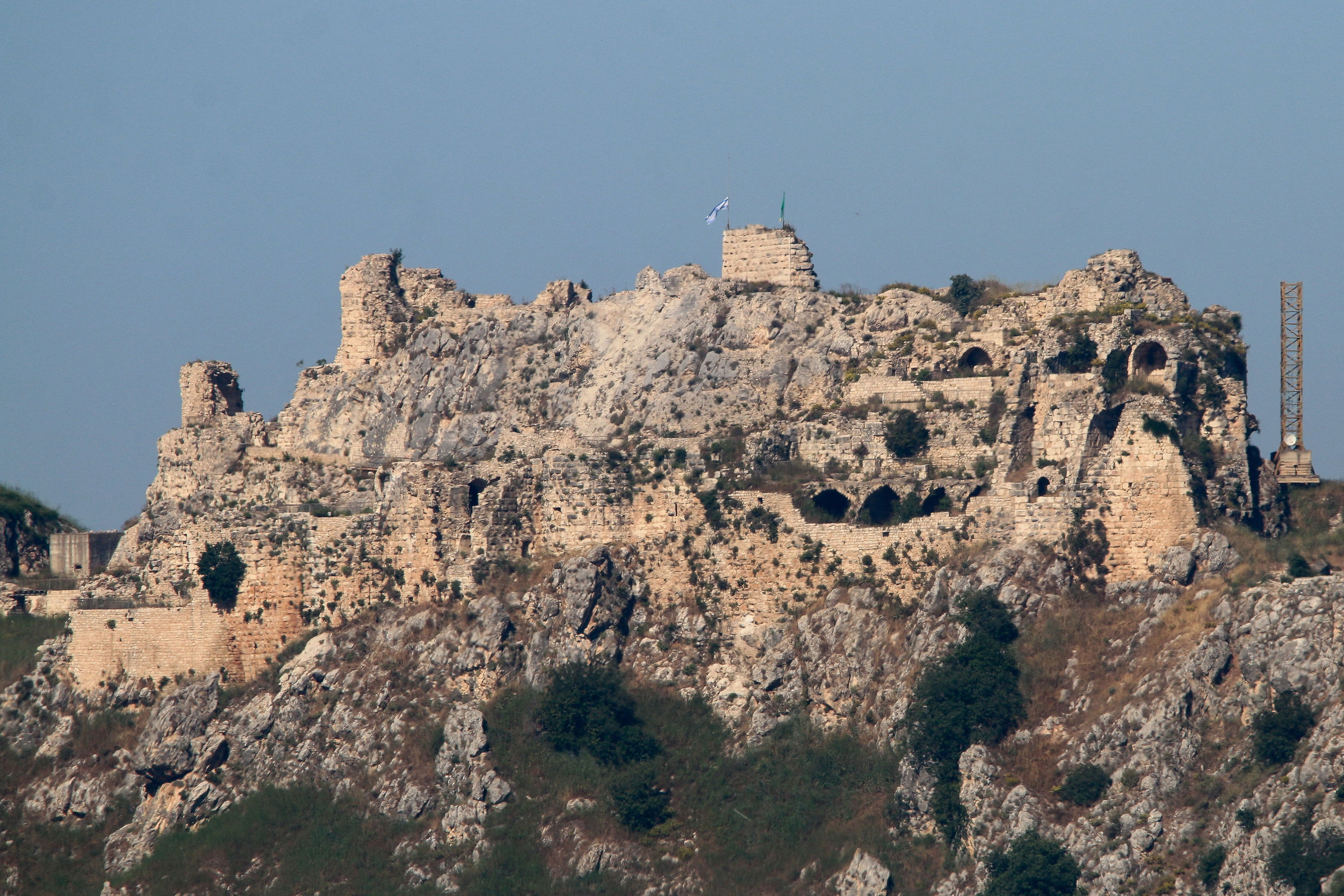
The Israeli military expanded its incursion into southern Lebanon, pushing north of the Litani River and recapturing the strategic Beaufort Castle on Sunday 31 May, 44 years after it first occupied it.
In recent days, Israeli military aircraft have subjected towns and villages in the south to intense airstrikes, including the historic city of Tyre, a designated UNESCO World Heritage Site.
Médecins Sans Frontières (MSF) reported last week that its medical teams supporting local hospitals in Tyre and Nabatiyeh have been dealing with continuous influxes of casualties suffering from severe injuries. These include skull fractures, traumatic brain injuries, and shrapnel fragments from drone explosions lodged in vital organs such as the lungs and liver.
“In some cases, entire families have been injured or killed,” stated Jeremy Ristord, MSF head of mission in Lebanon. He further warned, “This worsening situation risks having further consequences on people’s access to healthcare. If medical teams, including MSF staff, are forced to suspend activities, communities will be left without life-saving care at a time when needs are critical.”
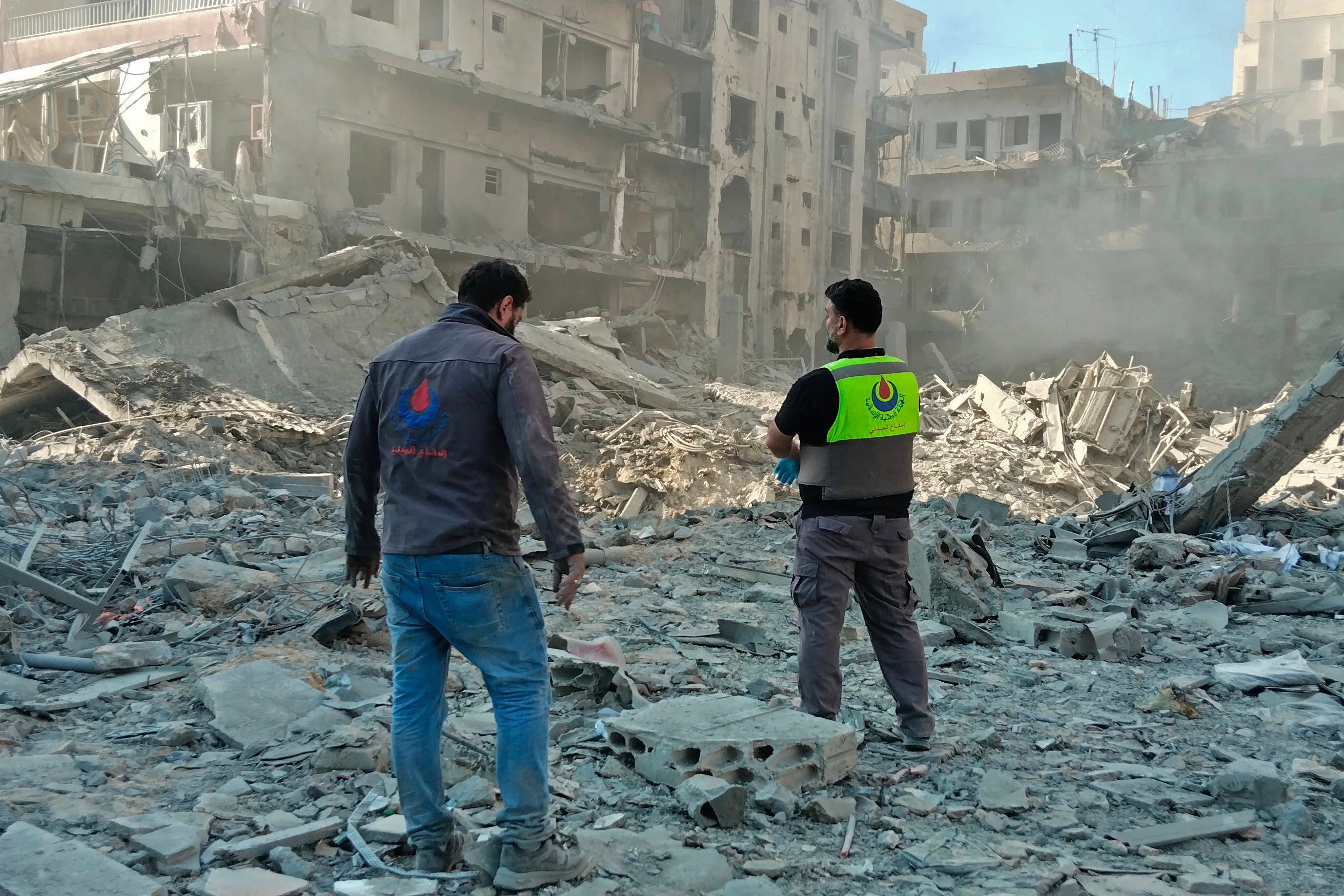
Over the last few days, the Israeli military has pummelled towns and villages in the south with airstrikes, including the historic city of Tyre, which is a Unesco World Heritage Site.
The escalating conflict is not only causing immense human suffering but also posing a severe threat to critical infrastructure and hindering vital humanitarian efforts. The international community continues to call for a de-escalation and a return to diplomatic pathways to resolve the crisis.