
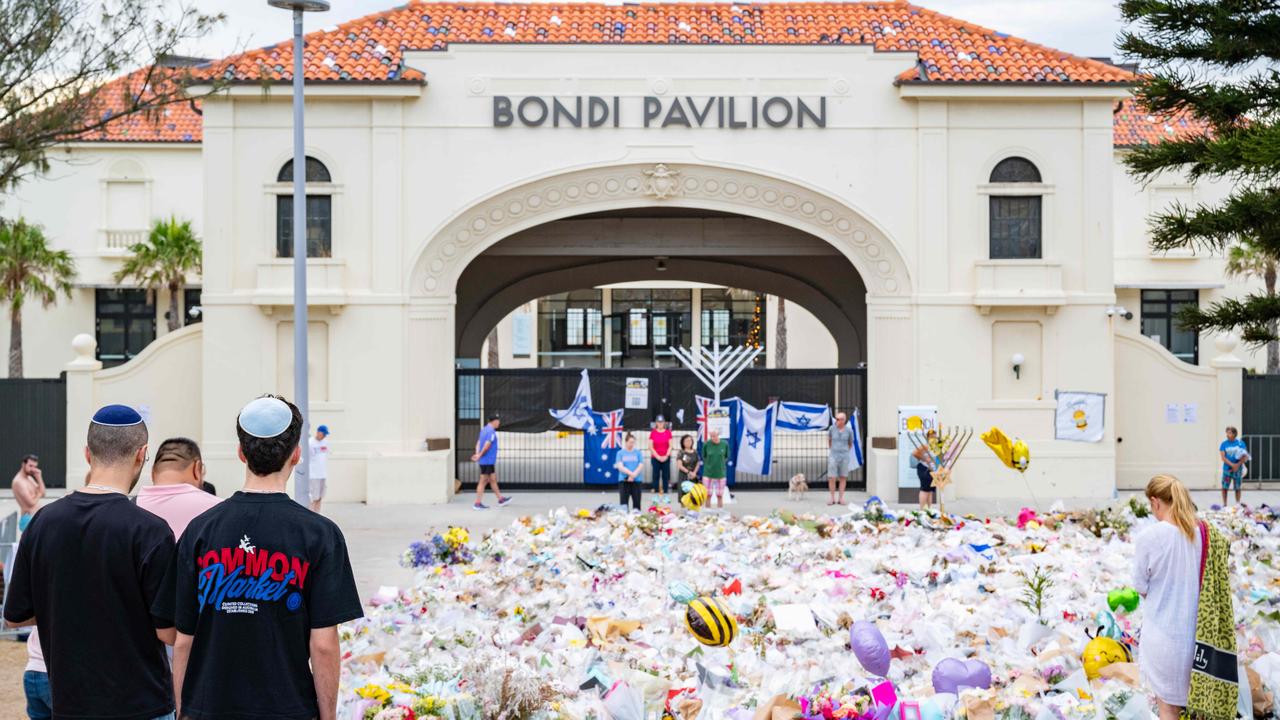
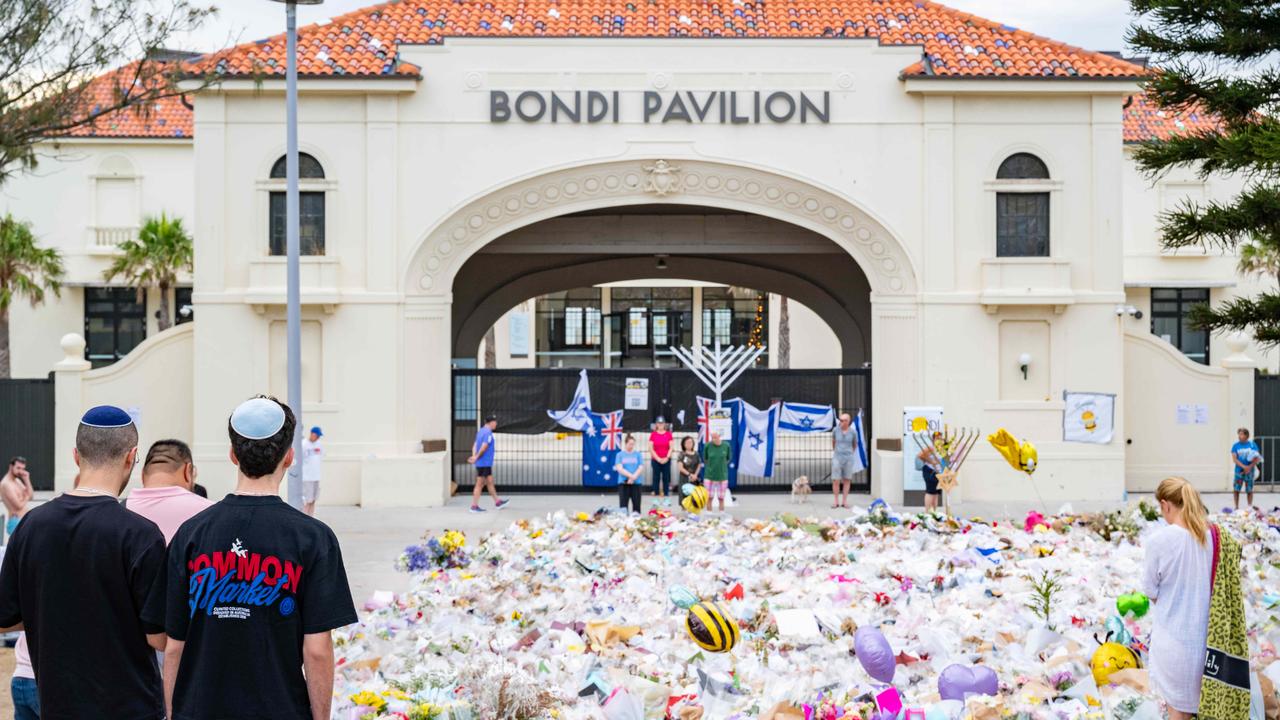
The shocking reality of Australia’s deadliest terror attack, which unfolded in a mere 29 seconds at the iconic Bondi Beach, is being laid bare before a Royal Commission. This devastating event, which saw 11 people shot, tragically claiming 10 lives, has prompted a deep dive into how a Hanukkah celebration could descend into such catastrophic violence. Counter-terrorism agencies, including ASIO and the NSW Police Force, alongside Jewish security groups, are facing intense scrutiny as they grapple with the critical question of what went wrong.
A Swift and Brutal Assault
During the second block of public hearings for the Royal Commission into Antisemitism and Social Cohesion, senior NSW Police officers and the head of ASIO took the stand. Counsel assisting, Richard Lancaster SC, painted a grim picture of the attack’s onset. He revealed that within the first 29 seconds of alleged gunmen Naveed Akram, 24, and his father Sajid Akram, 50, commencing their assault, 11 individuals were shot, with 10 succumbing to their injuries. The terrifying ordeal continued for nearly eight minutes before Sajid Akram was killed and his son apprehended. Mr. Lancaster described the attack as a “surprise,” with no prior intelligence suggesting an imminent threat. While specific warnings weren’t detailed, the hearing did expose a broader context of escalating community unrest and a concerning rise in antisemitic incidents leading up to the tragedy.
Shifting Threat Levels and Unsettled Times
The national terrorism threat level in Australia had been subject to several adjustments in the years preceding the Bondi Beach attack, as detailed by ASIO director-general Mike Burgess. The threat level had remained at “possible” since 2014, a status that was elevated to “probable” just before the Lindt siege in the same year, driven by intelligence indicating an increase in Australians travelling to the Middle East to join or support extremist groups.
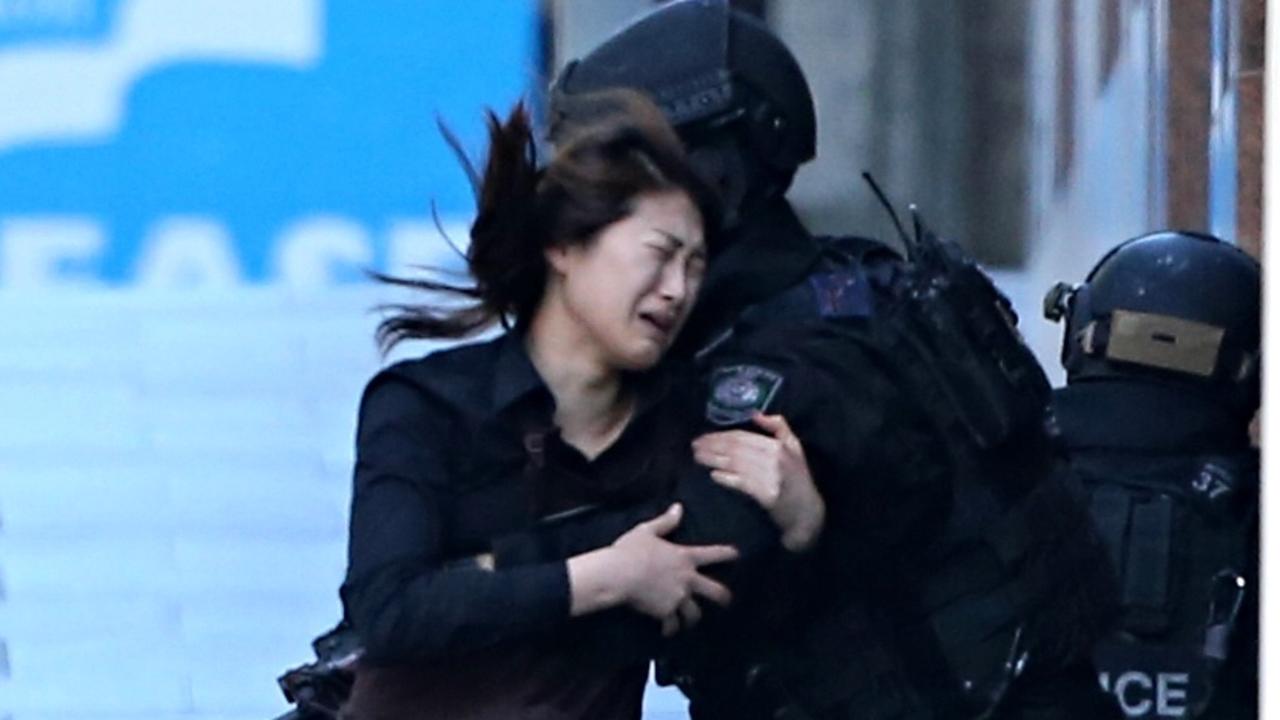
However, this assessment was later downgraded to “possible” in November 2022. Alarmingly, a mere two years later, in August 2024, the threat level was again raised to “probable.” Mr. Burgess explained that a “probable” threat signifies a greater than 50 per cent likelihood of a terror act occurring within the next 12 months. Despite these shifts, the ASIO boss maintained that the agency possessed “sufficient” funding and resources to manage Australia’s security landscape at the time of the Bondi Beach attack, though he acknowledged that resources could be stretched and additional support could be requested if needed.
The Escalation of Antisemitism
The geopolitical landscape, particularly following the October 7 Hamas attacks on Israel, had a profound impact on Australia, eliciting “strong emotions” and leaving the Jewish community deeply affected. Mr. Burgess noted the disturbing sight of individuals celebrating the Hamas attack and acknowledged the highly emotive nature of the issue. He highlighted a period of threatening and intimidating behaviour directed at Jewish Australians throughout late 2023 and into 2024, which eventually escalated to direct targeting of individuals, businesses, and places of worship.
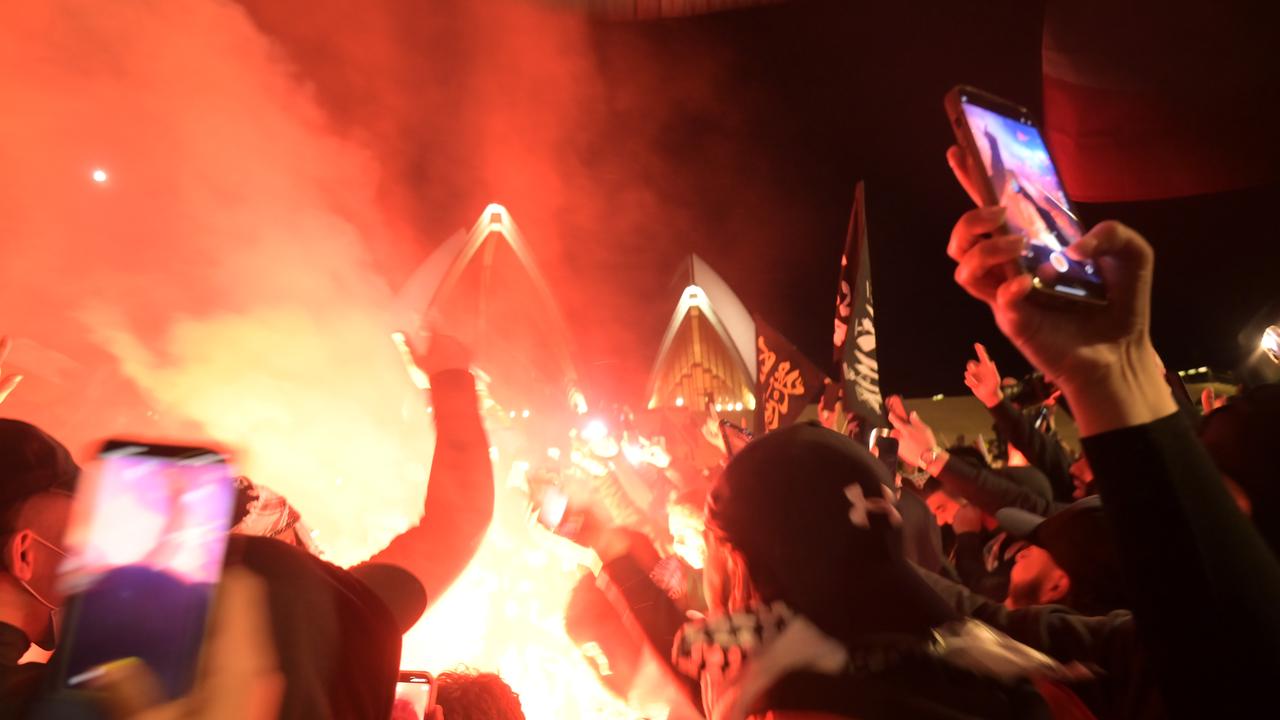
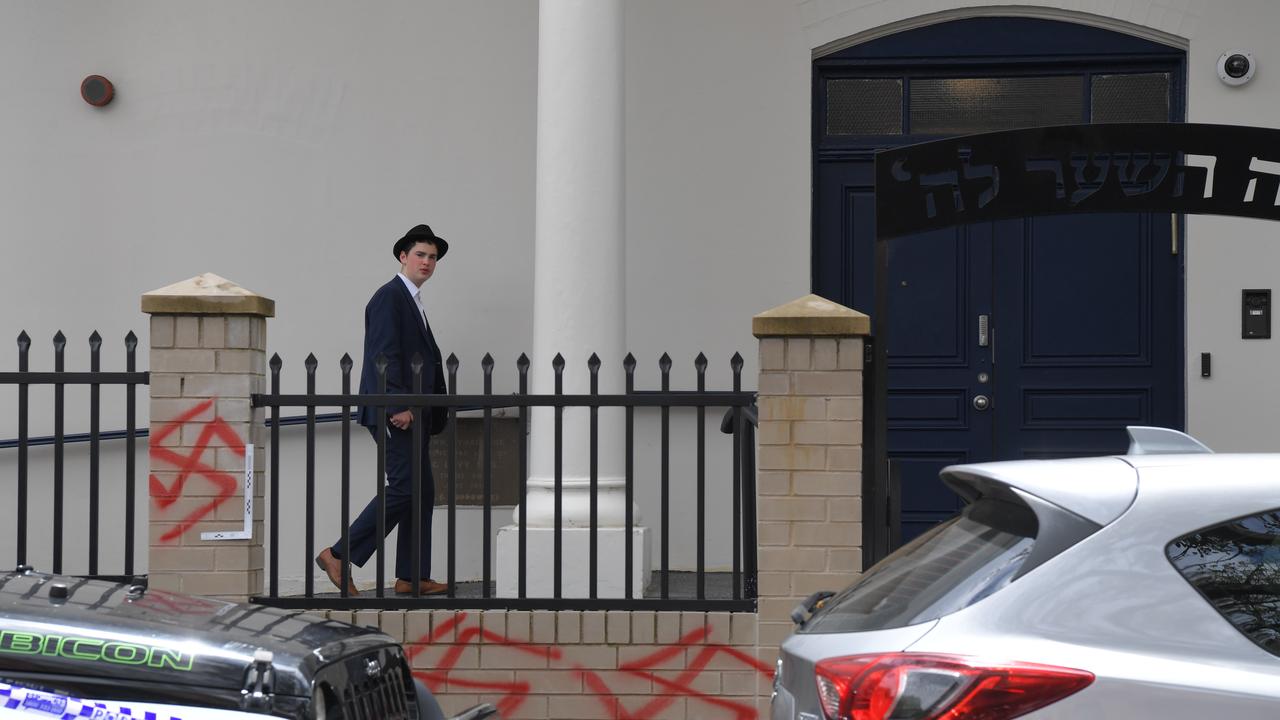
This trend coincided with an increasing display of prohibited hate symbols and support for terrorist organisations like Hamas and Hezbollah. A particularly concerning incident occurred in Dural in 2025, where a caravan containing explosives and antisemitic material, including a threatening note referencing a Sydney synagogue, was discovered. Although later revealed to be part of a “fabricated terrorism plot,” such events had a significant and detrimental impact on the Jewish community’s sense of security, according to AFP Assistant Commissioner Stephen Nutt.
The AFP has received approximately 166 reports of alleged antisemitic crimes since launching Operation Avalite in December 2024, following an arson attack on Melbourne’s Adass Israel Synagogue. Assistant Commissioner Nutt emphasised the interconnectedness of religiously, ideologically, and politically motivated violent extremism, stating, “there was absolutely a concern that antisemitism could escalate to actual terrorist acts.”
In October 2025, the day after a fatal terrorist attack at a synagogue in Manchester, ASIO issued a report detailing the “enduring threat” to Jewish citizens in both the UK and Australia. The report pointed to the timing of the Manchester attack as likely not coincidental, identifying Jewish holy days and significant dates like Hanukkah as “attractive targets for extremists.” This report served as a “specific warning” from ASIO to NSW Police and other agencies regarding the persistent threat to Jewish individuals.
Scrutiny of the Police Response
The NSW Police Force’s actions, both in the lead-up to, during, and in the aftermath of the attack, were also under intense examination. A senior police officer, who remains anonymous, was questioned about requests for a continuous “static police presence” at the Hanukkah event. The officer argued against a purely static presence, stating that dynamic engagement and proactive crime prevention are crucial. The officer expressed concern that a static posture could lead to officers failing to adequately monitor their surroundings.
The “Chanukah by the Sea” event was classified by NSW Police as a Tier 1 community event, the lowest security risk category. Tier 3 events, representing the highest threat, require direct management by counter-terrorism officers. The officer was pressed on whether, given the prevailing climate and the public location of the event, the risk assessment had “significantly understated the risk.” The officer maintained that the event was planned based on the information available at the time, and resources were allocated appropriately. However, in hindsight, the officer conceded that such events should be managed with a level of security similar to that for Jewish High Holy Days. It was noted that in 2023, following the October 7 attacks, a significant NSW Police presence was deployed to the “Chanukah by the Sea” event as part of Operation Shelter, aimed at addressing “significant community fear.”
Deputy Commissioner David Hudson testified that responding officers faced “significant risk” during the gunfight, being outgunned by assailants armed with long arms while equipped with 9mm Glocks. He revealed that both NSW Police and the Police Union had advocated for greater access to long arms in the period leading up to the attack. Last year, NSW Police carried long-armed weapons for the first time during New Year’s celebrations, a measure implemented to bolster public safety in the wake of the terrorist attack.
The Chilling Impact of Online Hate
The hearings also shed light on the disturbing extent of antisemitism in Australia, with witnesses who provided evidence to the commission subjected to severe online abuse. Royal Commissioner Virginia Bell reported receiving accounts of a “dramatic increase in online hate messages” directed at witnesses after they had testified. One such instance has been referred to the Australian Federal Police for investigation. The commission is closely monitoring these incidents and documenting the offensive social media posts.
Commissioner Bell expressed her bewilderment at the motivation behind such “undiluted level of hatred and bigotry directed towards members of the Jewish community.” Tahli Blicblau, CEO of the Dor Foundation, described the online posts as “absolutely horrific” and deeply hurtful to the targeted witnesses. She characterised the abuse as “egregious,” “harsh,” and calling for violence, while also dehumanising individuals. Ms. Blicblau questioned why such behaviour, unacceptable in workplaces or public spaces, would be tolerated online where it can be amplified to millions.
Examples of the vile online commentary included derogatory references to Australia’s Special Envoy to Combat Antisemitism, Jillian Segal, and explicit calls to “kill all Jews.” Disturbingly, a Jewish child who testified was also targeted. The graphic nature of some of these comments precludes their publication.
The Jewish community in Australia is experiencing significant pain and isolation, and further answers may be delayed as the next two weeks of commission hearings will be conducted in private, with approximately 80 per cent of the questioning taking place behind closed doors.
Organisations providing commentary on the royal commission have been contacted for their views. The Executive Council of Australian Jewry declined to comment on the closed hearings but acknowledged that the online abuse directed at witnesses was “awful.”
Public hearings commenced following the release of Commissioner Bell’s interim report, which contained 14 recommendations. Prime Minister Anthony Albanese pledged to implement all recommendations pertaining to the Commonwealth, including calls for enhanced security at Jewish events and improved counter-terrorism cooperation between federal and state agencies. The Prime Minister announced the royal commission on January 8, nearly four weeks after the terror attack, amidst mounting public and political pressure. The commission’s final report is anticipated in December, marking one year since the Bondi attack. Details regarding the next phase of hearings are yet to be announced.

Leave a Reply