
Gunners’ Champions League Dream Crumbles in Penalty Shootout Heartbreak
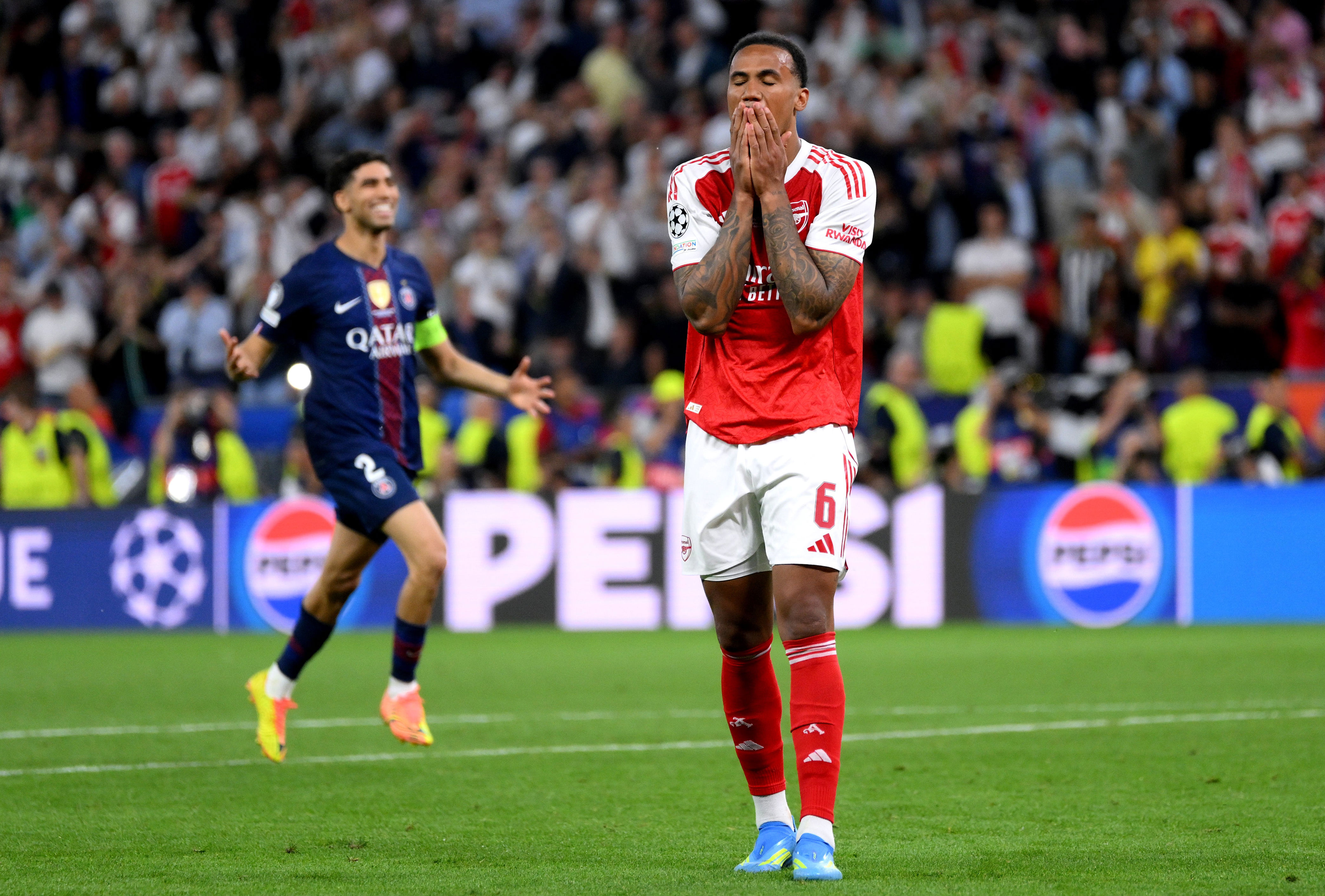
The culmination of Arsenal’s season, a campaign marked by unwavering excellence, particularly from set-pieces, ended in a manner none could have predicted. The very cornerstone of their aerial prowess, Gabriel Magalhaes, found himself in a pivotal, yet ultimately tragic, role – not from a soaring header, but from the penalty spot. In a twist of fate that will haunt the red half of North London, Gabriel blazed his spot-kick into the section of the stadium occupied by jubilant Paris Saint-Germain ultras, sealing a second-place finish in the Champions League, exactly twenty years after their first final appearance.
The atmosphere inside the stadium was a stark contrast to the despondency engulfing Arsenal’s faithful. Amidst the plush seating, legendary manager Arsène Wenger, a figure synonymous with Arsenal’s continental ambitions, appeared pensive. While the scoreline might have offered a glimmer of hope, the echoes of past European final disappointments, particularly the 2006 loss to Barcelona, seemed to weigh heavily. The feeling was palpable: a one-goal lead for Arsenal in a Champions League final was a precarious position, a ghost of seasons past that refused to be exorcised.
Mikel Arteta, a manager lauded for his meticulous attention to detail and seemingly leaving no stone unturned, appeared to have overlooked a critical element: the penalty shootout. Matvei Safonov, Paris Saint-Germain’s goalkeeper, had endured a shaky performance throughout the match, making unconvincing saves. Yet, in the decisive shootout, he proved to be the unlikeliest of heroes, saving nothing from Arsenal’s attempts. Despite David Raya’s spectacular save from Nuno Mendes, the Gunners faltered. Eberechi Eze’s stuttering run-up culminated in a tame side-foot wide, and Gabriel’s subsequent sky-high effort sealed their fate.
The adage “live by the set-piece, die by the set-piece” seemed to ring true. Arsenal’s Champions League journey concluded not with a defeat in open play, but in a penalty shootout, despite remaining undefeated across 90 or 120 minutes throughout the entire competition. Their tournament record was impeccable, a testament to their resilience and tactical discipline, leading many to believe they were Europe’s finest this season. However, against the reigning European champions, a side that undeniably possesses the “eye test” of footballing excellence, Arsenal displayed an uncharacteristic inferiority complex.
The statistics painted a stark picture of Arsenal’s approach. They managed a mere 199 passes compared to PSG’s staggering 837. The Gunners’ passing efficiency was also telling, with just 1.3 passes per kilometre run, significantly less than PSG’s 6.6. This scarcity of the ball contributed to a possession statistic that varied wildly between UEFA’s 36% and Opta’s more telling 24.7%.
In moments, it seemed as though Arteta’s formative years at La Masia had been momentarily forgotten. Instead of the fluid, possession-based football associated with his mentors like Pep Guardiola, his tactical approach bore a resemblance to the pragmatic styles of David Moyes, or even Tony Pulis, particularly when his defensive setup saw a right-back deployed as a centre-back, a left-back also shifted centrally, and his two recognised centre-backs holding their positions.
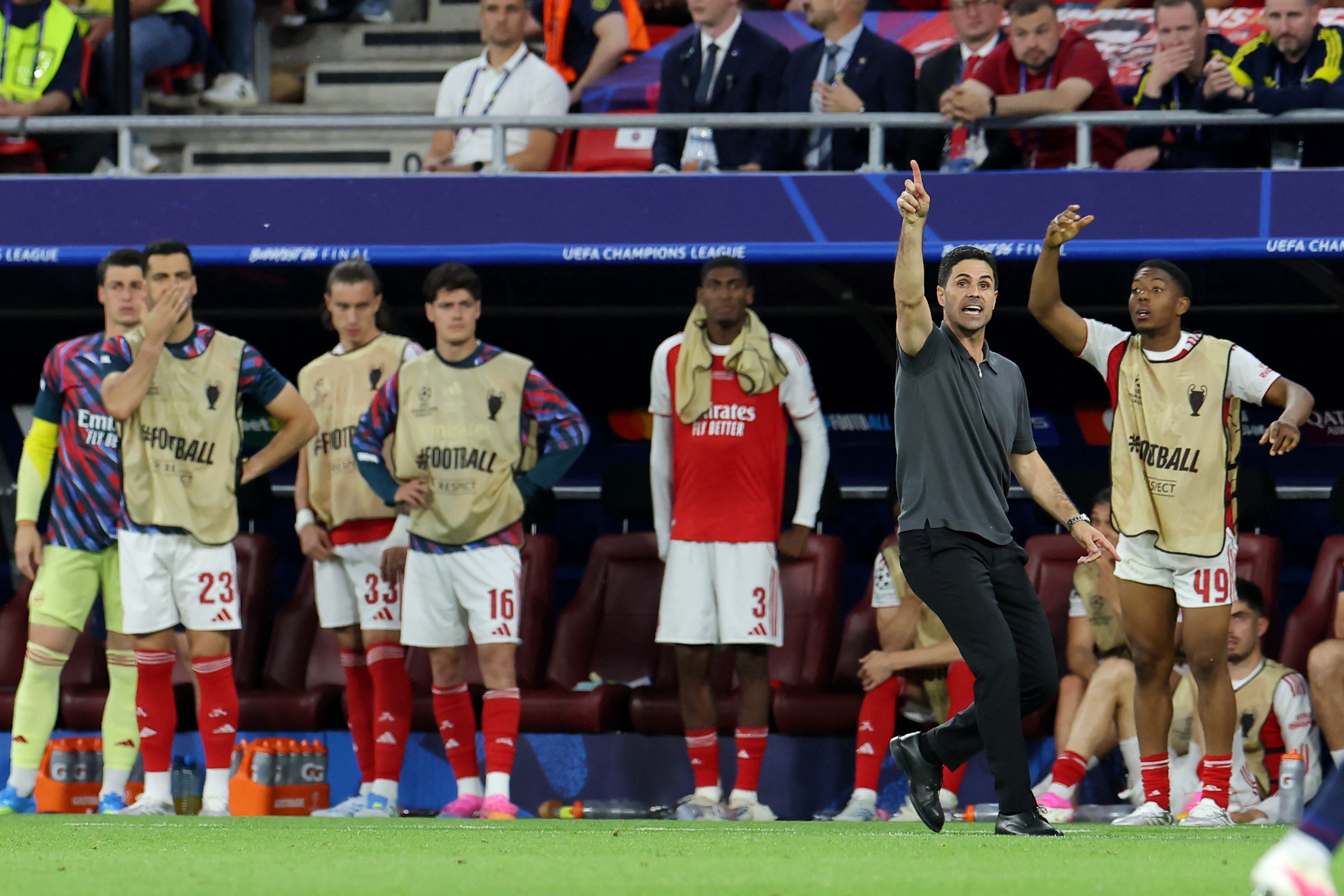
However, one could argue that challenging PSG at their own game would have been a foolhardy endeavour. Bayern Munich, who contested a thrilling semi-final against PSG, ultimately succumbed to a 5-4 defeat at the Parc des Princes. That encounter, for many, was the true final of the competition. Yet, Arsenal had navigated their path to the actual final through their own distinct brand of attrition. Arteta’s Arsenal, through sheer grit and defensive organisation, had proven to be a side that PSG struggled to break down.
The narrative leading into the final was one of attack versus defence. Arsenal, by their own design, found themselves defending for large portions of the match, a consequence of their limited offensive output. After Kai Havertz’s sixth-minute opener, the Gunners failed to register another shot on target for the remaining 114 minutes of play, a statistic that, given PSG’s perceived vulnerabilities and Safonov’s unconvincing display, felt like a significant missed opportunity.
Conversely, PSG also failed to unleash their full attacking potential. While they had been devastating against Inter in the previous season’s final, they were effectively stifled and drawn into a less dynamic game by Arsenal’s defensive discipline. Arteta’s side managed to neutralise key threats, with Khvicha Kvaratskhelia, Ousmane Dembele, and Vitinha all being substituted.
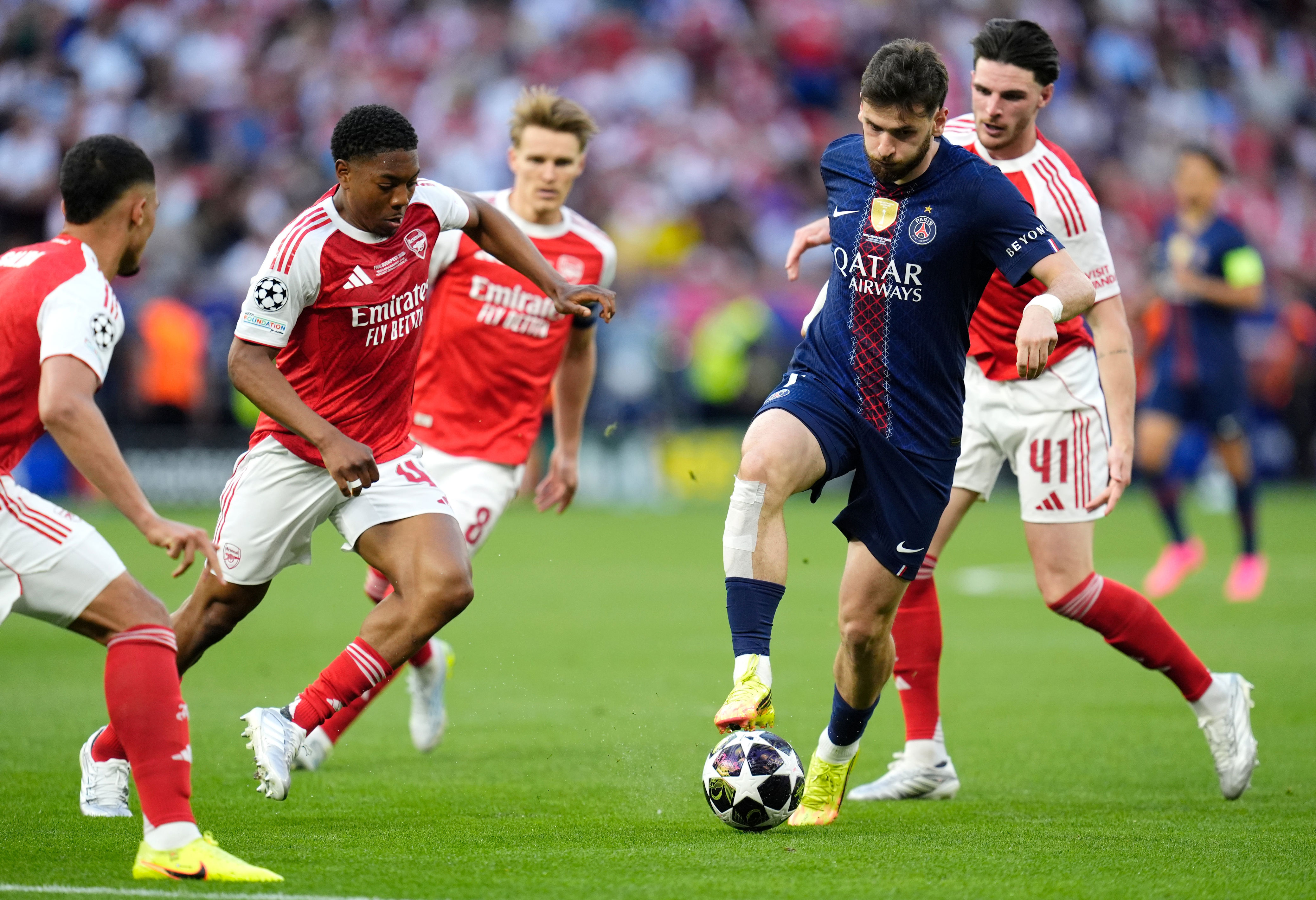
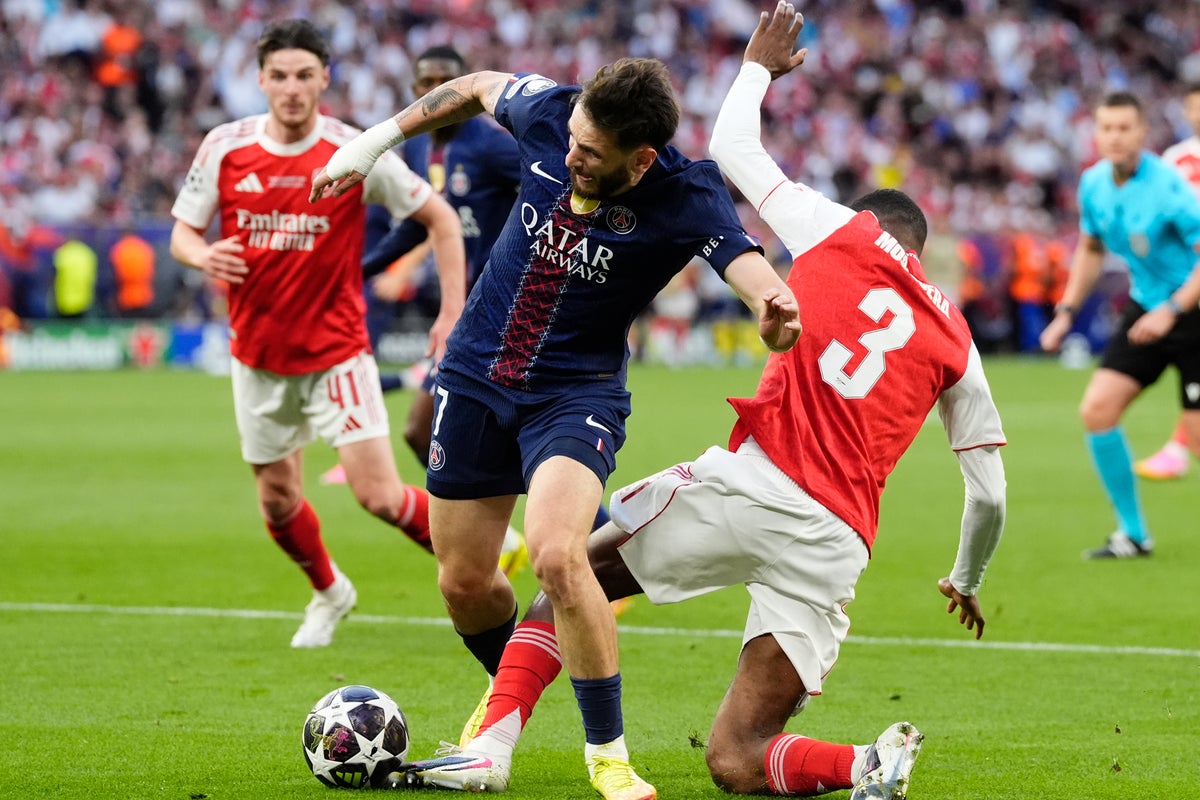
Arsenal delivered a masterclass in off-the-ball organisation, structure, and concentration. Their defensive shape, often a 4-4-2-0 formation with no players near the halfway line, was a testament to their tactical discipline, effectively creating three distinct defensive lines. This approach demanded absolute flawlessness, a standard they ultimately failed to maintain. Cristhian Mosquera, deputising at right-back, was caught on the wrong side of Kvaratskhelia for the penalty that levelled the score, ending Arsenal’s 59-minute lead.
This defensive strategy, while effective in many aspects, came at a significant cost to Arsenal’s attacking threat and individual performances. Martin Ødegaard, a lynchpin in midfield, was substituted after a mere 12 touches in 65 minutes, a seemingly wasteful deployment of his considerable talent. Bukayo Saka, too, was largely muted throughout the contest. While Leandro Trossard registered an assist, it was through a fortunate charge-down of a clearance rather than a moment of creative brilliance.
The standout exception among Arsenal’s attackers was the impressive Kai Havertz. Arteta’s decision to omit Viktor Gyökeres, a player who had delivered a crucial performance in the semi-final first leg against Atlético Madrid, highlighted the manager’s unsentimental approach to selection. Havertz, starting in the final, etched his name into the record books as only the third player to score in Champions League finals for two different clubs. However, much like Mario Mandžukić, his second final goal did not result in a victory.
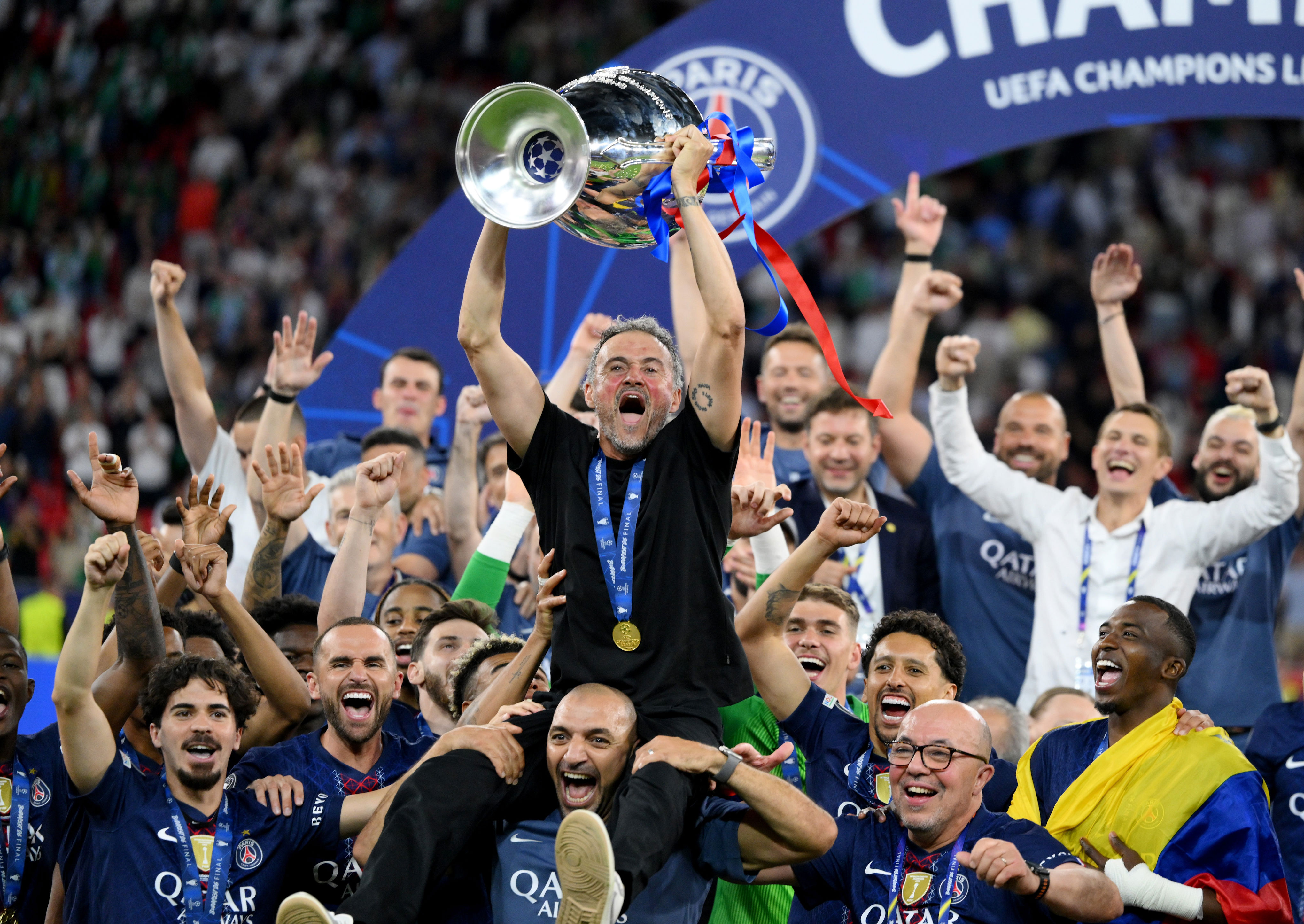
Havertz himself is a unique talent, occupying a space that defies simple classification – not purely a forward, nor strictly a midfielder, but undeniably a “Kai Havertz.” His inclusion, alongside the decision to favour more defensive options in other selection dilemmas, such as opting for Myles Lewis-Skelly over Martin Zubimendi in midfield, underscored Arteta’s preference for a more cautious approach.
This defensive solidity could have, in theory, been a route to glory. Defence was, after all, the foundation of Arsenal’s last European trophy, the 1994 Cup Winners’ Cup. The now-familiar chant of “1-0 to the Arsenal” had its origins in their victories over Paris Saint-Germain earlier in this very season. When they again found themselves with a 1-0 lead, it appeared they might grind out a victory, a stark contrast to the aesthetically pleasing football of Wenger’s great continental sides. However, Arsenal have often been criticised for reducing their game to a procession of set-pieces. And in the ultimate set-piece test, the penalty shootout, they faltered, missing two crucial opportunities. The familiar refrain of “set-piece again” echoed, this time with a devastating finality.




Leave a Reply