Political Strategist Slams “Outrageous” January 6 Comparison
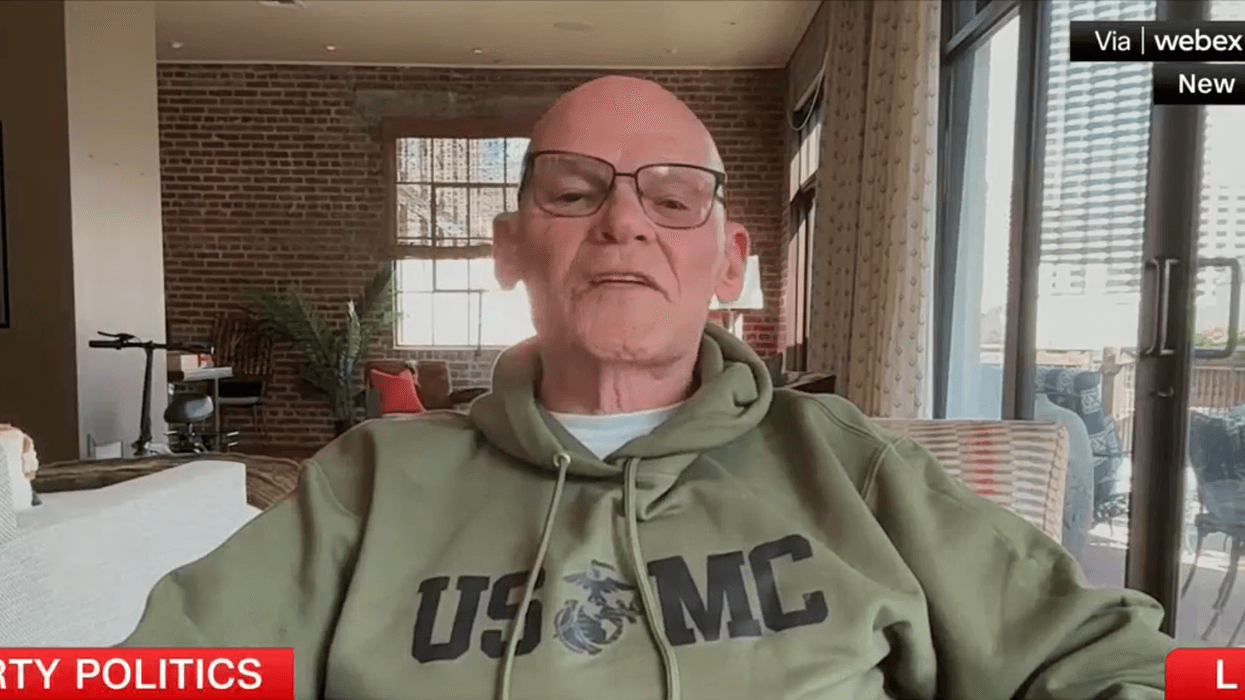
A prominent Democratic strategist has fiercely criticised a CNN anchor’s attempt to draw parallels between Democrats and the rioters who stormed the US Capitol on January 6th. James Carville, a veteran of Democratic campaigns, didn’t hold back, labelling the comparison as “way outside the strike zone” and “outrageous.”
The heated exchange occurred during an interview with CNN’s Michael Smerconish, where the conversation veered into discussions about the tactics Democrats should employ and public figures who have vocally opposed former President Donald Trump. Carville, known for his outspoken nature, defended rock legend Bruce Springsteen’s recent concert remarks criticising Trump, and also voiced support for voters backing the embattled Maine Senate candidate, Graham Plotner.
Carville, in a candid moment, even declared, “I have Trump Derangement Syndrome, and I’m trying to get worse,” suggesting he believes Springsteen shares a similar affliction. This self-diagnosis highlights the intense political animosity felt by some towards Trump.
However, Smerconish attempted to shift the focus, arguing that Democrats were exhibiting a “blind eye” to their own shortcomings. He presented Plotner, who has faced scrutiny for a Nazi tattoo he wore for nearly two decades, as a prime example of this perceived failing. Smerconish posited that an overwhelming focus on defeating Donald Trump could compromise the Democratic Party’s judgment and, by extension, its best interests.
“When the intensity and desire is only to beat Donald Trump, it’s not in the party’s best interest because they lose their judgment,” Smerconish argued. He then drew the controversial parallel, stating, “It’s the same mindset that explains people who breached the Capitol on January 6. They were similarly warped in their thinking.”
This comparison immediately drew a sharp rebuke from Carville. “I completely disagree,” he retorted forcefully. Carville drew a clear distinction between the actions of those who stormed the Capitol and those who vote for a candidate they may view as flawed. He emphasised the severity of the January 6th events, stating, “assaulting police officers” is in no way comparable to “voting for a flawed person” like Plotner.
“Breaking into the Capitol is a felony,” Carville reiterated, reinforcing the legal and moral chasm between the two scenarios. “If you’re calling balls and strikes, I’m gonna call this way outside the strike zone.”
Carville didn’t stop there; he doubled down on his belief that Democrats need to be more assertive and vocal in their opposition, drawing inspiration from figures like Springsteen. He powerfully stated, “I might have Trump Derangement Syndrome, but I am not a criminal.” This statement underscores his conviction that while he may be intensely opposed to Trump, he remains within the bounds of law and reason, unlike those who engaged in violent acts.
He further elaborated on his concerns regarding the current political landscape, suggesting, “We are being led by a person who, if not a traitor himself, is doing exactly everything that a traitor would do if they got that job.” This highly charged statement reflects a deep distrust and alarm felt by some within the political sphere regarding the actions and motivations of certain leaders.
The exchange highlights the deeply entrenched divisions in American politics and the often-heated rhetoric employed by prominent figures on all sides. Carville’s strong defence of his party’s stance, while rejecting what he deemed an unacceptable comparison, showcases the passionate and often confrontational nature of contemporary political discourse. The debate also raises questions about how political parties should navigate internal scrutiny while simultaneously facing external political threats.