Queensland’s Single-Use Plastic Progress Stalls, Advocates Warn
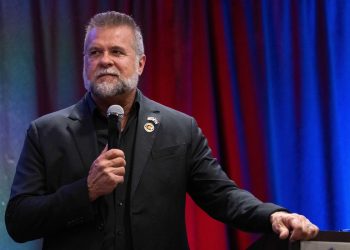
A prominent environmental campaigner has voiced concerns that Queensland is falling behind in its commitment to tackling single-use plastics, suggesting the issue has become an overlooked priority for the state government. Toby Hutcheon, a key figure in the establishment of the successful Containers for Change program and representing the Boomerang Alliance – an organisation uniting 55 environmental groups across Australia – argues that the momentum built in previous years has waned.
While Queensland introduced bans on lightweight shopping bags in 2018, followed by restrictions on plastic straws, plates, cutlery, and cotton buds with plastic stems, no new measures have been implemented since September 2023. This pause follows the government’s decision in May 2023 to halt a planned roadmap for further single-use plastic bans, originally slated for September 2024. The intention was to await a national alignment on the issue.
However, by the time a national meeting convened, the political landscape had shifted, with the Labor government losing the 2024 state election. This has left the planned phase-out of the next wave of problematic single-use plastics in limbo.
The Stalled Roadmap and Emerging Challenges
The single-use plastics roadmap, released in 2022, had identified several items for future bans. Among these were plastic cups, a particular point of contention. Stadiums Queensland itself conducted a successful trial of reusable cups at select venues in 2023 and expressed a strong desire to roll out the initiative more broadly. The primary obstacle encountered was a significant lack of suitable facilities in Queensland capable of efficiently cleaning the large volumes of cups required.
This logistical hurdle could prove problematic as Queensland gears up for major international events, such as the upcoming Olympics. Sustainability policies are a critical component of such global gatherings. Notably, the Paris Olympics embraced reusable cups, and the organisers of the 2028 Los Angeles Games have made a firm commitment to ensuring all cups and food trays are either reusable, recyclable, or compostable, utilising local infrastructure.

When approached for comment on the issue of reusable cups and potential further single-use plastic bans, Environment Minister Andrew Powell, who also holds the Olympics portfolio, declined to provide direct answers. He did, however, indicate that the government is actively developing a new waste and recycling strategy, which is expected to be released later this year.
A Growing Divide with Other States
Hutcheon highlighted that other states are forging ahead with their plastic reduction efforts. Western Australia, for instance, has already implemented reusable cup systems in its major stadiums. He expressed concern that Queensland appears to be stagnating in its approach.
The Boomerang Alliance advocates for several crucial next steps, including bans on supermarket plastics such as produce bags, fruit stickers, and polystyrene trays. However, Hutcheon stressed the particular urgency of addressing plastics that are more likely to become litter and degrade into harmful microplastics.
Coffee Cups and the Need for Scalable Solutions
“A key one is coffee cups and plastic cups, particularly those that are used away from home,” Hutcheon stated. The Boomerang Alliance is currently piloting a reusable coffee cup scheme in Port Douglas. This initiative allows patrons at cafes along the main street to deposit used reusable cups in designated return bins located on the street.
While the state government provided funding for this pilot program, Hutcheon believes that a more ambitious, large-scale implementation is necessary, coupled with a ban on plastic-lined coffee cups.

In March, Minister Powell announced the forthcoming waste and recycling strategy, promising a comprehensive plan. “We’re getting on with the job of ensuring Queensland is in the best position to attract the investment needed to future-proof Queensland’s waste system, reduce what goes to landfill and boost recycling,” he stated at the time. However, critics argue that concrete actions and further bans are needed to demonstrate a genuine commitment to reducing single-use plastic pollution.