Net Zero Ambitions Threaten UK Steel Industry, Construction Giant Warns
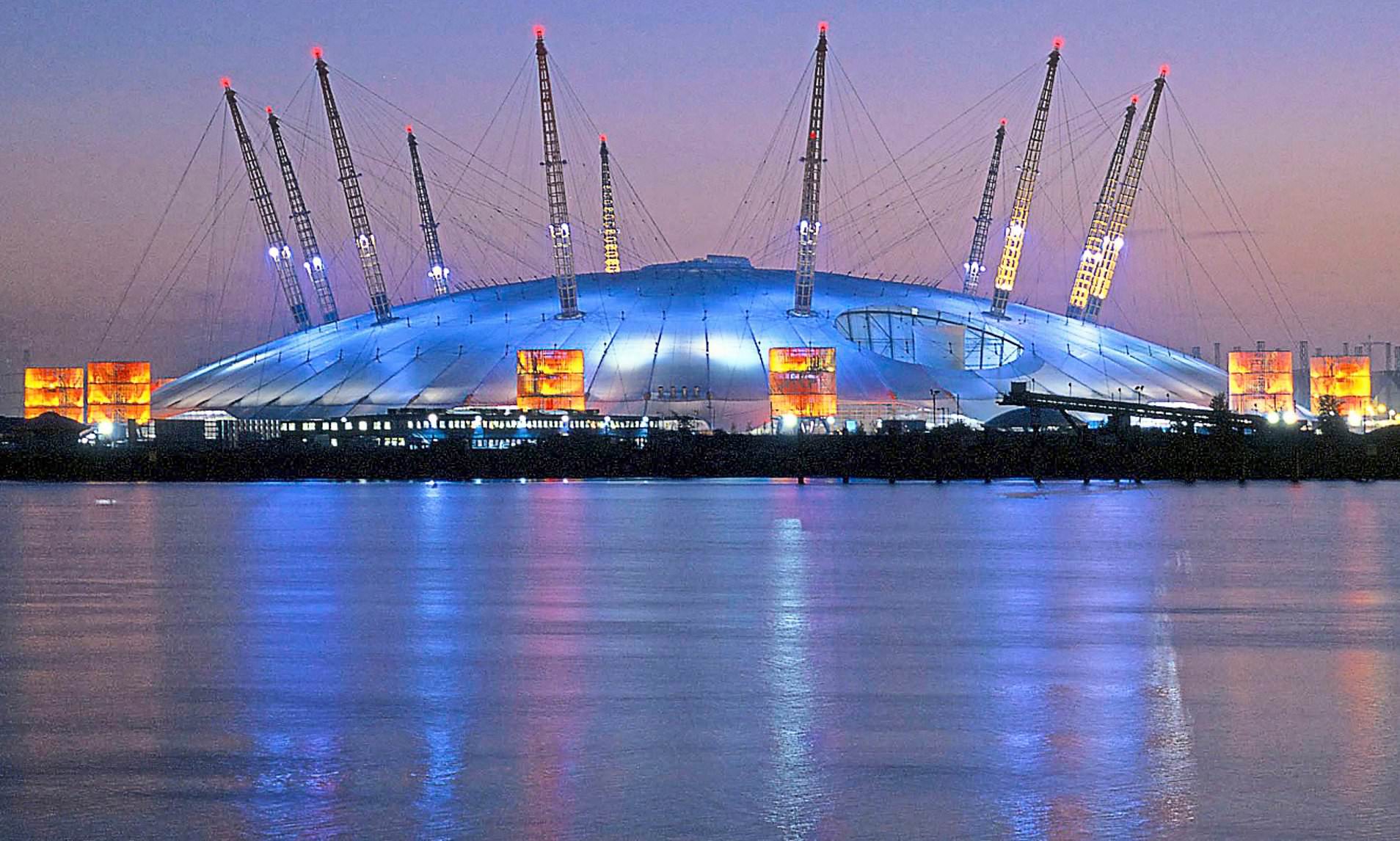
A prominent British construction firm, renowned for its involvement in landmark projects like the Millennium Dome and London’s Olympic Stadium, has sounded a stark warning: current net zero regulations could jeopardise the future of the UK’s vital steel industry.
Simon Richards, the sustainability director at Hertfordshire-based Sir Robert McAlpine, expressed support for the broader goal of reducing carbon emissions within the steel sector. However, he cautioned that ill-conceived green policies might lead to “unintended consequences” that could ultimately weaken the United Kingdom.
The Perils of Offshoring Emissions and Jobs
“Offshoring UK production is not decarbonising,” Richards stated, highlighting a critical flaw in the current approach. “It simply moves activity overseas, exporting emissions and jobs, and leaves the UK more exposed to volatile markets and rising tariff barriers when domestic production capability has become a question of national security.” This sentiment underscores the concern that simply shifting manufacturing to other countries doesn’t eliminate emissions; it merely relocates them, along with valuable employment opportunities.
While acknowledging the imperative to address emissions, Richards stressed the need for a balanced perspective. He argued that any environmental targets for the steel sector must be carefully weighed against the “social value” and “resilience” that a strong domestic industry provides. “Decisions in construction specifications ripple through supply chains and into the livelihoods of steelworkers in Scunthorpe, Sheffield, Port Talbot and the Welsh Valleys,” he emphasised, illustrating how policy choices at the top have tangible impacts on communities across the nation.
Government Intervention Amidst Crippling Energy Costs
The urgency of the situation has been underscored by recent government actions. This month, the Prime Minister announced plans to nationalise British Steel’s Scunthorpe plant. This move followed the government’s temporary takeover of the plant’s management from its Chinese owners, Jingye, a decisive step taken specifically to prevent the shutdown of its blast furnaces.
However, this intervention, while averting immediate closure, has not resolved the underlying issues plaguing the sector. The Prime Minister is reportedly facing mounting pressure to implement more substantial measures to combat the crippling energy costs that are severely hindering the industry’s ability to compete. The disparity in energy prices leaves UK-produced steel at a significant disadvantage compared to cheaper alternatives manufactured abroad. This economic pressure, coupled with the complexities of net zero regulations, creates a precarious environment for an industry deemed crucial for national security and economic stability.
The Broader Economic and Social Impact
The ramifications of a weakened steel industry extend far beyond the factory gates. Steel is a foundational material for numerous sectors, including construction, manufacturing, and defence. A decline in domestic production could lead to increased reliance on imports, potentially exposing the UK to supply chain disruptions and price volatility on the international stage. This dependence could have significant implications for national security, particularly in times of geopolitical instability.
Furthermore, the social fabric of communities built around steel production is at risk. Towns and regions that have historically relied on the industry for employment and economic prosperity could face significant hardship if steelworks are forced to close permanently. The loss of skilled jobs and the associated economic downturn could have long-lasting negative effects on these areas, impacting families and local economies for generations.
The debate surrounding net zero targets and industrial policy is complex, requiring careful consideration of all potential consequences. While the commitment to a greener future is commendable, industry leaders and policymakers must ensure that the transition is managed in a way that safeguards essential domestic industries and the livelihoods they support. The future of the UK’s steel sector hinges on finding a sustainable balance between environmental responsibility and economic viability.