Silent Crisis Grips Australia’s Heartland: Farmers Battle Prolonged Dry Spell
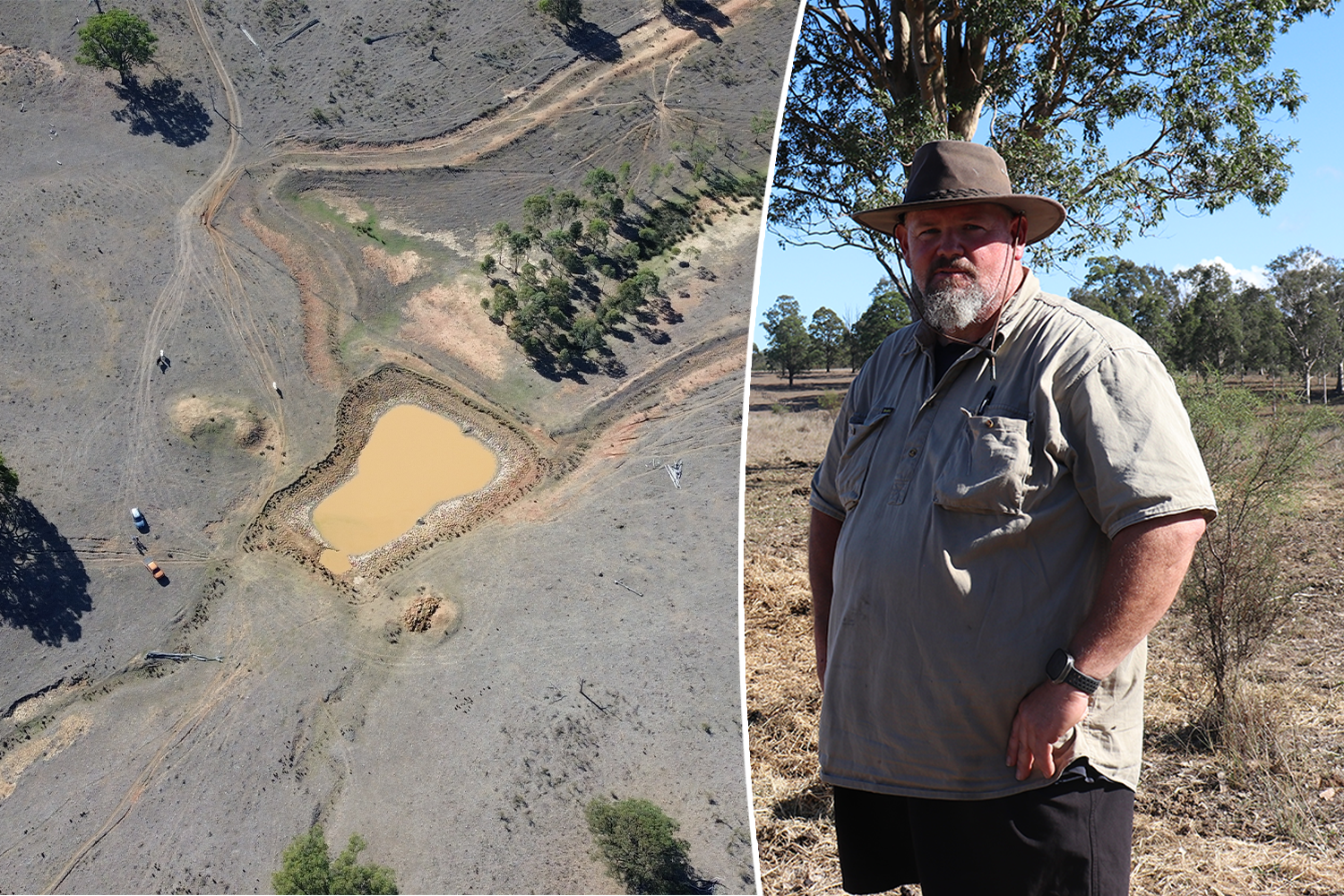
A quiet yet devastating crisis is unfolding across swathes of Australia’s agricultural heartland, with relentless dry conditions pushing farmers to the precipice and sparking serious concerns about the enduring impact on rural communities. In the Singleton region, west of Newcastle in New South Wales, fifth-generation dairy farmer Jason Cousins is grappling with the harsh reality of months of arid weather, which has left his paddocks utterly stripped of usable feed.
The lack of sustenance has forced a drastic measure: Cousins is now hand-delivering food to his livestock. “It has been extremely dry,” he told reporters, describing the ground conditions as crumbling to dust underfoot. This stark assessment paints a grim picture of the widespread drought affecting the region.
The Deceptive “Green Drought”
Cousins highlights a phenomenon he calls a “green drought.” This occurs when brief, insufficient showers create a misleading visual of recovery, a fleeting tint of green that fails to deliver the sustained moisture crucial for reviving pastures. While much of Australia’s east coast recently experienced significant rainfall, for Cousins, this drenching has barely made a dent.
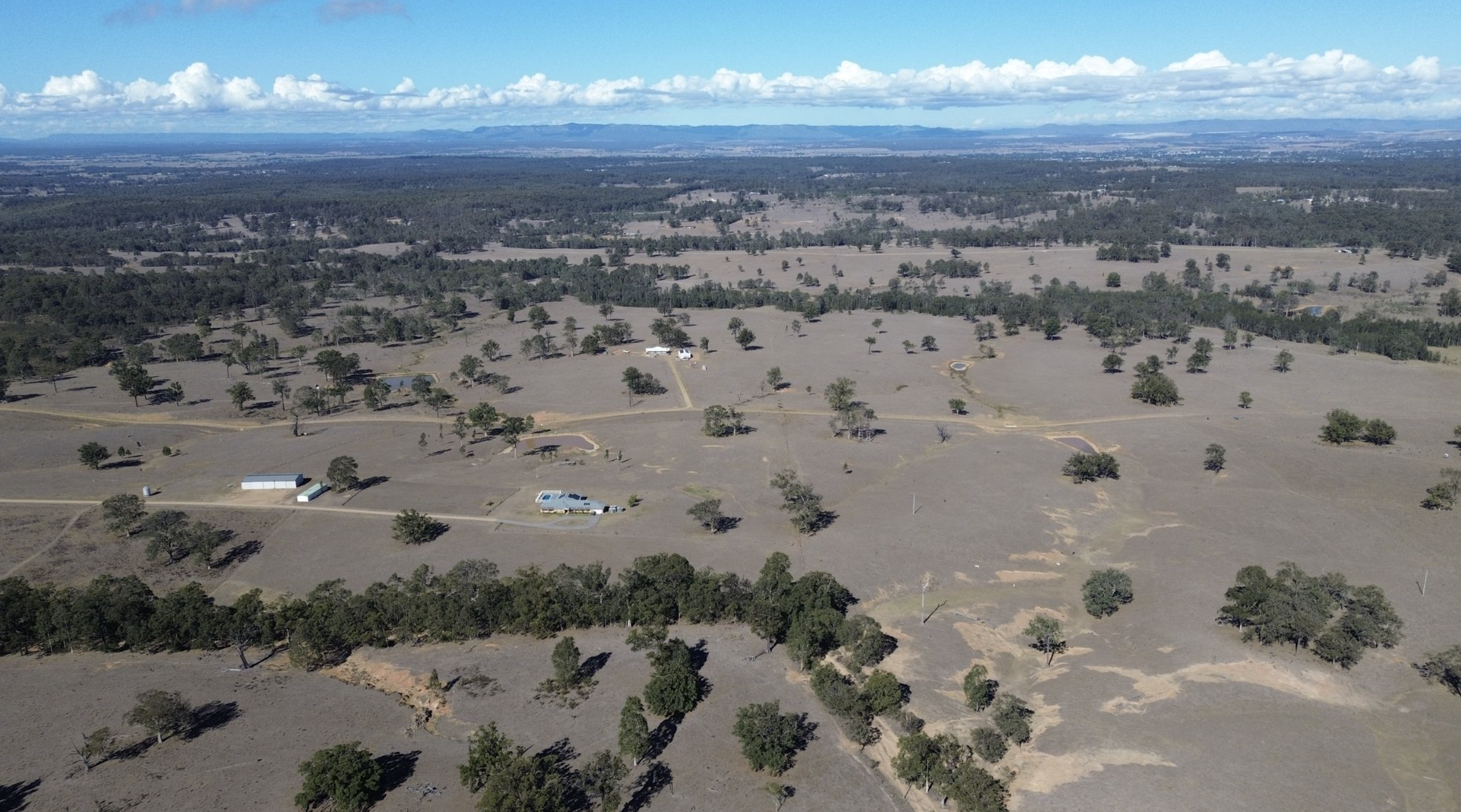
“No runoff in the dams and we’ve had rain forecast for the last two days,” he stated on a recent Thursday, noting that the promised rain had yet to materialise. The dry spell, he estimates, began around December – a gruelling 180 days ago – with little meaningful respite since. Rainfall, when it does arrive, is often too light or infrequent to replenish dams or support the robust growth of pastures.
“It might look like there is a tinge of green, but unless you get the follow-up behind it, you’re still in drought,” he explained. “Feed’s scarce, hay is scarce, everyone’s got none, and yeah, it’s a battle.” The problem extends beyond just feed; water scarcity is equally critical. “A couple of mil ain’t enough to get there and keep stuff going. It’s not just a feed problem — it’s a water problem in your dams as well.”
Livestock Under Strain and Financial Ruin
As water sources dwindle and some paddocks become entirely unusable, cattle are being herded back onto already strained home properties. This creates a compounding problem of overstocking.
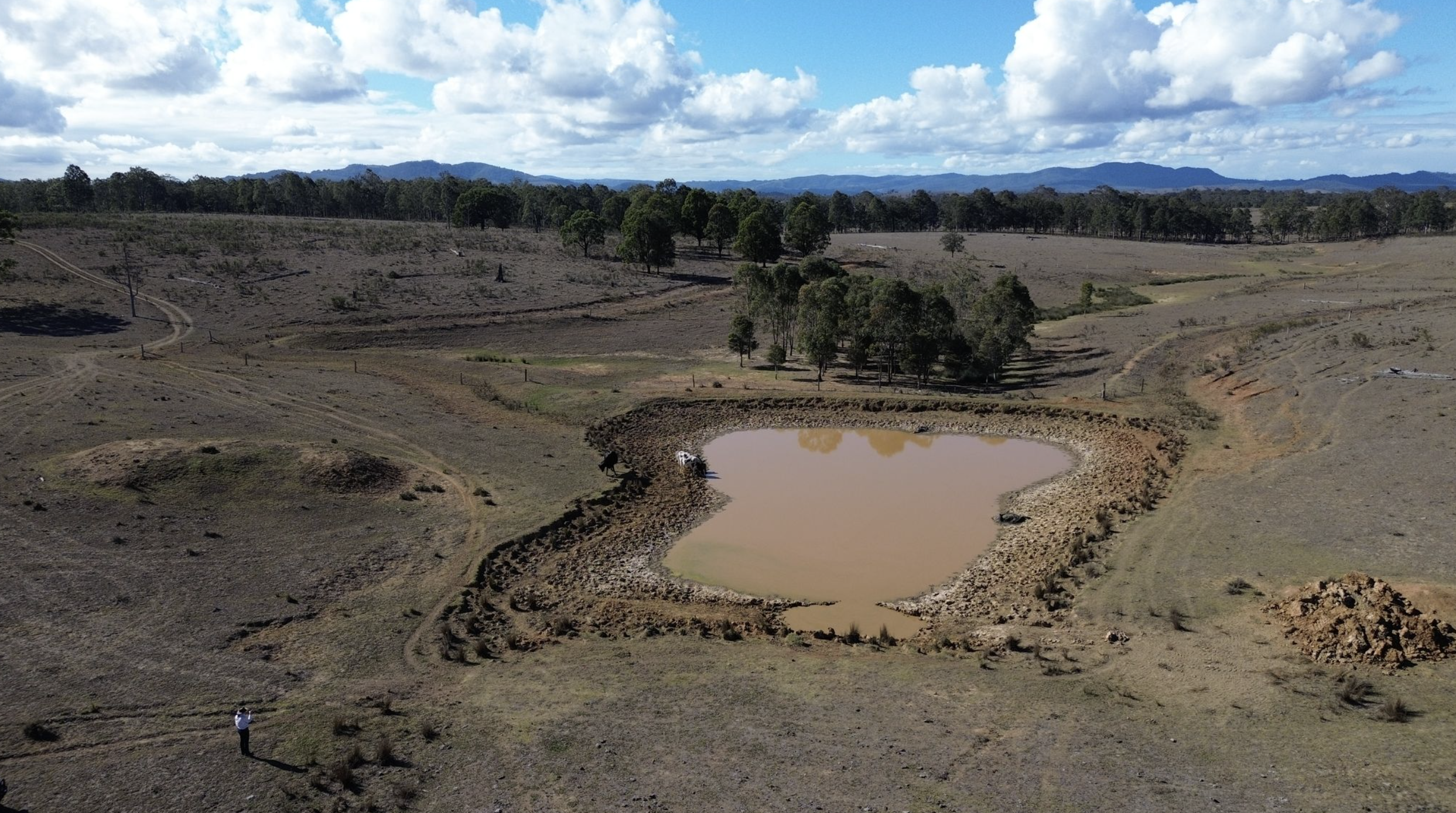
“You’ve got some dams that are dry, and then you’ve got other dams that are barren, low and boggy around the outside, where cattle are just getting stuck trying to get the water, and you can’t keep them in there,” Cousins elaborated. “You’ve basically got to abandon the paddocks … overstocking your own farm and hand feeding. It’s tough.”
The financial repercussions are profound and are expected to linger for years. The reduced availability of pasture feed compels farmers to rely more heavily on expensive purchased or stored feed, while simultaneously, milk production suffers a significant decline. Jason’s plight is not an isolated incident; for numerous families across vast agricultural areas of eastern Australia, these persistent dry conditions have necessitated agonising decisions regarding their livestock, their production strategies, and the very long-term viability of their family farms. Key agricultural regions in NSW, including the Hunter, Central West, and Riverina, continue to experience severe drought, placing immense and ongoing strain on farm operations.
“Your income is coming down because you can’t produce the high volumes. It affects everything in a big circle,” Jason said, emphasising the interconnectedness of the challenges. “The cows haven’t had that extra grass.”
Lifelines in a Time of Crisis
Amidst this escalating crisis, non-profit charity Rural Aid is experiencing “very strong and sustained demand” for its assistance across multiple drought-affected regions. Their support encompasses a range of vital services, including the donation of feed, water deliveries, and the provision of volunteer labour. Crucially, they also offer essential financial aid and counselling services to those struggling to cope.
Jason Cousins describes the support from Rural Aid as nothing short of “life-saving,” a critical lifeline that enables farms to continue operating through these extreme conditions. “You’d have to call them lifesavers,” he stated emphatically. He reflected on the 2022 floods, admitting he might not still be farming if not for their intervention.
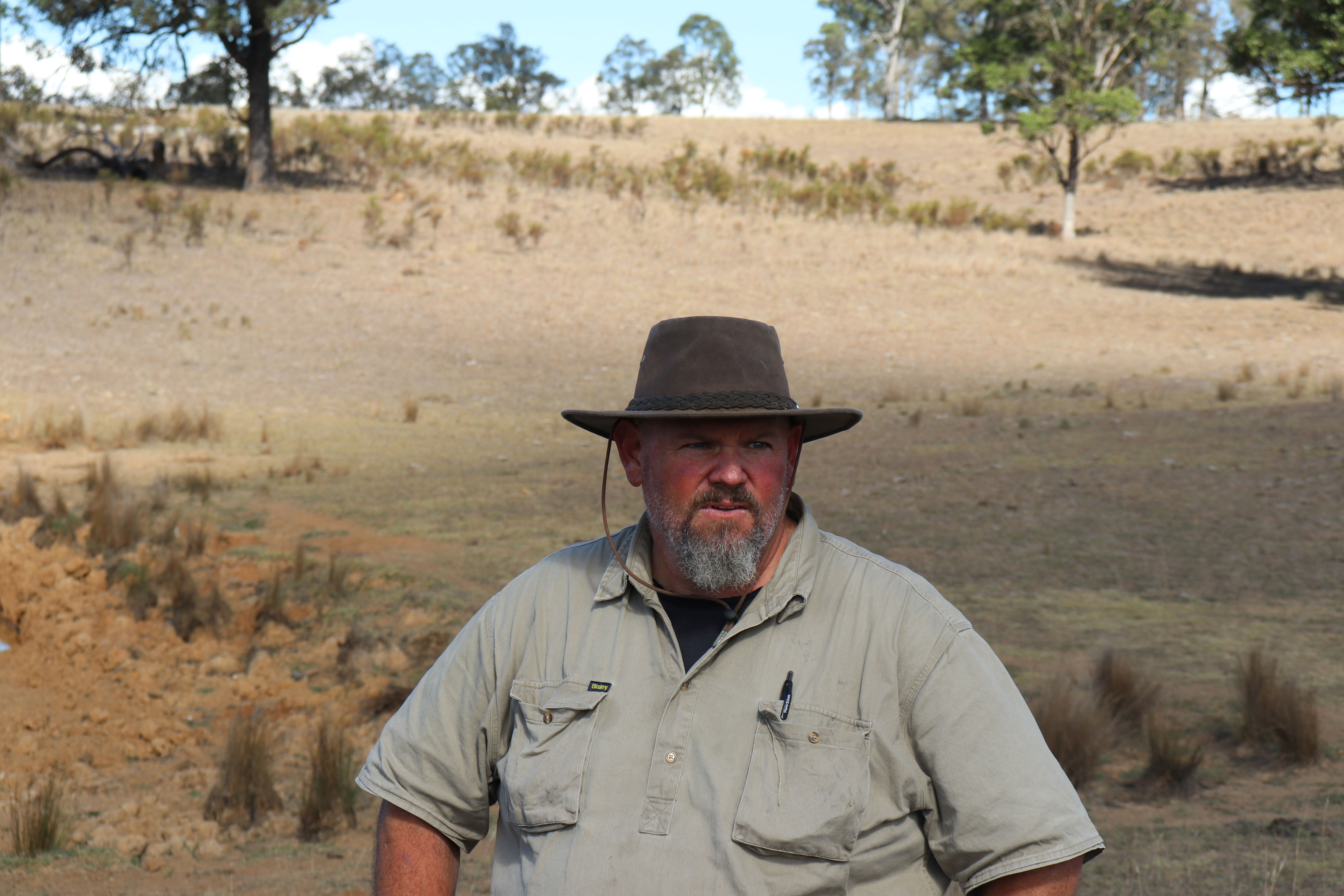
Cousins also touched upon the often-unspoken mental toll of farming, particularly for men who may find it challenging to express vulnerability. He candidly admitted, “I didn’t realise at the time, but the mental toll of it was extremely great on me.” His experience has led him to advocate for mental well-being: “Now all I can say is, if you do feel stressed, it’s okay to talk, it’s okay to open up. That’s what I’ve learned from Rural Aid, and I do believe it’s helped me out more today than ever. I’d hate to think where I’d be today if it wasn’t for that one phone call.”
What Does the Future Hold?
Even with the arrival of significant rainfall, Jason Cousins cautions that recovery will not be instantaneous. The long-term impacts will undoubtedly extend across several years as farmers work to rebuild herds, re-establish feed systems, and regain financial stability.
“It would take years. It’s not an easy overnight fix,” he stressed. The current situation remains precarious, characterised by the unsettling cyclical nature of drought and flood events, yet critically lacking the stable environmental conditions necessary for genuine recovery.
“The sad thing is the buck stops with us,” Cousins stated, pointing to the broader economic pressures. “We’re the last ones on the line that wear everyone else’s inflation, but we can’t pass it on.”
While the recent wet weather across NSW’s east coast offers a glimmer of hope, there remains significant concern that it may not be sufficient to reverse the deep-seated moisture deficits or fully alleviate the ongoing drought conditions plaguing the affected regions. For now, the primary focus for farmers like Jason Cousins remains on sheer survival, with a fervent hope that the coming seasons will bring more than just fleeting relief. The resilience of Australia’s agricultural sector is being tested like never before, and the long road to recovery is only just beginning.