Car Brands and Safety Ratings: A Complex Balance
Euro NCAP, a leading organization in vehicle safety assessments, has highlighted a growing trend among certain car manufacturers. According to their findings, some brands are intentionally avoiding the maximum five-star safety rating to keep costs low. This decision, however, does not mean that these vehicles are unsafe. Instead, they meet the minimum safety standards set by homologation rules.
Understanding the Safety Choices
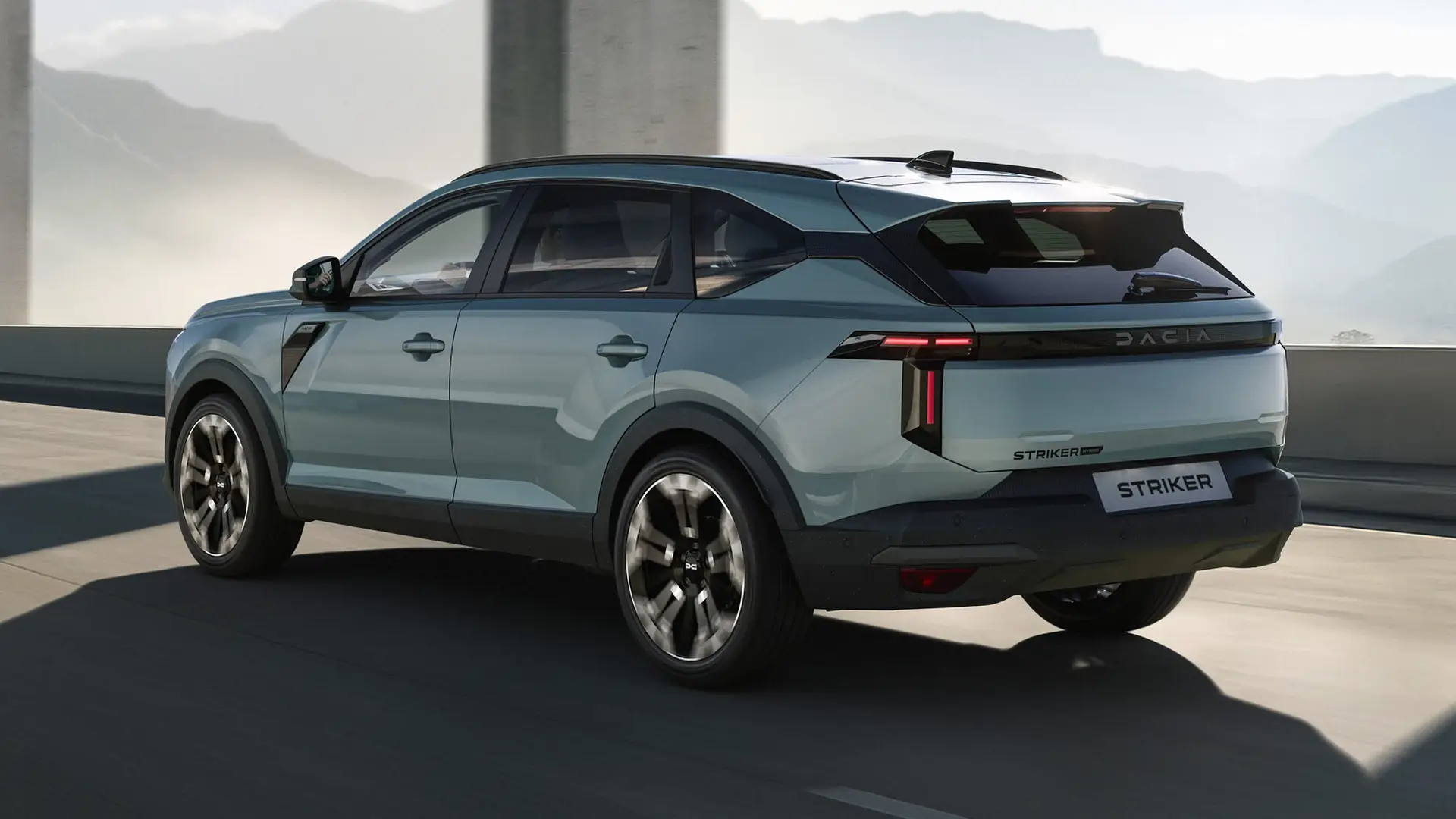
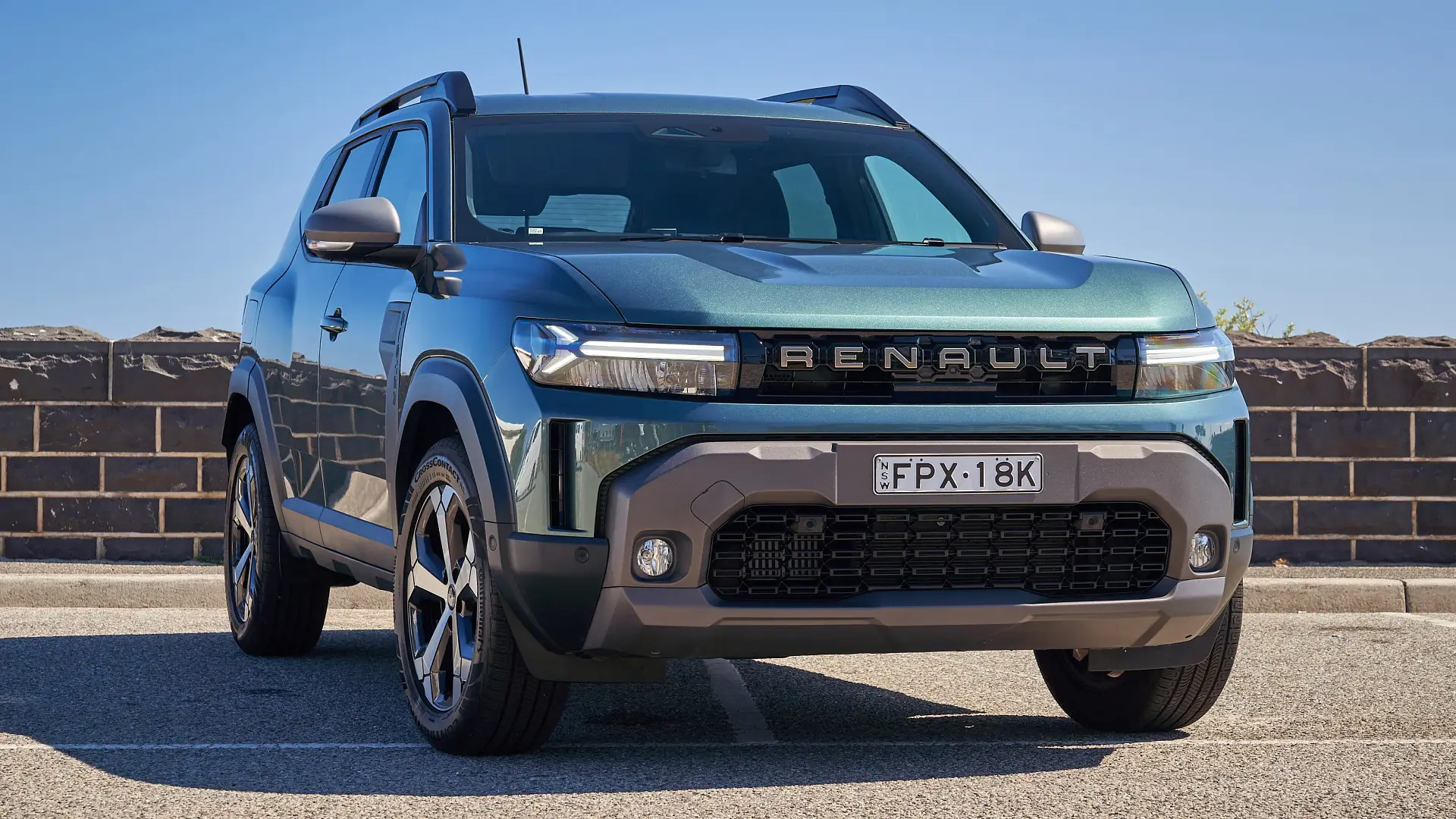
Richard Schram, the technical director of Euro NCAP, explained that while the European market sees brands like Dacia choosing not to pursue a five-star rating, this is not necessarily the case everywhere. In Australia, for example, the Dacia brand is not directly available, but its model, the Duster, is sold under the Renault badge. The Duster received a three-star rating from Euro NCAP, despite being priced starting at $31,990 before on-road costs.
Schram noted that Dacia’s approach is clear: it focuses on affordability over top-tier safety features. “They made some clear choices – ‘I’m not going to put this system in because it’s really expensive’,” he said. However, even with a lower rating, the Duster still offers significantly better safety than the minimum required by law.
Dual Rating Systems and Consumer Awareness
To address concerns about safety choices, Euro NCAP has introduced a dual-rating system. This allows consumers to identify which variants of a vehicle offer higher safety levels. Schram emphasized that some brands choose not to include all safety features as standard, but instead offer them as optional upgrades.
“Sometimes they offer it as optional systems,” Schram said. “And then we can have this double rating that says ‘well, if you’re a conscious consumer, you want to get a Dacia with… a five-star package, which is not standard.’” Examples of this approach include Honda, Kia, and Volkswagen, which are considering similar strategies for their more affordable models.
Top-Spec Models Achieving Five Stars
Despite the trend of some brands opting for lower ratings, there are also vehicles that manage to achieve a five-star rating while remaining affordable. These models demonstrate that it is possible to balance cost and safety effectively.
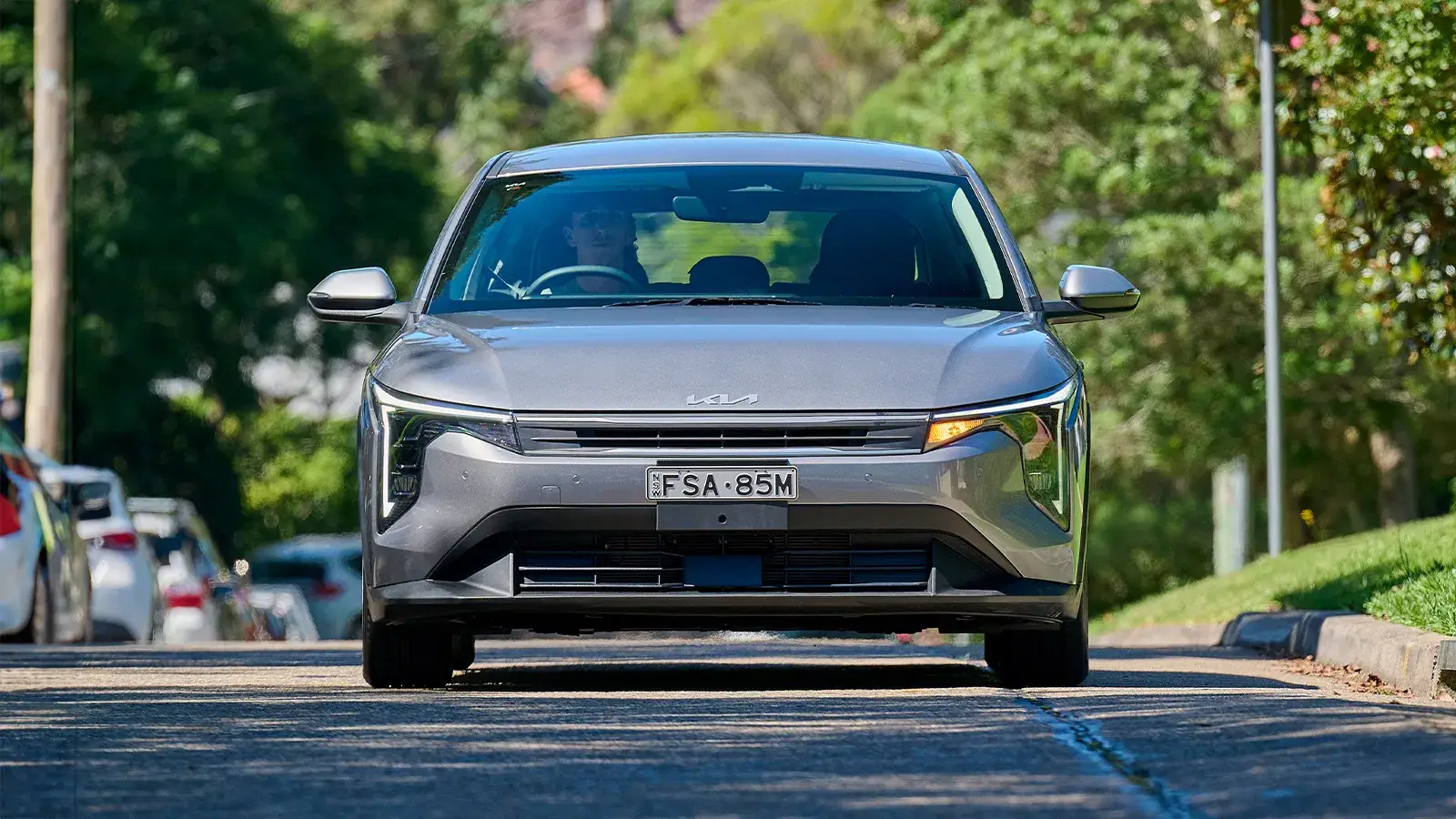
For instance, the Honda HR-V and CR-V only score five stars in their top-spec grades, while the Kia K4 is a four-star car in its base form. This highlights how safety features can be reserved for higher-end models, making it important for buyers to research and understand the differences between trim levels.
The Broader Implications
The debate around safety ratings and pricing raises important questions about consumer awareness and the role of regulatory bodies. While Euro NCAP aims to inform buyers, the responsibility also lies with manufacturers to ensure that safety is not compromised for the sake of cost-cutting.
As the automotive industry evolves, the pressure to maintain high safety standards while keeping prices competitive will continue to shape the choices made by both manufacturers and consumers. The introduction of dual-rating systems and increased transparency are positive steps in this direction.
Conclusion
The relationship between car brands and safety ratings is complex. While some manufacturers prioritize affordability over top-tier safety, others find ways to balance both. As consumers become more informed, the demand for safer vehicles is likely to grow, pushing manufacturers to rethink their strategies. Ultimately, the goal should be to ensure that every vehicle on the road meets a high standard of safety, regardless of its price point.