The Controversy Over British Steel’s Nationalisation
The debate over the potential nationalisation of British Steel has sparked intense discussion, with some experts warning that compensating its Chinese owners could be a costly mistake. The situation has been further complicated by the recent announcement of new laws in the King’s Speech, which would allow the government to take full ownership of the steelworks. This move has raised questions about how much compensation, if any, should be paid to Jingye, the company that currently owns the site.
British Steel’s most recent financial records for 2023 valued its buildings, plant, and equipment at £149 million. However, this figure must be considered alongside the massive losses the company has incurred. According to Mike Warburton, a former tax director at auditors Grant Thornton, the firm has lost £231 million in a single year, making it effectively worthless. “It would be madness to pay anything,” he said. “On an ordinary accountancy valuation, it’s worth nothing and that’s before all the costs of sorting it out.”
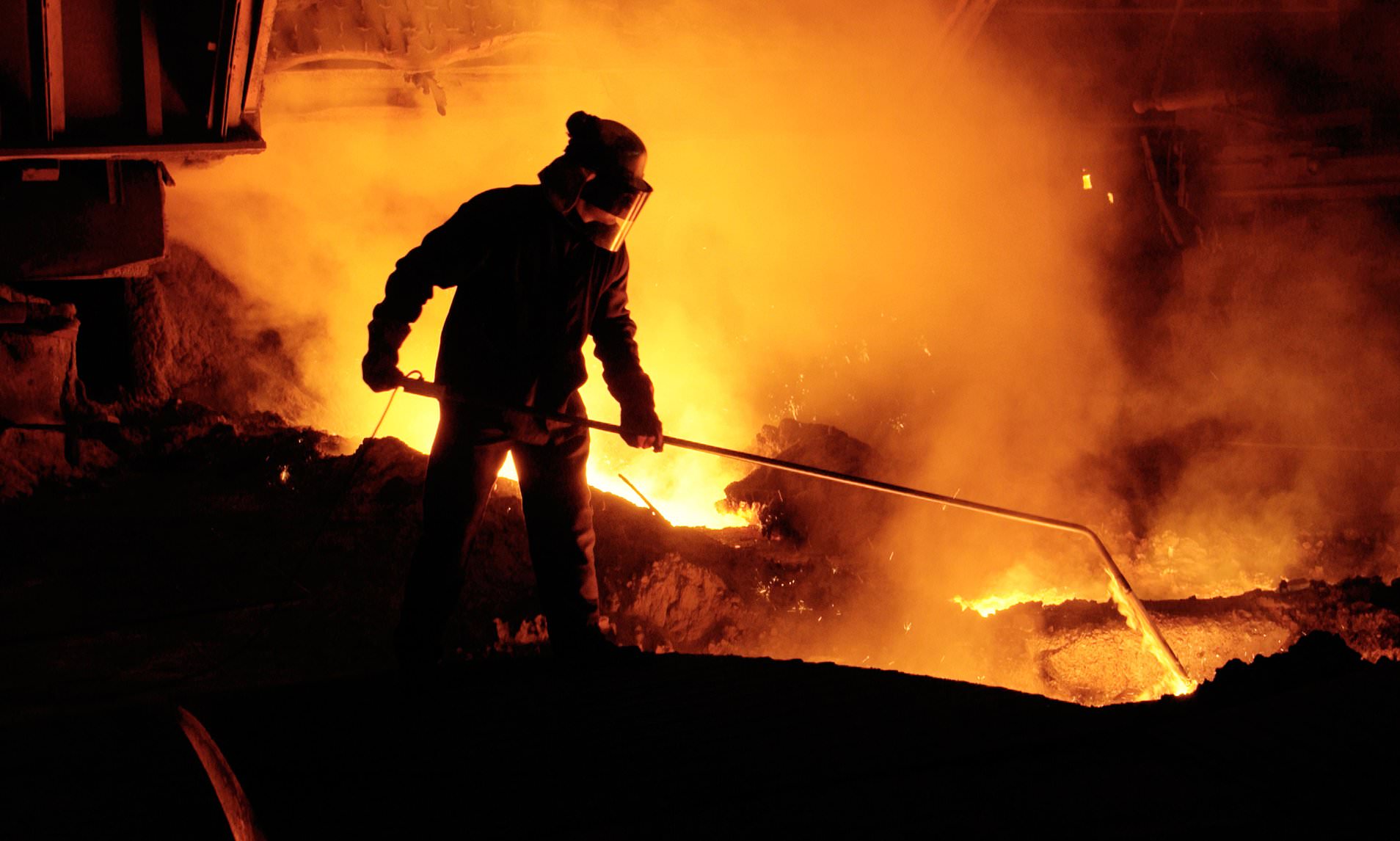
In April 2023, British Steel was losing £700,000 per day when the government intervened using emergency legislation to take control of the steelworks. This was done to prevent Jingye from shutting down the UK’s last blast furnaces at Scunthorpe, Lincolnshire. Although the government now manages the operations, the Chinese firm still officially owns the site.
Warburton suggested that the only reason for paying compensation would be if there were specific contractual terms from when Jingye took over in 2020. A senior industry source echoed this sentiment, stating that years of losses have rendered the steelworks worthless. “The Government is on the hook for a big sum so any payment to Jingye seems unreasonable.”
Tory shadow business secretary Andrew Griffith added that the Chinese firm should instead cover some of the decommissioning costs for the ageing blast furnaces. “We shouldn’t pay them anything,” he said. “The Government is coming back to fix its own botched nationalisation, but must not allow the Chinese to dump their decommissioning liabilities on the British taxpayer.”
The financial burden on taxpayers has already reached £377 million in the nine months to January 2024, according to the National Audit Office. This figure is expected to rise to £615 million by June and could exceed £1.5 billion by 2028. Despite these costs, keeping the steelworks operational is seen as vital for national security. The furnaces are the only place in the UK capable of producing virgin steel, which is made from iron ore rather than imported scrap metal.
The proposed nationalisation has also drawn criticism from China’s commerce ministry, which urged ministers to “make decisions prudently.” Other concerns include the potential impact on foreign investment in the UK. Robert Salter of advisor Blick Rothenberg noted that if the company is bankrupt, the compensation would likely be low.
The Department for Business has stated that an independent valuer will be appointed to determine what compensation is payable. It added that the government would abide by the conclusions of this assessment. As the situation unfolds, the debate over whether to compensate Jingye continues to raise important questions about the future of British Steel and the broader implications for the UK’s industrial policy.