A Bizarre Live News Report on Russian Television
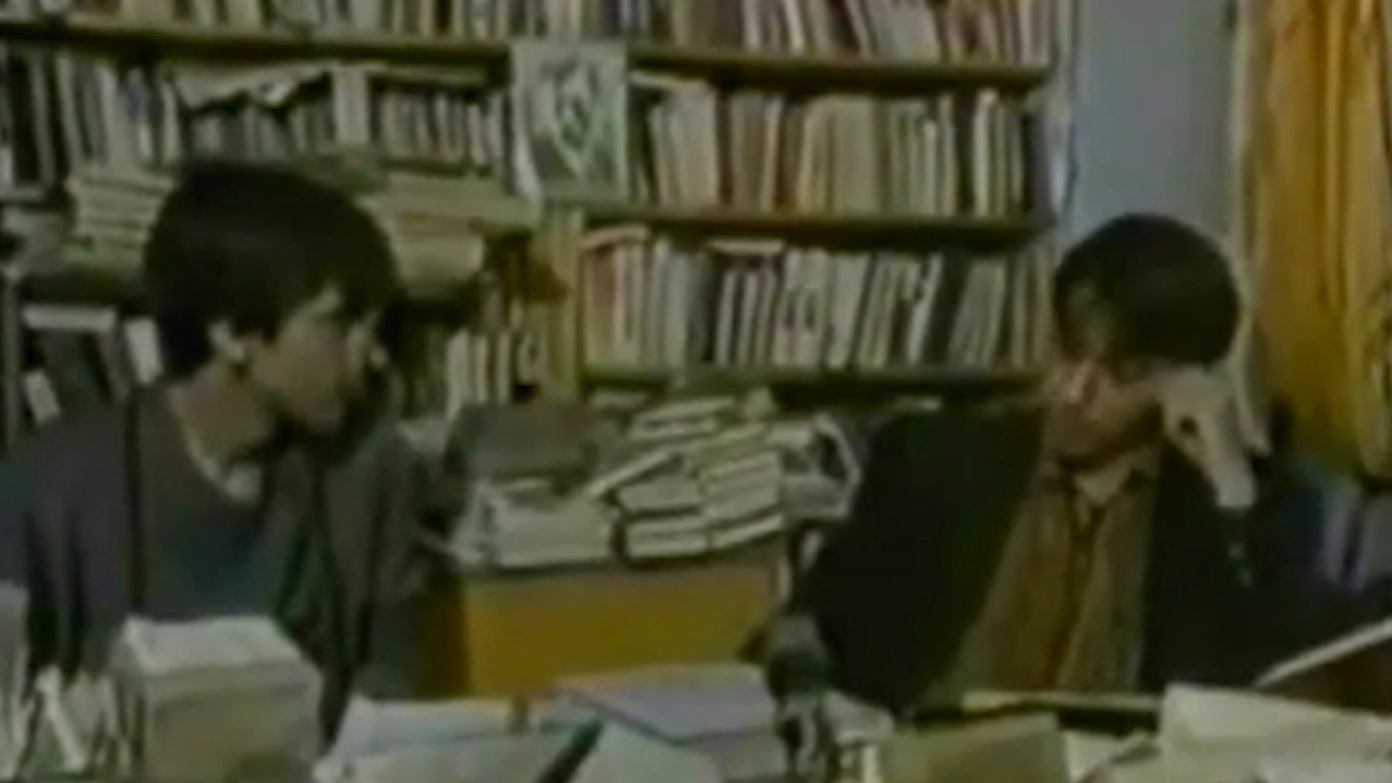
On May 17, 1991, Russian television viewers were left in a state of shock, confusion, or alarm after a live news report made an unusual and bizarre accusation about an iconic former leader. The report was part of a current affairs program called Pyatoe Koleso, where a historian made an elaborate explanation about a previously unreported claim regarding Vladimir Lenin.
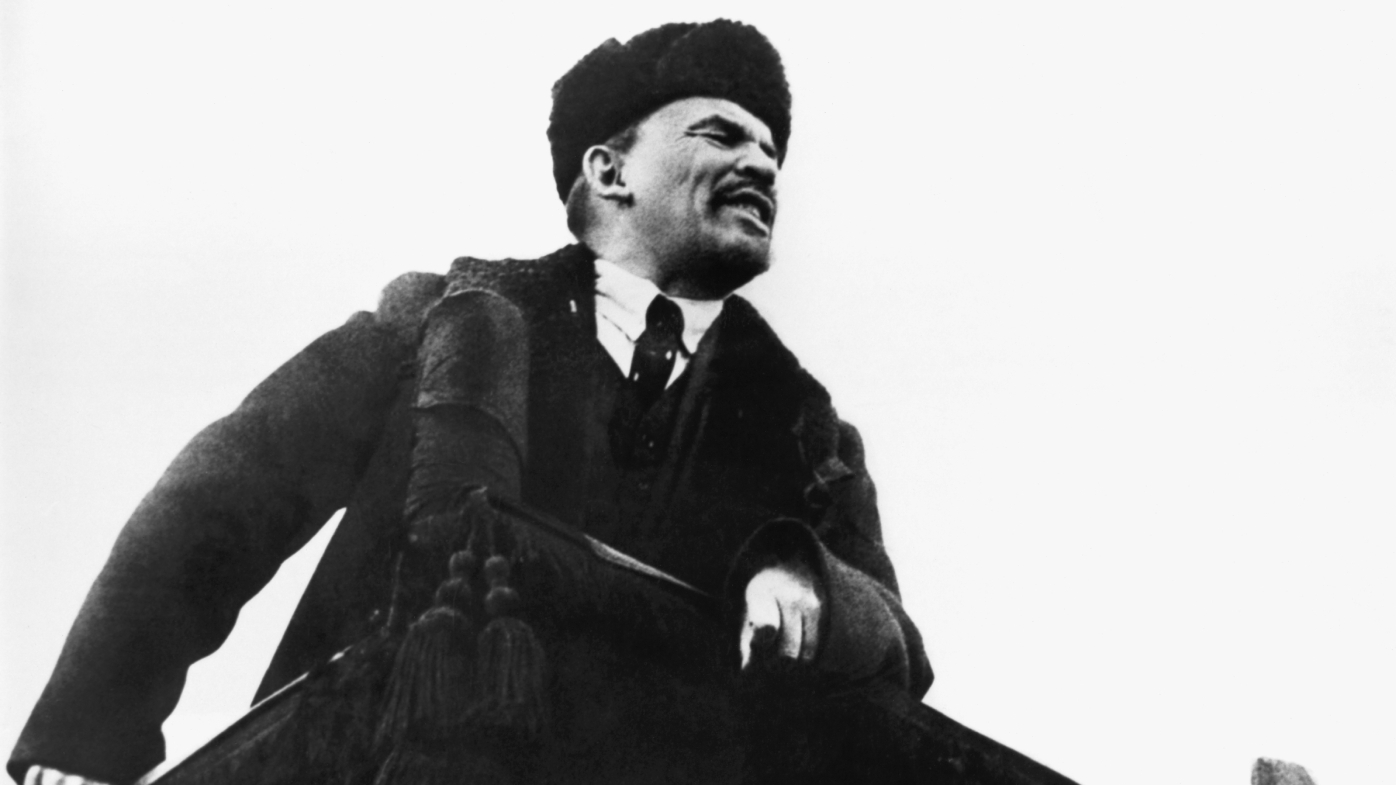
The claim suggested that Lenin and others in the early communist movement consumed so many psychedelic mushrooms that they themselves turned into mushrooms. This outlandish statement was delivered with a straight face, leaving many viewers unsure whether it was a serious report or a joke.
The Mysterious Claim About Lenin
The historian’s claim went further, stating that “the mushrooms, as they were consumed by these people, displaced their personalities, and people became mushrooms.” He continued, “So, I am simply trying to say that Lenin was a mushroom. And not just a mushroom; he was also a radio wave.”
This broadcast was clearly a hoax, intended to mock conspiracy theorists and highlight the absurdity of certain claims. However, given the long history of Soviet television, where satire was strictly forbidden and news programs were taken with utmost seriousness, many viewers failed to recognize the joke.
Unflattering reports about politicians like Lenin were strictly prohibited until the fall of the Soviet Union. As a result, many shocking truths only began to surface as censorship laws were relaxed.
The Aftermath of the Hoax
Reporter Sergey Sholokhov recounted how a group of old Communists demanded an explanation after the broadcast. “The day after the broadcast, a delegation of Old Bolsheviks came to Galina Barinova, who was in charge of ideology at the regional party committee, and demanded an answer to the question: is it true that Lenin is a mushroom?” Sholokhov said.
Galina Barinova responded, “No!” but the delegation persisted, saying, “But how could that be? They said so on TV yesterday.”
The hoax was a collaboration between Sholokhov and Sergey Kuryokhin, an experimental musician and artist. During the live and largely improvised broadcast, Kuryokhin played the role of the historian, while Sholokhov acted as the interviewer.
Sholokhov later described the episode’s ratings as “truly astonishing,” indicating that the broadcast had captured the attention of a significant number of viewers.
Public Reaction and Legacy
Today, many Russians will recall watching the episode, but few will admit to being fooled. The incident has become a notable part of Russian media history, illustrating the challenges of satire in a country with a strong tradition of严肃 (serious) journalism.
The story highlights the cultural shift that occurred during the late Soviet period, as restrictions on free speech began to loosen. It also serves as a reminder of how difficult it can be for audiences to distinguish between fact and fiction, especially when presented in a formal news format.
The Role of Satire in Media
This event underscores the importance of satire in challenging authority and questioning established narratives. While the broadcast was clearly a joke, it sparked real reactions from viewers who had been conditioned to take everything on television as truth.
It also raises questions about the responsibility of journalists and broadcasters to ensure that their content is clear and does not mislead the public, even when the intent is humorous.
In the years since the broadcast, the legacy of this episode has continued to be discussed, serving as a cautionary tale about the power of media and the need for critical thinking.
Conclusion
The 1991 broadcast remains a fascinating example of how media can influence public perception, even when the content is clearly fictional. It also reflects the changing landscape of Russian media and the gradual emergence of more diverse and critical perspectives.
As the country continues to evolve, the lessons from this incident remain relevant, reminding us of the importance of media literacy and the need to question what we see and hear.