E-Bike Regulations on the Gold Coast: A Challenging Trial
The City of Gold Coast implemented a trial to regulate e-bikes and other electric mobility devices in specific areas, but the initiative has faced significant challenges. The trial was conducted in Pizzey Park and the Runaway Bay Sports Precinct over four weeks in March, aiming to address concerns about anti-social behavior linked to e-bike riders.
Recent years have seen growing community concern over the activities of underage e-bike riders. This led to a notable incident involving a 13-year-old boy who was charged with multiple offenses related to damage caused at Runaway Bay. According to police, the boy and a group of teenagers were involved in damaging the precinct’s sporting fields and public toilets, as well as throwing rocks at police vehicles on May 14.
The charges against the 13-year-old include serious assault on police, dangerous operation of a vehicle, wilful damage, and public nuisance, among others. He is scheduled to appear in the Southport Childrens Court on May 27.
Limited Impact of the Trial
Despite the council’s efforts, the trial had limited success. A report submitted to the council’s Planning and Regulation Committee concluded that the crackdown had little effect, highlighting the need for state law reforms to tackle anti-social behavior effectively.
During the trial, council officers observed 608 riders, with only 19% of interactions considered successful. Riders were given “clear verbal education” or warning cards, but no fines were issued. Many riders continued to break the rules and avoided interacting with officers.
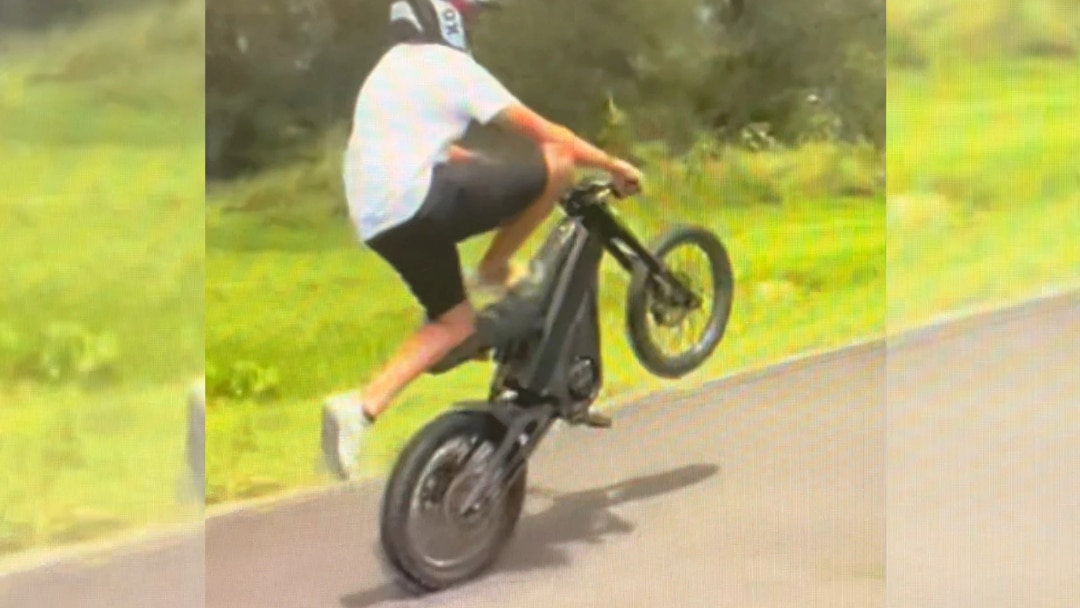
The report noted that it was unsafe for officers to pursue riders or step in front of moving objects to engage in compliance interactions. Large groups of underage riders were found to be riding illegal devices erratically in the park area, ignoring directions from officers and causing damage to the park.
Community Perceptions and Financial Considerations
A survey of 275 residents found that 62% felt safer during the trial, although there was no objective data to support this perception. Extending the trial to 10 parks across the Gold Coast would cost $400,000 annually, which the council deemed unlikely to represent good value for money or effectively address underlying issues.
The report recommended that the council support Queensland Police, which is responsible for enforcement, while the state government considers new legislation for e-mobility devices. The proposed state government reforms aim to address key safety and compliance issues, including clearer definitions of devices, enhanced police enforcement powers, and stronger penalties.
Under the proposed laws, under-16s would be banned from using e-mobility devices like e-bikes, with all riders required to hold at least a learner’s permit. However, earlier this month, a parliamentary inquiry committee recommended that individuals who cannot hold a license but can safely ride an e-mobility device should be exempt from the permit requirement.
Ongoing Discussions and Future Steps
The committee also suggested that a blanket 10km/h speed limit should apply only to high pedestrian zones and not shared paths, as initially proposed. Instead, a 15km/h speed limit could be applied on shared paths when riders are within 10 metres of a pedestrian.
The City of Gold Coast made submissions to the inquiry in April, emphasizing that high-speed e-motorbikes were the primary safety concern. In a statement, the Minister for Transport and Main Roads, Brent Mickelberg, said the state government was considering the committee’s recommendations.
As the debate continues, the focus remains on finding a balance between safety, regulation, and the needs of the community. The outcomes of these discussions will likely shape the future of e-bike use in the region.