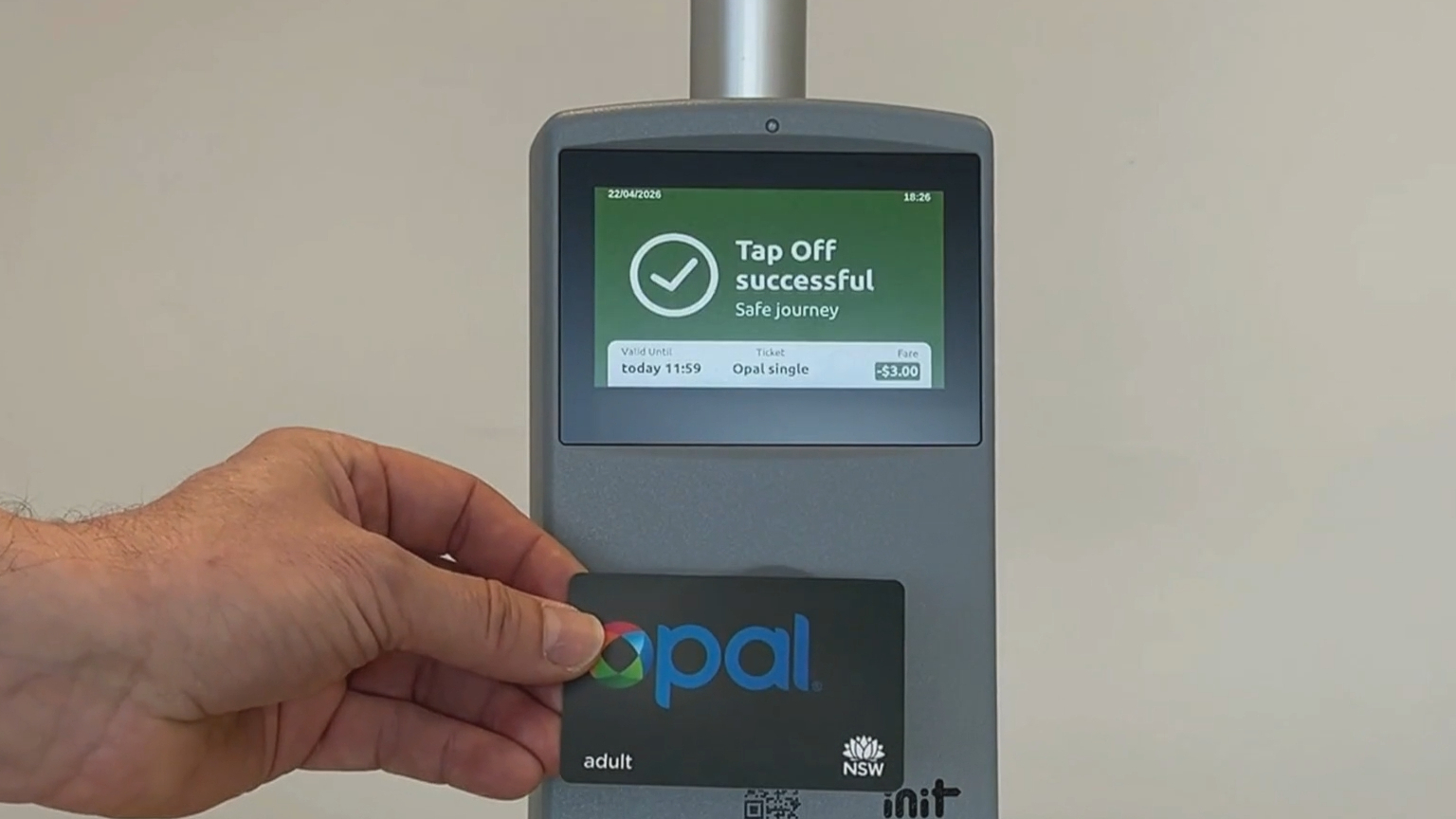
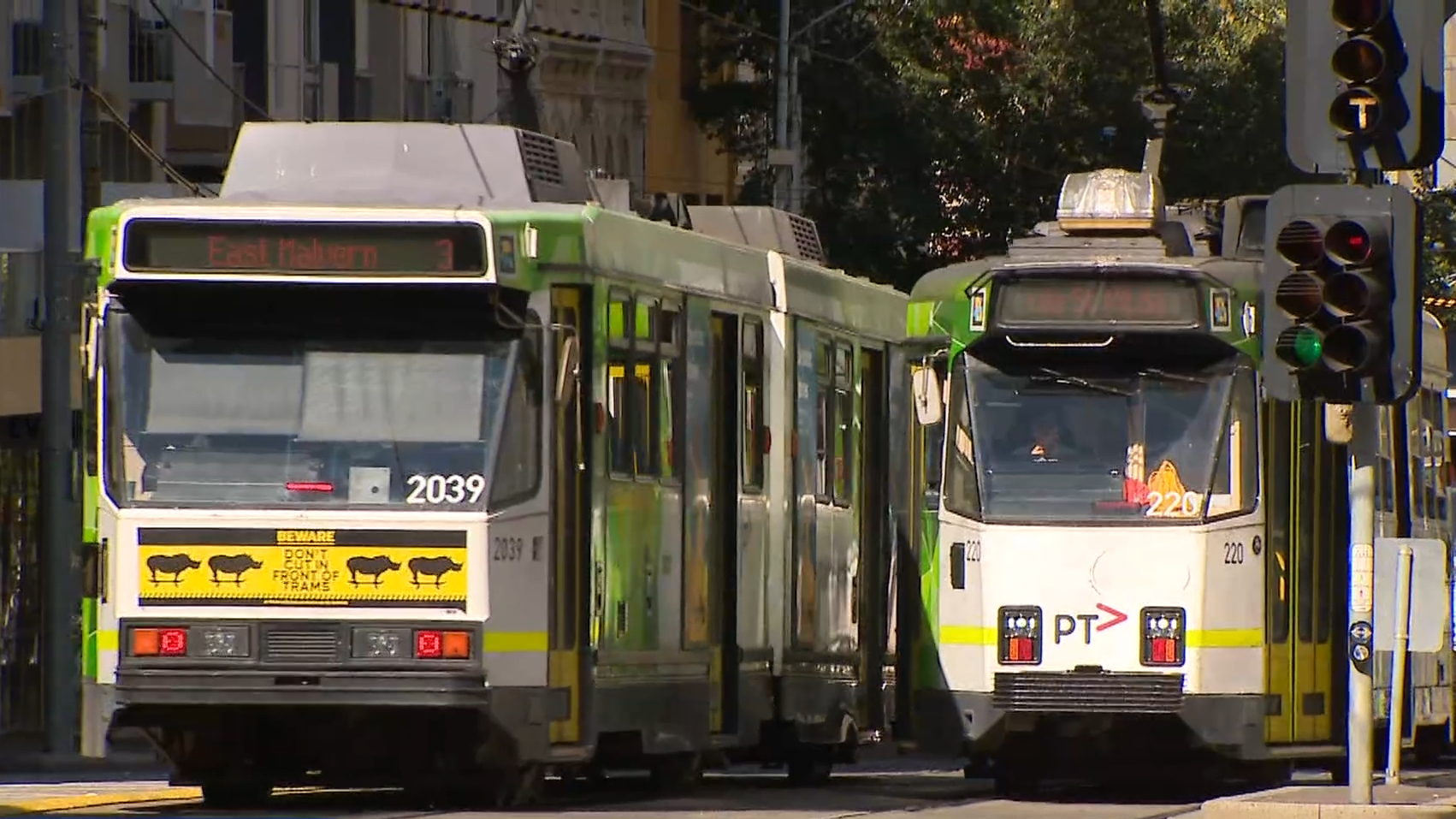
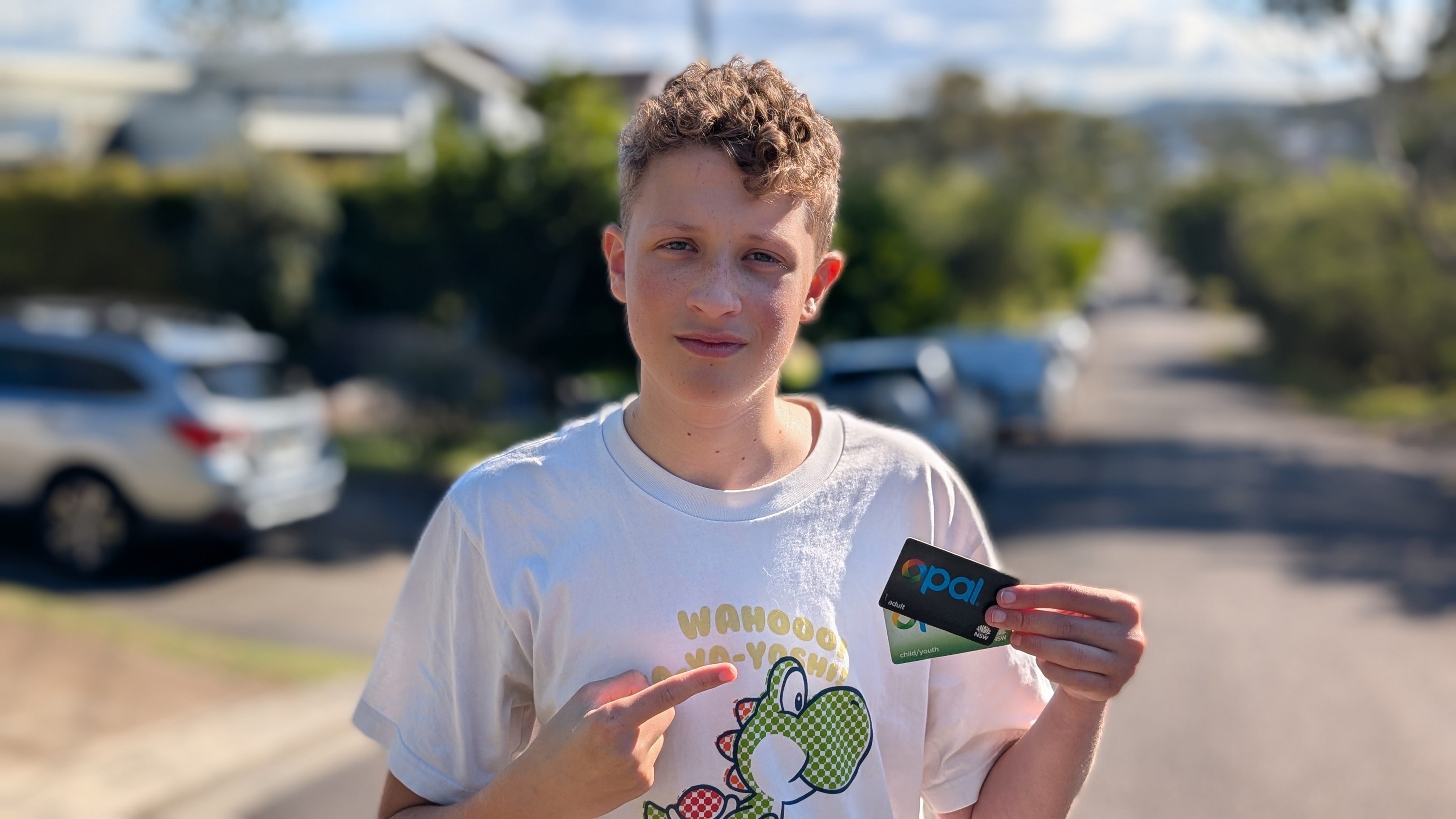
During a family vacation to Queensland, 16-year-old Oscar Perry had an eye-opening realization about the cost of public transport. As a high school student living on the NSW Central Coast, he regularly commutes by train to Sydney and around his local area. While enjoying the sunshine state, Perry noticed the 50c fare scheme that has been in place for some time and wondered why New South Wales couldn’t adopt a similar approach.
“I realized how cheap it was and how many more people use public transport there,” Perry told Nine.com.au. “Personally, I spend about $10 or more a week on public transport just going to and from work. If I take the train down to Sydney from Gosford, it’ll be an extra $10 in total, $5 each way.”
A concession Opal card is capped at $25 per week for students, while adult fares are even pricier, costing up to $19.30 per day or a weekly cap of $50. Under a 50c fare rule, you would need to take 50 return trips per week to spend $50. According to NSW Greens MP Kobi Shetty, who is leading a petition for 50c fares, this change could save full-time workers up to $2160 per year.
“Is it too expensive? It’s more expensive than Queensland. It’s more expensive than Paris or Berlin,” Perry said. “And it could be more affordable.”
The debate over free public transport in NSW intensified in mid-March when the state government declined to follow Victoria’s example by offering reduced fares. At the time, State Treasurer Daniel Mookhey stated the government wanted to avoid an expensive knee-jerk reaction to the conflict in the Middle East. Perry, however, doesn’t accept this reasoning.
He launched a petition on Change.org urging the Minns government to trial 50c fares on the Opal network. “Queensland has demonstrated what’s possible,” he said. “The Minns government already has a template. With uncertainty around the price of fuel at the moment and the cost of car ownership increasing significantly, this feels like an opportunity for the NSW government to be forward-looking and make public transport very cheap or free for residents or visitors of NSW.”
Queensland’s low fares come with a $300 million annual cost to the budget. The NSW government has made it clear it won’t accept a similar financial loss. However, Perry believes the money would “find its way back into the economy.”
The movement has gained considerable traction, with over 1000 petition signatures and hundreds of followers on Instagram. Despite this, Perry says the NSW government hasn’t shown much interest in his campaign. “I have already contacted the state government, and the response from John Graham felt very dismissive and scripted,” Perry explained. “I am hopeful that as this movement gains momentum and support, the government will be more engaged. There is a conversation to be had, and if there is enough support, the government cannot ignore it.”
Perry’s concerns about the cost-of-living crisis in NSW and beyond are not isolated. A 13-year-old Adelaide boy named Sebastian Muñoz-Najar has also created a petition calling on the government to urgently address the housing crisis with reforms. Muñoz-Najar did the math and realized, at the current rate of growth, the median home will cost $5.5 million by the time he is 40.
It seems Australia’s youth are increasingly worried about their future. “I am worried just considering recent trends with the rising house prices, rising cost of living, and the salaries not increasing by a huge amount,” Perry added. “Schemes like this can help residents lower costs and hopefully make NSW more affordable for everyone.”
Nine.com.au has contacted the NSW Minister for Transport John Graham for comment.

The movement highlights a growing desire among young Australians to see more affordable and accessible public transport options. With the cost of living continuing to rise, initiatives like the 50c fare trial could play a crucial role in making daily commuting more manageable for students, workers, and families alike.
As the debate continues, Perry remains optimistic that his campaign will gain more support and eventually influence policy decisions. He believes that by highlighting the success of similar schemes in other states and cities, the message can resonate with both the public and policymakers. The next step is to keep pushing for change and ensuring that the voices of young Australians are heard.