Understanding the Role of a Property Manager
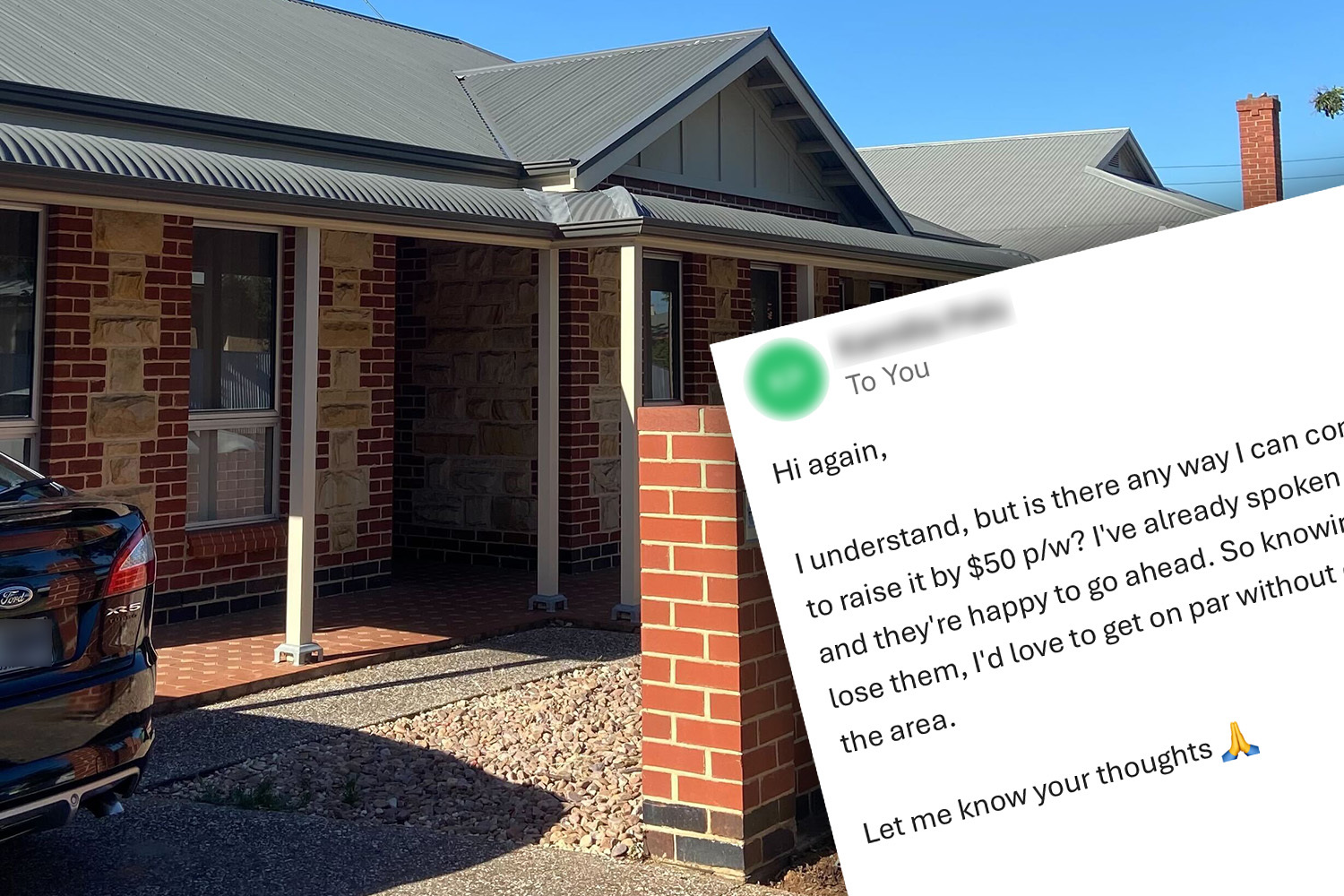
When you hire a property manager, you are entering into an agency relationship. This means that the property manager acts on your behalf, but only within the limits you set. The management agreement you signed when appointing her will outline exactly what she is authorised to do, including whether she can negotiate and accept rent changes without checking with you.
In this case, the property manager raised the rent without your permission, which may be a breach of her duty to you as her client. Even if the agreement allowed for such actions, you explicitly told her in writing that you did not want the rent raised, and she went ahead and did it. This could be a textbook example of an agent exceeding their actual authority.
Can You Fire Your Property Manager?
Almost certainly, you can end the agreement in this case. Your first step is to review the management agreement and look for:
- Termination clauses – most agreements allow termination with written notice (typically 30–90 days), and some allow immediate termination for serious breaches, which this is likely to be
- Grounds for breach – we expect that this will confirm that acting outside the scope of authority is a breach
- Fee obligations upon termination – check whether you are liable for any fees if you terminate, particularly where the breach was caused by their conduct. Typically, in this situation, you should be able to terminate without penalty
Can You Get Compensation for Your Losses?
You should be entitled to compensation if you can prove your losses were a direct result of her acting outside the scope of her authority. This can be complex. For example, it may be argued that the tenants ended the lease for reasons outside of the rent increase. In this case, you would not be entitled to any compensation. If you can prove this (with for example, evidence from the tenants themselves), you could claim for re-letting fees (advertising, the sign on bonus for a new tenant the agent will claim) and lost rent during any vacancy period.
What Should You Do If Your Real Estate Agency Won’t Cooperate?
If the agency disputes your complaint or refuses to compensate you, you have escalation options:
- Queensland’s Office of Fair Trading (OFT) – oversees real estate agents and property managers in the state. You can lodge a formal complaint online. The OFT can investigate conduct by licensed agents and, in serious cases, take disciplinary action.
- Queensland Civil and Administrative Tribunal (QCAT) – handles disputes about property management agreements and can award compensation for financial losses.
- The Real Estate Institute of Queensland (REIQ) – operates a professional standards framework for its members. If the agency is REIQ-affiliated, a complaint to the Institute may prompt a faster resolution.
What Are Your Next Steps?
Start by gathering your evidence; the email exchange you have is very helpful. Print or save every message or email, especially her admission that she had already discussed the increase with the tenants before getting your approval.
Following this, write to the agent, setting out the breach, the financial losses you suffered and your intention to terminate. You should also put her on notice that you intend to make a complaint if the matter is not resolved.
This information is general in nature and should not be regarded as specific legal advice. For legal advice on a specific situation, consult a qualified solicitor.
The contents of this column reflect or are inspired by real-life experiences. Some details may be adapted.