Call for Automated Green Lights for Cyclists Sparks Heated Debate in London
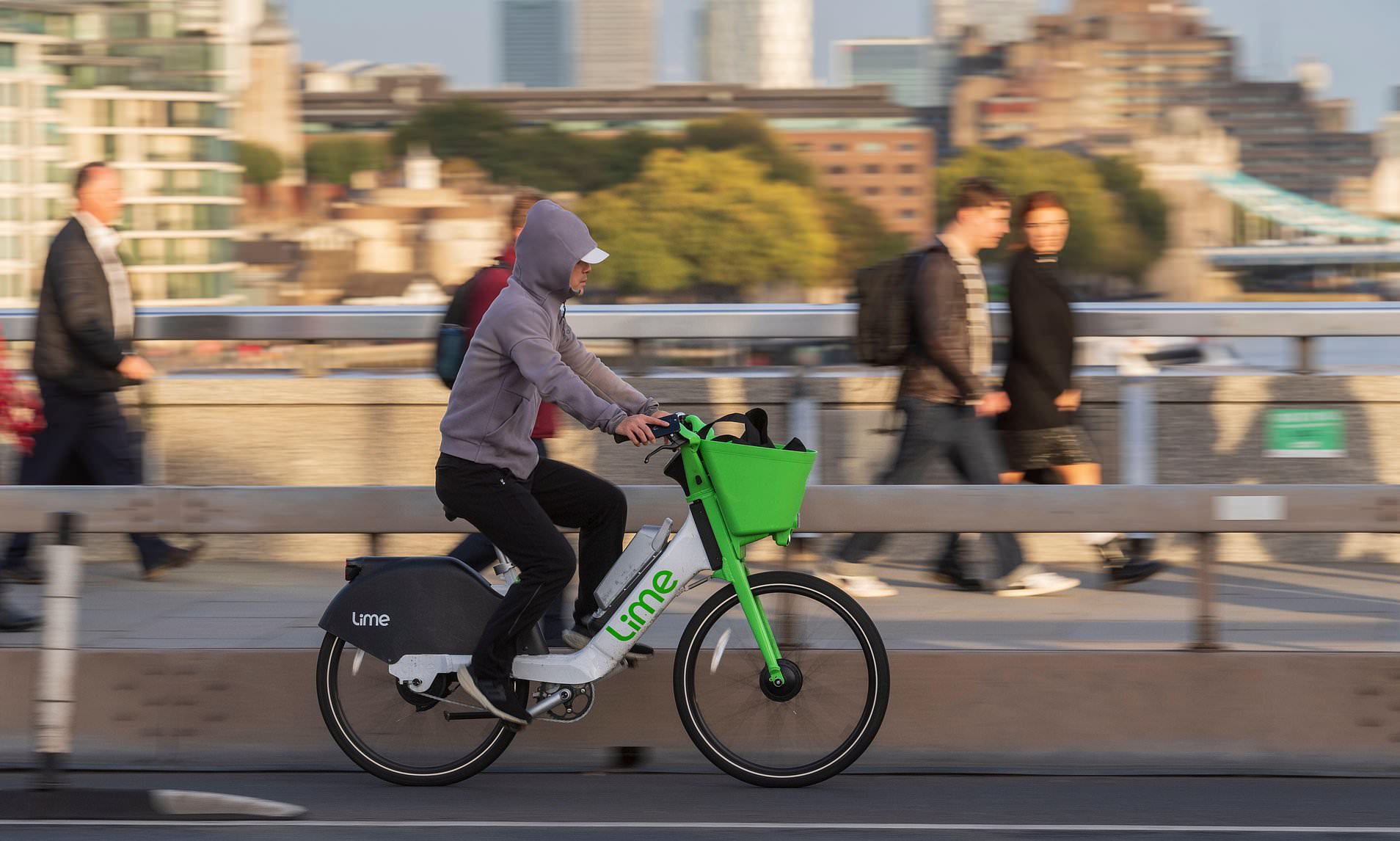
The age-old friction between motorists and cyclists on Britain’s bustling streets appears set to intensify, following a provocative proposal from a prominent bike hire company. Lime, a leading player in the shared micromobility sector, has suggested that traffic lights in London be automatically programmed to turn green for cyclists. The company argues this measure could significantly curb the prevalent issue of riders disregarding red signals, a practice that fuels much of the existing animosity.
Hal Stevenson, Policy Director for Lime, articulated the company’s stance, asserting that implementing such a system in the capital could foster better cyclist behaviour and, consequently, improve road safety. This suggestion comes in the wake of Transport for London’s (TfL) recently unveiled plans to grant buses priority at all 3,500 traffic lights across London by 2030. While Stevenson lauded this initiative, he advocated for its extension to encompass bicycle traffic.
“Cyclists shouldn’t be left on red,” Stevenson wrote in an article published on the news website MyLondon. He highlighted the growing prominence of cycling in the city, noting that it now accounts for up to one in five trips in central London, with cycle traffic at peak times even surpassing that of cars. Despite this significant shift in urban mobility, Stevenson pointed out that current traffic signal timings remain predominantly calibrated for the speeds of motor vehicles. This, he contended, leads to frequent and disruptive stops for cyclists, resulting in less efficient and smoother journeys.
Stevenson further elaborated on the progress made in expanding London’s cycling infrastructure. He noted that TfL has successfully extended the city’s dedicated cycling network from approximately 56 miles in 2016 to a substantial 267 miles by the end of last year. “Rethinking how traffic lights are timed could be a natural next step in building on that success,” he argued. He drew parallels with other leading cycling cities, such as Copenhagen and Amsterdam, which have implemented innovative solutions.
Specifically, Stevenson pointed to the success of “green wave” technology. This system is designed to reward cyclists travelling at a safe and consistent speed by providing a sequence of green lights. According to Stevenson, this technology has demonstrably improved both safety and rider behaviour, while simultaneously reducing journey times at a relatively low cost. He believes that adopting similar principles in London could also serve as an effective tool in addressing the problem of red-light running.
However, the proposal has been met with strong opposition from various quarters. Steve McNamara, General Secretary of the Licensed Taxi Drivers Association, dismissed the idea as “farcical.” He argued that London’s current traffic conditions, characterized by extreme congestion and historically slow vehicle speeds, make such a system impractical and potentially dangerous.
McNamara raised concerns that companies like Lime, with their time-based pricing models, inadvertently incentivise users to take “dangerous risks,” including the disregard of red lights, in an effort to complete their journeys faster and thus incur lower costs. He also expressed skepticism about the motivations behind the push for cycling infrastructure, alluding to what he described as the “white, middle-class cycling lobby” whose primary objective, in his view, is the complete removal of vehicular traffic from the roads.
Adding weight to the argument about London’s traffic woes, a recent report by the location technology firm TomTom identified the capital as the world’s slowest capital city to drive in last year. The analysis revealed that, on average, it took a staggering three minutes and 38 seconds to travel just 0.6 miles in central London. This sluggish pace was, in part, attributed to the widespread implementation of 20mph speed limits across the city. The debate over traffic signal priority for cyclists is thus set against a backdrop of already significant challenges in managing urban traffic flow.