A Personal Trainer’s Fight Against a £600 Fine for Fly-Tipping
A personal trainer in west London is fighting a £600 fine that he claims was unfairly issued by Ealing Council. Robb McGeary, 43, says he was left “fuming” after being accused of fly-tipping an envelope that he believes was littered by homeless people who rummaged through the bins outside his apartment.
McGeary thought he was doing the right thing when he threw an envelope into the bin outside his flat in Ealing. However, he was shocked when he received a letter from the council stating he was under investigation for fly-tipping after an incident on January 5.
Council workers discovered the envelope addressed to McGeary on the street near his flat during a clean-up job. The area is known as a fly-tipping hot spot, and McGeary claims that homeless people and drug addicts often climb into the communal bins at night to search for scraps.
Old mattresses, furniture, and drug paraphernalia had been dumped for weeks before the bins were emptied across the street. McGeary said the waste had been left there for “well over a week” before the council sent a clean-up crew.
He believes that’s when binmen must have found the envelope among the debris before he was issued the fine.
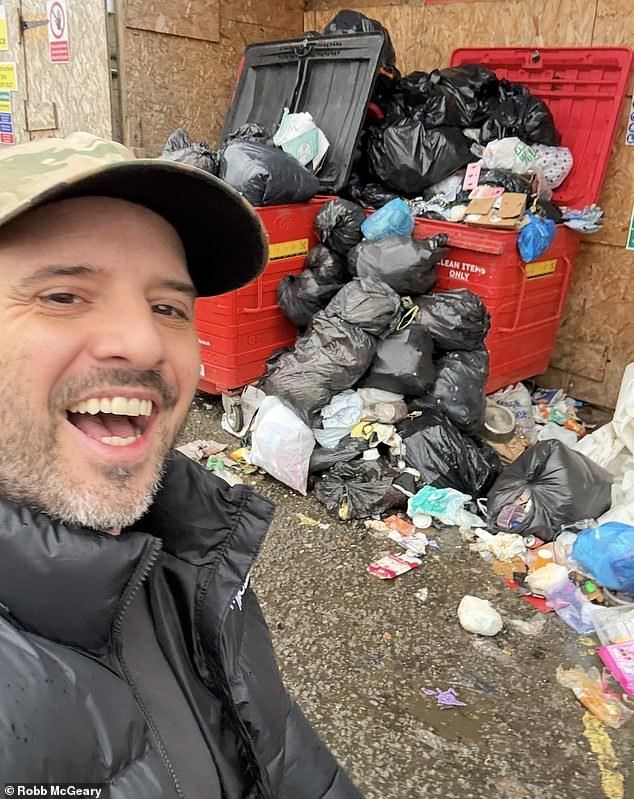
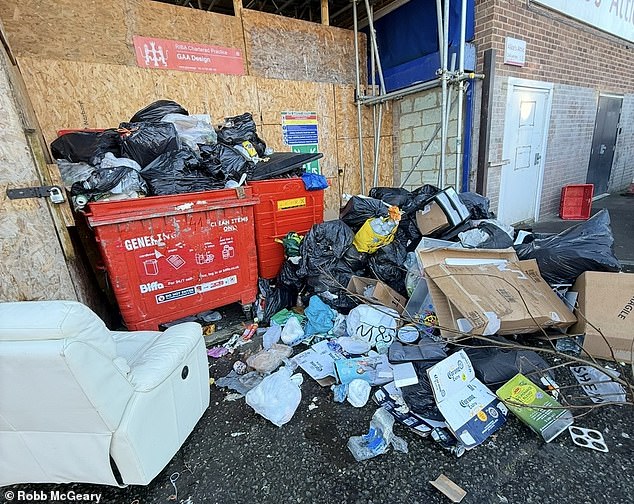
McGeary lives in Ealing with his partner, her six-year-old autistic daughter, and their five-month-old twin girls. He told the Daily Mail that he has witnessed “homeless people out of their minds taking drugs, climbing into bins, and actively tearing bin bags open” in the middle of the night where he lives on Witham Road.
He added: “The entire case against me comes down to a single item found in a bin bag in my flat’s communal bins with my name and address on it. No CCTV. No witnesses. They’ve sent me a fixed penalty notice for £600.”
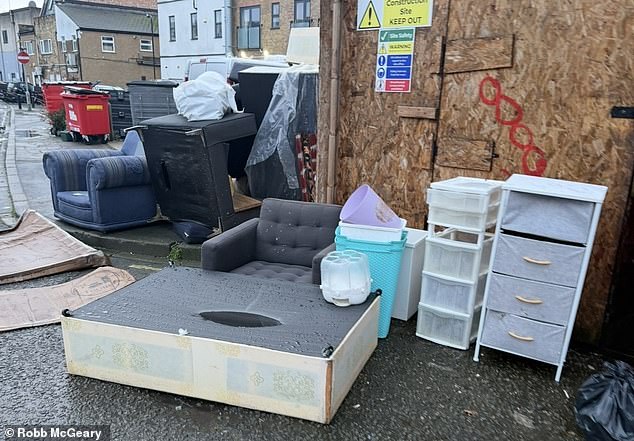

McGeary said he lives in an HMO building with outdoor, unlocked communal bins that are constantly overflowing. At the start of the year, the rubbish wasn’t cleared for well over a month, which he documented as counter-evidence.
He claimed that the area is a well-known spot for the homeless and drug users, with people rummaging through rubbish or dumping extra waste nearby. Directly next to the bins is a massive fly-tipping spot that’s on the council’s own name and shame page.
“I did exactly what you’re supposed to do, put my rubbish in the correct bins. Not on the floor or in the street. What happened after that is completely out of my hands,” McGeary said.
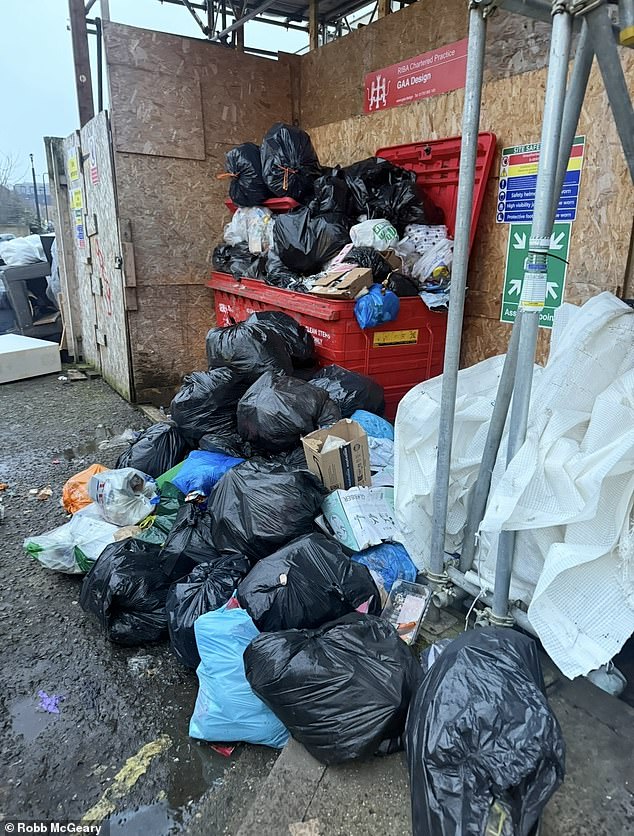
One night, the entire bins were emptied across the street, and McGeary took many photos. This wasn’t cleared up for well over a week, and the day before the area was cleared, he took another photo.
“At 7am the next morning they opened a bag, found my address [on the envelope] – which coincidentally just so happened to be at the exact point [location] they tore the bag – and classed that as evidence of fly-tipping contrary to section 33 of the Environmental Protection Act 1990.”
McGeary was then issued a £400 fine, which he appealed using the photos as evidence that he was not responsible for the incident. However, the local authority refused his claim, increased his fine to £600, and threatened to take him to court.
McGeary said it’s “frustrating” that despite doing “exactly what you’re supposed to,” Ealing Council has treated him like he is “guilty until proven innocent.” He has refused to pay the fine and accused Ealing Council of a “complete lack of common sense.”
“It’s worrying how easily this could happen to anyone. I will not be paying and am fully prepared to face them [the council] in court as I feel I have more counter evidence than they have evidence,” he said.
“It genuinely feels like I’m ‘guilty until proven innocent.’ Just because something with my name on it ended up in a bag, I’m being treated as if I personally dumped it on the street. What’s worse is the complete lack of common sense. Anyone could have taken that item out of a bin, moved it, or added it to another bag. There’s no attempt to consider that, just a straight jump to issuing a penalty and a trial.”
McGeary said it makes him feel like he’s being put in the same bracket as people doing crimes on the streets. “I’m being punished for their [the council’s] failure to do what they’re meant to do. It’s like they’ve said ‘let’s get money out of people by sending them fines.’”
“It’s stressful, frustrating, and honestly a bit worrying how easily this could happen to anyone. If all it takes is your name on a piece of rubbish, then anyone using shared bins is at risk.”
McGeary’s partner is a full-time carer for her daughter, and he is the only one working. He has had to work less to look after her and their twins. “I don’t have the money [to pay the fine] and I shouldn’t have to anyway.”
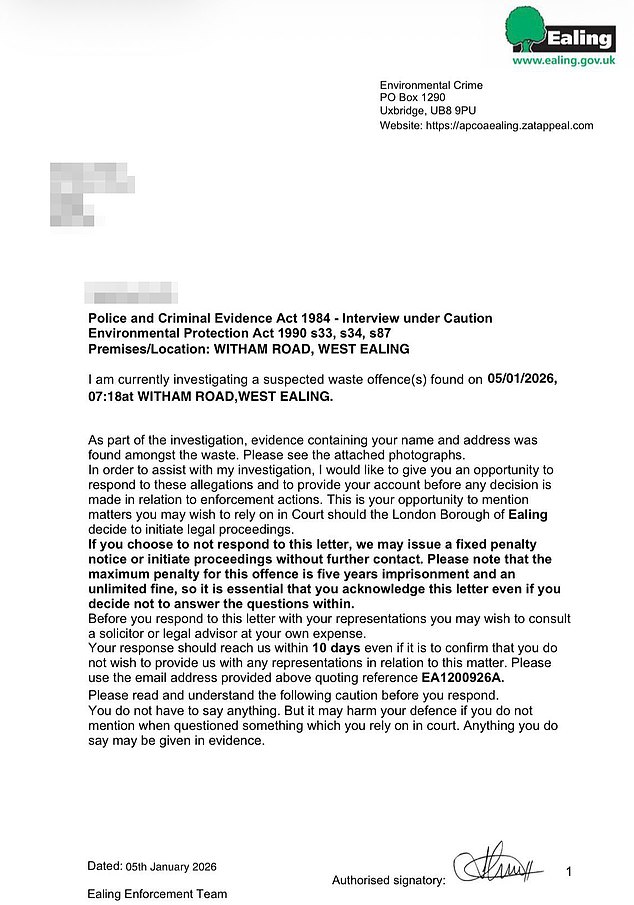
The letter from Ealing Council, seen by the Daily Mail and dated January 5, states the local authority is investigating a “suspected waste offence” and that “evidence containing your name and address was found amongst the waste.”
The council officer said: “In order to assist with my investigation, I would like to give you an opportunity to respond to these allegations and provide your account before any decision is made in relation to enforcement actions. This is your opportunity to mention matters you may wish to rely on in court should the London Borough of Ealing decide to initiate legal proceedings.”
The fixed penalty notice, issued later on January 21, states: “Evidence has been obtained with your name and address as committing the offence of lower fly-tipping contrary to S33 of the Environmental Protection [Act].”
An Ealing Council spokesperson said: “We issue fixed penalty notices either because we witnessed the offence or our investigations lead us to conclude an individual has committed an offence. Before a fixed penalty notice is issued, we write to the alleged fly-tipper asking if they can explain why their waste might have been found fly-tipped. Fly-tipping is a significant issue for residents and we are cracking down on this criminal activity. Fly-tipping is a drain on council funds which is better spent on essential services for residents. It has a direct impact on the environment and our residents’ quality of life. We launched an awareness campaign: ‘This is our home, not a tip’ which explains to our communities what fly-tipping is, its impact and how everyone can help by disposing of waste correctly.”